Best Rain Gear for Spring Fishing in Kansas
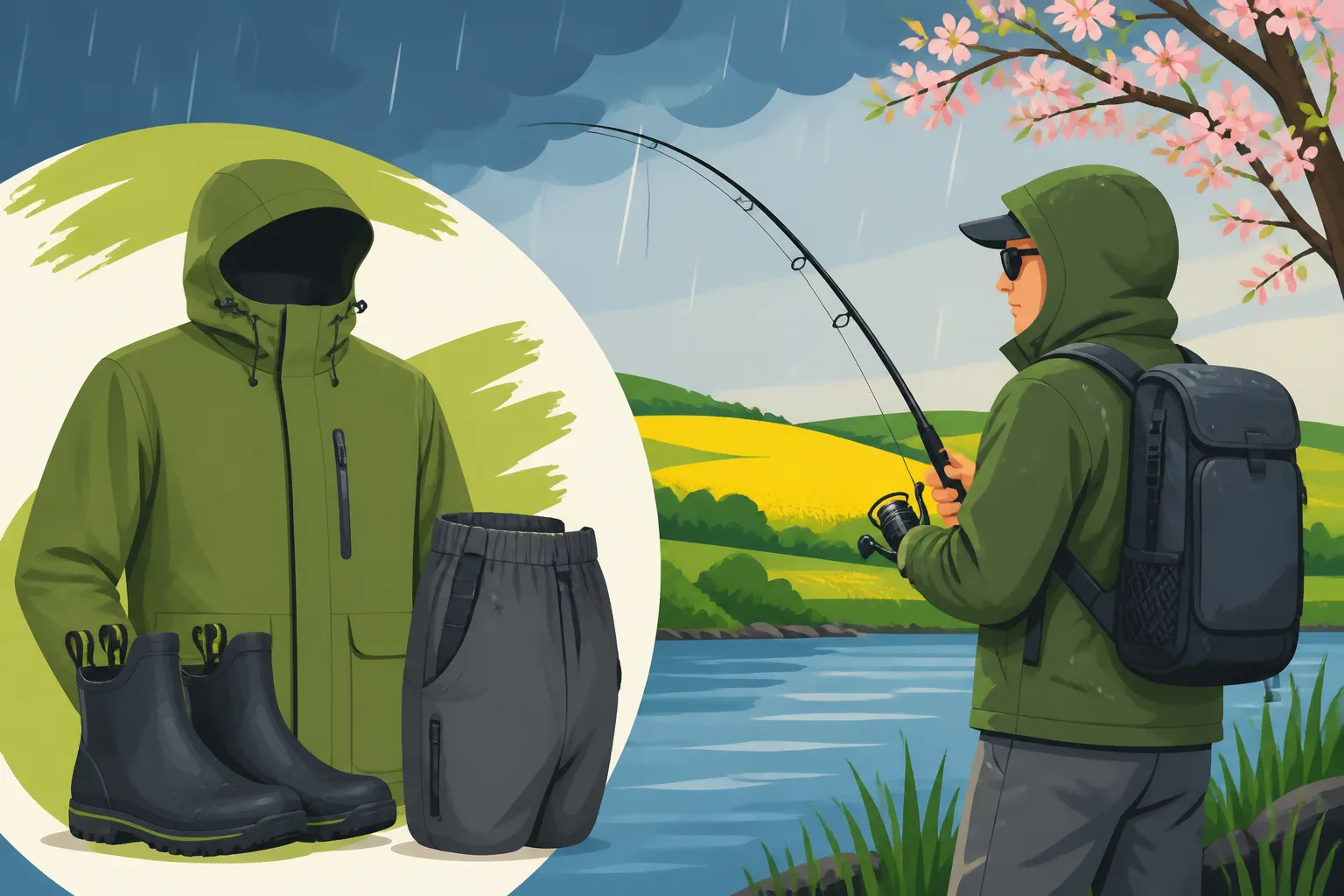
There's nothing quite like the promise of spring fishing in Kansas – the ice is gone, the fish are getting active, and the world feels new again. But let's be real, the Kansas spring weather can turn on a dime, going from sunshine to a downpour, and back to sunshine, all within an hour. Getting caught in a cold spring rain without the right gear can quickly turn a fantastic day on the water into a miserable, shivering trek back to the truck. This guide is here to help you navigate the unpredictable spring weather by choosing the best rain gear to keep you dry, comfortable, and focused on landing that next big catch.
Understanding Kansas Spring Weather and Fishing Demands
Kansas springs are a beautiful but notoriously fickle season for anglers. One moment, you're enjoying calm waters and warming sunshine, and the next, a dark cloud rolls in, unleashing a cold, wind-driven rain that can chill you to the bone. This isn't just a minor inconvenience; getting wet and cold can be genuinely dangerous, especially if you're out on the water in a boat or kayak. Hypothermia isn't just a winter threat; it can strike in surprisingly mild temperatures if you're soaked and exposed to wind.
The challenge isn't just staying dry from the rain itself, but also managing your body temperature when the weather fluctuates wildly. You might be sweating during an intense fight with a big catfish, only to have a sudden temperature drop and rain make that sweat feel like ice against your skin. This makes the choice of rain gear crucial – it needs to be more than just a simple waterproof layer; it needs to be a part of a strategic clothing system that allows you to adapt to whatever the Kansas skies throw your way. This is especially true if you plan to be out during the prime Kansas Spring Fishing Guide window.
The Unpredictable Nature of Kansas Spring
Imagine this: You wake up to a clear, crisp April morning, the kind where you can almost smell the fish biting. You check the forecast, and it looks promising, maybe a slight chance of showers later in the afternoon, nothing major. You head out to Milford Lake, full of optimism, casting for walleye near a rocky point. By noon, the wind starts to pick up, the sky darkens to an ominous gray, and within minutes, a horizontal rain is pelting you. This isn't just a light sprinkle; it's a deluge, accompanied by a sudden drop in temperature.
This scenario isn't a rarity in Kansas; it's practically the norm. Spring storms can materialize with startling speed, bringing heavy rain, hail, and often a significant temperature plunge. What started as a pleasant 60-degree morning can quickly become a chilling 40-degree squall. You need gear that can withstand sustained downpours, block fierce winds, and still allow you to move freely to cast, net a fish, or adjust your boat without feeling like you're wearing a plastic bag.
The unpredictable nature also applies to how long these weather events last. Sometimes it's a quick shower, other times it's an all-day drizzle. You don't want to pack up and go home just because the weather changed. Good rain gear extends your fishing day, allowing you to ride out the squalls and enjoy those moments when the fish really turn on right after a storm front passes. Many experienced anglers know that some of the best fishing can happen immediately after the rain breaks, so being prepared is key to taking advantage of those windows. Understanding the broader Kansas Fishing Seasons Guide will help you anticipate these changes.
Why Standard Rain Gear Falls Short for Anglers
You might think, "I've got a rain jacket from my hiking days, that should be good enough, right?" Not always. While a basic rain jacket will keep you dry in a light drizzle, dedicated fishing rain gear is designed with the unique demands of angling in mind. Think about it: when you're fishing, you're constantly moving, casting, reeling, bending over to net a fish, and often sitting for extended periods in damp conditions. A generic raincoat might keep the rain off, but it often lacks the features necessary for true comfort and performance on the water.
One major issue with standard rain gear is durability. Fishing involves hooks, scales, slime, and often brushing against rough boat surfaces or shoreline vegetation. A flimsy rain jacket can quickly develop tears or punctures, rendering its waterproofing useless. Furthermore, standard gear often lacks reinforced areas in high-wear spots like the seat and knees, which are crucial for anglers who spend time sitting in a boat or kneeling on the bank. These details might seem small, but they make a huge difference over a full season of fishing.
Another common pitfall is the lack of angler-specific features. Does your everyday rain jacket have D-rings for attaching tools, strategically placed pockets that remain accessible even when you're sitting, or a hood designed to stay on in high winds while still allowing for peripheral vision? Probably not. Fishing-specific rain gear often includes these thoughtful additions, making your day on the water much more efficient and enjoyable. Without proper ventilation, you can also get soaked from your own sweat, which is just as bad as rain for comfort and warmth.
Key Features of High-Performance Fishing Rain Gear
When you're investing in rain gear for Kansas fishing, you're not just buying a waterproof shell; you're buying comfort, safety, and extended time on the water. High-performance fishing rain gear goes beyond basic protection, incorporating advanced materials and designs that cater specifically to the needs of anglers. It’s about being prepared for everything from a light mist to a full-blown thunderstorm, ensuring you stay dry from the outside while managing moisture from within.
Considering the diverse conditions you might encounter, from a blustery day on Cheney Reservoir to a damp morning targeting crappie on a local pond, your gear needs to be versatile. This means looking beyond just the "waterproof" label and diving into the specifics of fabric technology, construction methods, and angler-centric features. It’s an investment that pays dividends in comfort and peace of mind, allowing you to focus on the fishing, not the weather.
Waterproofing Ratings and Materials
The term "waterproof" can be a bit misleading because not all waterproof materials are created equal. True high-performance fishing rain gear utilizes advanced membrane technologies, often made of expanded polytetrafluoroethylene (ePTFE) like Gore-Tex, or proprietary technologies from brands like Simms or Frogg Toggs. These membranes have microscopic pores that are too small for water droplets to pass through, but large enough for water vapor (sweat) to escape, offering both waterproofing and breathability.
Waterproofing is typically measured in millimeters (mm) of water column pressure the fabric can withstand before leaking. For serious angling in Kansas, especially during spring storms, you'll want to look for ratings of at least 10,000mm, with 20,000mm or higher being ideal for prolonged heavy rain and extreme conditions. Don't forget about the DWR (Durable Water Repellent) finish, which causes water to bead up and roll off the fabric's surface, preventing saturation. Over time, this finish can wear off, but it can be reapplied to maintain performance, especially if you're frequently out in the elements.
Beyond the membrane, the construction is critical. Seams are the weakest point for water intrusion, so look for "fully taped" or "fully sealed" seams. This means all the stitching lines are covered with a waterproof tape on the inside, preventing water from seeping through needle holes. Zippers are another common culprit; high-quality fishing rain gear will feature water-resistant or waterproof zippers, often with storm flaps to provide an extra barrier against driving rain and wind. Without these meticulous construction details, even the most advanced waterproof fabric can fail you.
Breathability and Ventilation for Active Anglers
What's almost as bad as getting soaked by rain? Getting soaked from your own sweat! This is where breathability comes in. When you're actively fishing – casting, walking the bank, battling a fish – your body generates heat and sweat. If your rain gear isn't breathable, that moisture gets trapped inside, leaving you feeling clammy and cold as soon as you stop moving. This internal moisture can be just as uncomfortable and potentially dangerous as external rain.
Breathability is often measured in Grams per Square Meter (g/m²/24hr), indicating how much water vapor can pass through the fabric in a 24-hour period. A higher number means more breathability. For active spring fishing, aim for a breathability rating of at least 10,000 g/m², with 15,000 g/m² or more being excellent. This ensures that even when you're working hard, your internal microclimate remains comfortable. Think about a day fighting the current on the Kansas River or navigating a tricky shoreline; you'll appreciate gear that breathes.
Beyond the fabric itself, good ventilation design is key. Pit zips (zippers under the arms), adjustable cuffs, and breathable linings all contribute to allowing air to circulate and moisture to escape. Some jackets feature mesh-lined pockets that can double as vents when left open. When considering rain gear, especially jackets, ensure that the design actively aids in moisture management, not just keeping external water out. This synergy between waterproofing and breathability is what truly sets high-performance fishing rain gear apart from a basic poncho.
Durability and Angler-Specific Design
Fishing is tough on gear. Hooks, scales, abrasive boat surfaces, and dense shoreline brush all take their toll. Your rain gear needs to be built to withstand this abuse without tearing or leaking. Look for fabrics that balance strength with flexibility, often achieved through ripstop weaves or multi-layer constructions. Reinforced knees and seat areas are non-negotiable for pants, especially if you spend time kneeling in a boat or on the bank. These high-wear zones are often made with heavier denier fabrics to resist abrasion and punctures.
Beyond general durability, angler-specific design elements greatly enhance functionality. For instance, a well-designed hood is critical. It should offer full head coverage and protection from driving rain while allowing for clear peripheral vision – you don't want your hood blocking your view of a subtle bite or an approaching hazard. Adjustable cinch cords around the face and back of the head help tailor the fit, keeping the hood securely in place even in strong winds, like those you might encounter on a windy day at Wilson Lake.
Pockets are another major consideration. They should be strategically placed, waterproof, and easily accessible even when you're wearing a life vest or seated in a boat. Internal pockets can be great for storing electronics or licenses, while external chest pockets are ideal for quick access to lures, pliers, or a camera. D-rings or tool attachment points are invaluable for keeping essential items like line clippers or a net tether secure and within reach. When browsing options at places like Bass Pro Shops or online through Amazon, pay close attention to these thoughtful details.
Choosing the Right Rain Gear System for Your Fishing Style
Selecting the perfect rain gear isn't a one-size-fits-all decision; it heavily depends on your preferred fishing style, the specific conditions you anticipate, and your personal comfort preferences. Whether you're a bank angler, a kayak enthusiast, or a bass boat warrior, your needs will vary. Thinking of your rain gear as a "system" rather than just a single piece will help you build a comprehensive defense against the elements.
This system approach means considering how different pieces work together: your outer rain shell, your insulating layers underneath, and even your accessories. The goal is maximum versatility, allowing you to adapt to a wide range of spring conditions without sacrificing comfort or mobility. It's about being prepared, whether you're facing a quick spring shower or an all-day deluge while trying to land that trophy Kansas State Record Walleye.
Full Rain Suits vs. Separate Jacket and Pants
One of the first decisions you'll face is whether to go with a full rain suit (bibs and a jacket) or separate rain jacket and pants. Both have their merits, and the best choice often comes down to personal preference and typical fishing scenarios.
-
Full Rain Suits (Bibs and Jacket): Bib-style pants offer superior coverage, extending high up your torso, almost like waders. This design virtually eliminates the chance of water seeping in where your jacket and pants meet, a common failure point in heavy rain, especially if you're bending, sitting, or moving around a lot in a boat. They're fantastic for boat anglers, kayak fishermen, or anyone who expects to be exposed to consistent heavy rain or spray. The extra material also provides an additional layer of warmth on colder spring days. Brands like Simms or Grundéns are very popular for their durable bibs.
The downside can be perceived bulkiness or the effort of putting them on and taking them off, especially if the weather is frequently changing. However, many modern bib designs are surprisingly lightweight and articulated, offering excellent freedom of movement. For serious anglers who brave all conditions, a good set of rain bibs is often considered an essential piece of their Best Overall Gear Setup for a Kansas Beginner Angler.
-
Separate Jacket and Pants: This option offers more versatility and often feels less restrictive. If you primarily fish on days with lighter, intermittent rain, or if you prefer to layer up and shed gear easily, separate pieces might be ideal. You might only need the jacket for a quick shower, or just the pants if you're walking through wet grass. This modularity can be very convenient.
The key here is ensuring good overlap between the jacket and pants to prevent water intrusion. Look for jackets with a longer cut in the back and pants with a higher rise. Adjustable waistbands and cuffs on both pieces are important for sealing out water. For anglers who do a lot of walking or bank fishing, the flexibility of separate pieces can be more comfortable, and they can be easier to pack and carry. Just be mindful of how they integrate, particularly if you're going to be sitting on a wet seat or in a kayak, where water can pool. For kayak anglers, specific considerations are detailed in Best Kayak Fishing Gear for Kansas Lakes.
Layering Strategies for Variable Conditions
Spring in Kansas is the epitome of variable conditions, making layering an absolute must. Your rain gear is your outermost protective shell, but what you wear underneath is equally important for managing warmth and moisture.
-
Base Layer: Start with a moisture-wicking base layer. This is crucial because it pulls sweat away from your skin, preventing that clammy, cold feeling. Avoid cotton next to your skin, as it absorbs moisture and dries slowly, chilling you down. Synthetic fabrics (polyester, polypropylene) or merino wool are excellent choices. They keep you warm even when damp and dry quickly. On a mild spring morning, a light long-sleeve base layer might be all you need under your mid-layer.
-
Mid-Layer (Insulation): This is your warmth layer. On colder spring days, a fleece jacket, a synthetic puffy jacket, or even a lightweight wool sweater will provide crucial insulation. The thickness of your mid-layer should be adjustable based on the predicted temperature and your activity level. You might carry a heavier mid-layer for early morning and shed it as the day warms up, or keep it on if a cold front pushes through. The goal is to trap warm air close to your body without adding excessive bulk that restricts movement for casting or paddling.
-
Outer Layer (Rain Gear): Your waterproof and breathable rain jacket and pants are the final barrier against wind and rain. The beauty of a good layering system is that your rain gear doesn't need to provide all the warmth; its primary job is to keep you dry. By adjusting your base and mid-layers, you can customize your warmth level without having to change your waterproof shell. This approach is highly effective for dealing with the sudden shifts in Weather Patterns and Kansas Fishing Success, especially when you're fishing How to Fish After a Cold Front in Kansas.
Essential Accessories: Hats, Gloves, and Footwear
Rain gear isn't complete without the right accessories. These often-overlooked items can make or break your comfort on a wet, windy day.
-
Headwear: A good waterproof hat with a brim is invaluable. It keeps rain off your face and out of your eyes, improving visibility. Even if your rain jacket has a hood, a brimmed hat worn underneath can prevent water from running down your face and neck. Some anglers prefer a waterproof baseball cap, while others opt for a wide-brimmed waterproof hat for maximum coverage. Keeping your head warm and dry helps regulate your overall body temperature.
-
Gloves: Cold, wet hands are miserable and make knot tying, baiting, and handling fish incredibly difficult. Waterproof gloves, ideally with good dexterity, are a must for colder spring days. Look for options that offer warmth without being overly bulky. Neoprene gloves or those with waterproof membranes are excellent choices. For slightly warmer but still wet conditions, thin waterproof liners worn under regular fishing gloves can also work.
-
Footwear: Your feet need to stay dry and warm. Waterproof boots are essential. Depending on your fishing style, this could mean anything from ankle-high waterproof hiking boots for bank fishing to knee-high rubber boots or even Best Waders for Cold Kansas Water for wading or heavy boat fishing. Ensure your socks are also moisture-wicking and insulating (again, wool or synthetics, no cotton!) to prevent blisters and cold feet. Even the best rain suit won't save your day if your feet are soaking wet. For many anglers, the best footwear decision for spring is a pair of sturdy, waterproof rubber boots.
Care and Maintenance of Your Fishing Rain Gear
Investing in high-quality rain gear is only half the battle; proper care and maintenance are crucial to ensure its longevity and continued performance. Neglecting your gear can quickly lead to diminished waterproofing, reduced breathability, and premature wear, making your expensive purchase less effective. Just like you'd maintain your reels or boat, your rain gear deserves attention.
Taking a few simple steps after each trip can significantly extend the life of your rain gear, ensuring it's ready for the next unpredictable Kansas spring storm. This not only protects your investment but also guarantees you stay dry and comfortable for many fishing seasons to come. You'll want your gear to last, whether you're buying it from a local store like a Best Tackle Shops in Wichita or ordering online.
Cleaning and Re-Waterproofing Techniques
After a muddy day on the river or a particularly slimy catfish outing, your rain gear will need a good cleaning. Don't just toss it in the washing machine with your regular detergent! Standard detergents can clog the microscopic pores of breathable membranes and strip away the DWR (Durable Water Repellent) finish, severely impacting performance.
-
Cleaning: Always check the care label on your specific gear, but generally, use a technical cleaner designed for waterproof breathable fabrics. These cleaners are formulated to remove dirt, oils, and residues without damaging the fabric or the DWR. Wash your gear separately on a gentle cycle with cold water, or hand wash if recommended. After washing, ensure all soap residue is thoroughly rinsed out.
-
Reactivating DWR: Often, after cleaning, you can reactivate the DWR finish by tumble drying the garment on a low heat setting for about 20 minutes (again, check your specific garment's instructions). The heat helps to redistribute and reactivate the existing DWR treatment.
-
Re-Waterproofing: If water stops beading up on your gear, or if you notice wet spots forming on the outer fabric (a phenomenon called "wetting out"), it's time to reapply the DWR. There are various spray-on or wash-in DWR treatments available from brands like Nikwax or Granger's. Follow the product instructions carefully. Spray-on treatments often allow for targeted application on high-wear areas, while wash-in treatments offer full coverage. Re-waterproofing ensures your gear sheds water effectively, allowing the breathable membrane to do its job more efficiently.
Proper Storage to Extend Lifespan
How you store your rain gear between fishing trips is just as important as how you clean it. Improper storage can lead to mildew, fabric degradation, and damage to waterproof coatings.
-
Ensure it's Dry: Before storing, always make sure your rain gear is completely dry, inside and out. Hanging it in a well-ventilated area, perhaps on a wide hanger, is usually sufficient. Never stuff damp gear into a bag or closet, as this is a prime breeding ground for mildew, which not only smells terrible but can also damage waterproof membranes and fabric coatings over time.
-
Avoid Extreme Temperatures: Store your rain gear in a cool, dry place, away from direct sunlight or extreme heat. High temperatures can degrade the waterproof membranes and glues used in seam taping. Likewise, prolonged exposure to direct sunlight can break down fabric fibers and DWR coatings. A closet or gear locker is usually ideal.
-
Hang or Loosely Fold: Avoid tightly compressing your rain gear for long periods, as this can create permanent creases and potentially damage the waterproof membrane or seam tape. Ideally, hang your jacket and bibs on a hanger. If hanging isn't feasible, fold them loosely. Avoid storing heavy items on top of your rain gear. By following these simple storage tips, your premium rain gear, whether sourced from a store like Best Tackle Shops in Kansas City or online, will be ready to protect you season after season, ensuring you can hit the water the moment those Best Time to Fish Before a Storm in Kansas windows open up.
Disclaimer
This article is for general informational purposes only and does not constitute professional advice. Laws, prices and regulations vary by location and change over time. Consult a qualified professional for guidance on your specific situation.