Best Bank Fishing Spots at Cheney Reservoir
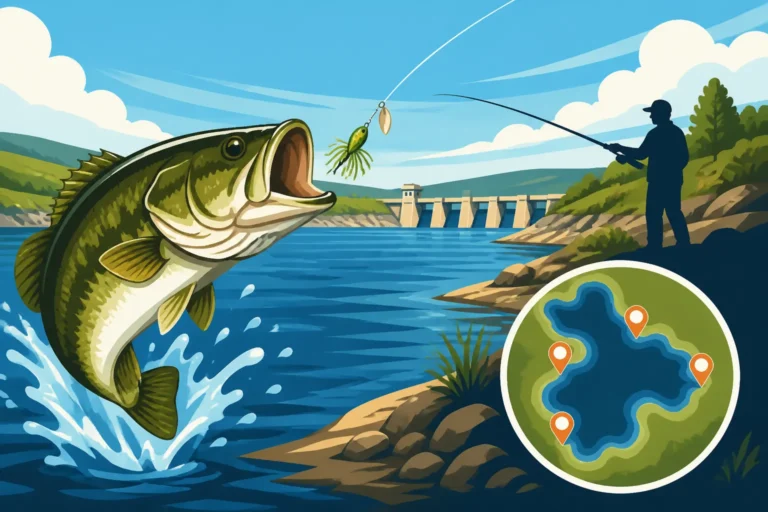
For many anglers, the thought of fishing a massive reservoir like Cheney can feel intimidating, especially if you're stuck on shore without a boat. It's easy to assume all the best spots are out in the middle, leaving bank anglers wondering where to even cast a line for a decent catch. But don't let the size fool you! Cheney Reservoir offers some fantastic opportunities for bank fishing if you know where to look. This guide is dedicated to helping you unlock those prime shoreline spots, revealing where the fish hold up and how to target them effectively from terra firma.
Understanding Cheney Reservoir for Bank Anglers
Cheney Reservoir, a jewel in south-central Kansas, is a vast body of water known for its impressive fishery. For bank anglers, understanding its unique characteristics is the first step to a successful outing. It's not just a big pond; it's a dynamic ecosystem with features that concentrate fish within casting distance of shore.
The Lay of the Land: Size and Structure
Cheney sprawls over approximately 9,500 acres, and at first glance, its sheer size can feel overwhelming for someone without a boat. You might think, "Where do I even begin?" But what makes Cheney great for bank fishing are its diverse underwater structures and shoreline features. The reservoir was formed by damming the North Fork Ninnescah River, which means there’s a remnant river channel winding through its depths, along with flooded timber, humps, and flats that attract baitfish and, consequently, game fish. These structures often extend close to shore, particularly around points, coves, and the dam itself, creating prime feeding lanes and ambush points for predatory species. The wind, a constant companion in Kansas, also plays a huge role, pushing baitfish and warm surface water against certain banks, making them hotspots.
Key Fish Species to Target from Shore
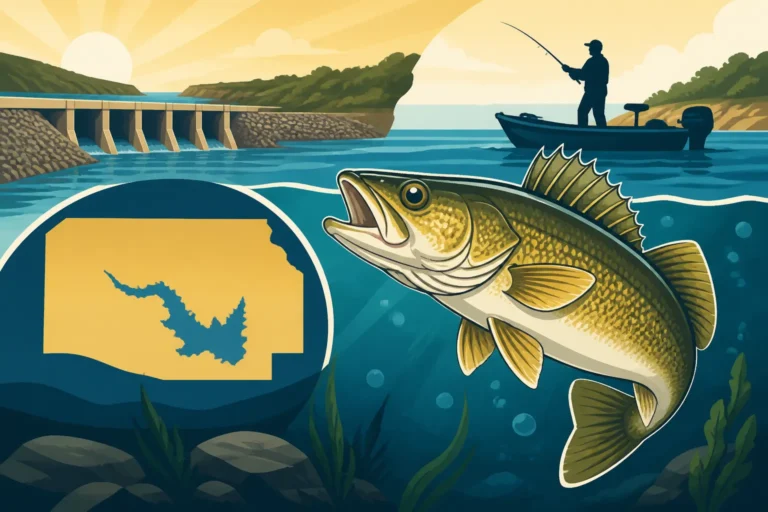
Cheney Reservoir is a multi-species angler's dream, and many of these species are quite accessible from the bank. The primary targets that draw anglers to Cheney include Walleye, Wiper (hybrid striped bass), Crappie, Catfish (Channel and Flathead), and White Bass. Each species has its preferred habitats and feeding patterns, which can shift dramatically with the seasons. For instance, in spring, Walleye often move shallow to rocky areas and points to spawn, putting them well within reach of shore anglers. Crappie will hug submerged brush and coves during their spawn, while White Bass make their famous runs upriver or concentrate near the dam during certain times of the year. Catfish, being less structure-dependent, can be found almost anywhere but often cruise the shallow flats and channel edges accessible from the bank. Knowing what you're after helps you narrow down your location and technique. For more details on specific species, check out our comprehensive guide on Kansas Fish Species Guide.
Top Bank Fishing Hotspots at Cheney Reservoir
Now, let's get down to brass tacks: where exactly should you set up your rods on Cheney's extensive shoreline? The key is focusing on areas with good access, diverse structure, and known fish concentrations.
The Causeway and State Park Areas
One of the most popular and consistently productive areas for bank fishing at Cheney is along the main causeway (Highway K-277) that cuts across the northern part of the reservoir. This causeway offers incredible access, allowing anglers to pull right off the road and cast into both deeper and shallower waters. The riprap along the causeway provides excellent cover for baitfish and game fish alike, making it a prime location for Walleye, White Bass, and even Crappie, especially during windy conditions when waves crash against the rocks. The constant flow of water through the causeway culverts can also create current breaks that hold fish.
Just north and south of the causeway, you'll find the expansive Cheney State Park areas – East and West Shore. The West Shore State Park, with its numerous coves and points, is a fantastic place to explore. Areas around the campsites and day-use areas often have maintained shoreline with easy access. Look for points that extend into the main lake, as these act as natural funnels for cruising fish. These areas are particularly good for Crappie, especially if you can find some submerged brush or old timber near deeper water. Similarly, the East Shore State Park offers similar features, but with slightly different exposures to wind and sun, which can make a big difference on any given day. Remember, a Kansas State Park Vehicle Permit for Anglers is often required for parking and accessing these areas, so make sure you're properly equipped.
Public Access Points and Day Use Areas
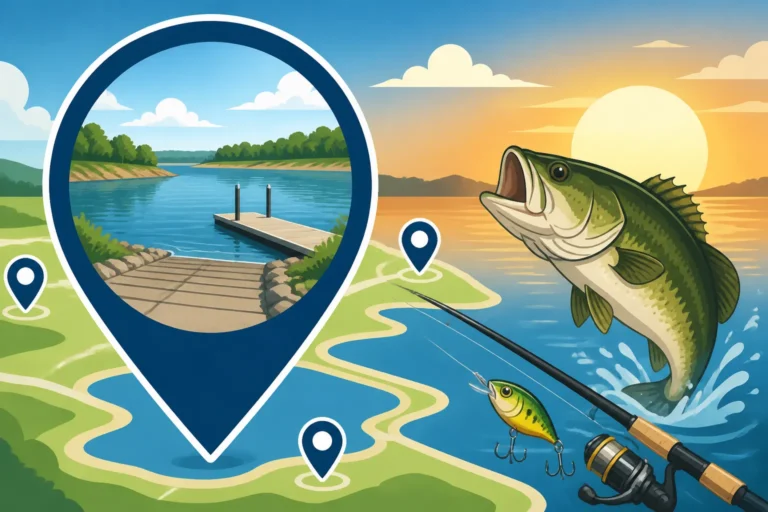
Beyond the main causeway and state park hubs, Cheney Reservoir boasts several other public access points that are fantastic for bank anglers. Many of these are less crowded than the main causeway, offering a bit more solitude. Consider exploring areas around established boat ramps, even if you're not launching a boat. Often, the areas immediately adjacent to these ramps are cleared and provide excellent casting opportunities into deeper water or along rocky banks. These spots often concentrate fish that follow the contours of the ramp or utilize the submerged structure nearby.
The Kansas Department of Wildlife, Parks and Tourism (KDWP) maintains several day-use areas and wildlife areas around the reservoir. These can include primitive access points with gravel parking lots, offering a more rugged bank fishing experience. Areas like the refuge points on the west side, especially during non-refuge seasons, can be incredibly productive for Wiper and Walleye, as they intercept migrating schools of baitfish. Look for areas marked "Public Access" on maps, and don't be afraid to walk a bit to find a less-pressured spot. These less-traveled spots often require a bit more scouting but can yield impressive results.
Finding Hidden Gems: Beyond the Obvious
Sometimes the most rewarding spots aren't the ones everyone knows about. To find those hidden gems, you need to think like a fish and be willing to do a little reconnaissance. Start by studying aerial maps or satellite imagery of Cheney Reservoir. Look for subtle changes in shoreline contour, points that jut out, small coves with creek inlets, or areas where the land transitions from rocky to soft bottom. Even subtle features can hold fish. Look for anything that offers cover, food, or a break from the current.
Once you have a few promising spots identified on a map, it's time for some old-fashioned scouting. Take a drive around the reservoir, stopping at various public access points. Walk the shoreline, observing water depth, clarity, and any visible structure like fallen trees, brush piles, or rock formations. Pay attention to wind direction and how it affects the water movement against the bank. Often, a strong wind blowing into a bank for a prolonged period will stack up baitfish, drawing in predators like White Bass and Wiper. Don't overlook the potential of small, often overlooked inlets or culverts that might drain into the reservoir, as these can be magnets for fish during and after rain events, washing in food and creating current.
Essential Techniques and Gear for Cheney Bank Fishing
Having the right gear and knowing how to use it effectively from the bank can significantly boost your success rate at Cheney Reservoir. It’s a different game than boat fishing, requiring specific strategies to reach fish and manage your line.
Go-To Baits and Lures for Shore Angling
When you’re stuck on shore, versatility and castability are key. For Walleye and Wiper, a long cast is often necessary to reach deeper water or schools of fish. Popular lures include crankbaits like Rapalas or Berkley Flicker Shads, especially in natural baitfish patterns or bright colors when the water is murky. Jigs, tipped with soft plastics (swimbaits or grubs) or live minnows, are also incredibly effective. For Crappie, small jigs (1/16 to 1/8 oz) tipped with a tube jig or minnow are deadly. Fishing these under a bobber can help you target specific depths near cover.
Catfish, especially Channel Catfish, are less picky. Cut bait (shad, carp), stink baits, and even good old nightcrawlers fished on the bottom with a slip sinker rig are highly productive. For the hard-fighting White Bass, small spoons, inline spinners (like Roostertails), or small jigs are excellent choices, particularly when you see them schooling on the surface during a feeding frenzy. Remember, having a selection of these versatile baits and lures in your tackle box, along with some live bait, will prepare you for whatever Cheney throws your way. You can learn more about general tackle setups in our Kansas Fishing Gear Guide.
Rod and Reel Setups for Reach and Sensitivity
The ideal rod and reel setup for bank fishing at Cheney balances casting distance with sensitivity and fighting power. A medium-heavy spinning rod, typically in the 7 to 9-foot range, is often preferred. The extra length helps with longer casts, allowing you to reach those distant structures or deeper channels that are out of reach with a shorter rod. It also helps with line management, keeping your line clear of shoreline obstacles. Pair this with a reliable spinning reel (size 3000-4000) spooled with 10-20 lb braided line, with a fluorocarbon leader of 8-15 lb test. The braided line offers superior casting distance and sensitivity, while the fluorocarbon leader provides invisibility and abrasion resistance against rocks.
For Catfish, a heavier setup might be warranted – a sturdy medium-heavy to heavy action rod (7-10 feet) with a larger spinning or baitcasting reel (size 5000+) spooled with 20-30 lb mono or braid. This gives you the backbone to handle larger fish and heavier sinkers needed to hold bottom in potential currents. For more specialized targets like Crappie, a lighter, more sensitive setup—perhaps a 6-7 foot light to medium-light rod with a small spinning reel (1000-2500 size)—will allow you to feel the most subtle bites.
Reading the Water and Seasonal Strategies
Being a successful bank angler at Cheney means constantly observing and adapting to the conditions. Pay close attention to the wind: a steady wind pushing into a bank often brings baitfish and warmer water, attracting predators. If the water is clear, fish deeper or use lighter lines and more natural presentations. If it's murky, opt for louder lures with vibration or brighter colors.
Seasonally, your approach will change dramatically. Spring is prime time for Walleye and Crappie as they move shallow to spawn. Focus on rocky points and protected coves. Learn more about specific tactics in our Kansas Spring Crappie Fishing Tips and Kansas Spring Walleye Fishing Tips. Summer sees fish moving deeper during the day but coming shallower to feed at dawn, dusk, and even at night. Catfish activity peaks in summer, and you can find them almost anywhere, especially in the shallower, warmer water after dark. Consider our Kansas Summer Catfish Fishing Tips for targeting them. Fall brings a feeding frenzy as fish fatten up for winter; Walleye, Wiper, and White Bass will be actively chasing baitfish in shallower areas, often near points and drop-offs. Even in winter, if the ice is safe, areas near points and drop-offs that are accessible from shore can be ice-fished, though you'll need the right gear, as detailed in our Kansas Ice Fishing Guide.
Navigating Regulations and Enhancing Your Trip
A great day of fishing isn't just about catching fish; it's about being prepared, safe, and respectful of the rules. Knowing the local regulations for Cheney Reservoir is paramount.
Understanding Cheney-Specific Rules and Limits
Like all public waters in Kansas, Cheney Reservoir operates under the regulations set by the KDWP. This means you'll need a valid Kansas Fishing License Guide, and it's always wise to review the current Kansas Fishing Regulations Explained before heading out. While Cheney itself doesn't have drastically different rules from other major reservoirs, it's crucial to be aware of statewide length and creel limits for the species you're targeting. For instance, understanding Kansas Crappie Length and Bag Limits or Kansas Catfish Daily Limits will help you stay compliant. Walleye often have specific length limits or slot limits designed to protect larger fish. Always consult the most recent KDWP fishing regulations summary, available online or at bait shops.
Safety and Comfort for Bank Anglers
Your safety and comfort while bank fishing are just as important as your fishing prowess. Cheney's shoreline can be uneven, rocky, and slippery, especially after rain. Wear appropriate footwear with good traction. Sun protection is a must in Kansas – hats, sunglasses, and sunscreen will save you from painful sunburns. Stay hydrated, especially during the warmer months. Bring a comfortable folding chair, a small cooler with snacks and drinks, and bug spray to ward off mosquitoes and ticks.
If you're fishing near boat ramps or busy areas, be mindful of boat traffic and give them plenty of space. While you might not be in a boat, it's still good practice to be familiar with general Kansas Boating Safety Equipment Requirements if you plan to be near launching areas or have friends boating nearby. Always let someone know where you're going and when you expect to return, especially if you're exploring more secluded areas.
Leveraging Local Knowledge and Resources
One of the best ways to shorten the learning curve at Cheney is to tap into local knowledge. Visit local bait and tackle shops like those often found near Cheney, such as Angler's Outlet or the numerous smaller shops in surrounding towns like Wichita or Hutchinson. The folks behind the counter usually have their fingers on the pulse of what's biting, where, and on what. They can provide invaluable, up-to-the-minute reports on conditions and fish movements. Consider checking out our list of Best Bait Shops Near Cheney Reservoir to find a trusted local source.
Online fishing forums and local fishing groups on social media are also great resources. Don't be shy about asking questions or sharing your own experiences. While this guide provides a solid starting point, conditions are always changing. Additionally, if you're looking to dive even deeper into the reservoir's nuances or plan a future boat trip to explore offshore structures, considering a guided trip can provide immense insight. Platforms like FishingBooker can connect you with experienced local guides who know Cheney like the back of their hand, offering a fantastic opportunity to learn advanced techniques and pinpoint locations, even if your usual preference is bank fishing. This type of firsthand experience can be invaluable for understanding how different factors impact fish behavior across the entire reservoir.
Disclaimer
Please remember that fishing conditions, regulations, and fish populations can change. Always consult the official Kansas Department of Wildlife, Parks and Tourism (KDWP) website or their most recent fishing regulations summary before any fishing trip to ensure you have the most up-to-date information. This guide is for informational purposes only and does not replace official state regulations or local ordinances.