Public Boat Ramps at Wilson Lake
There's nothing quite like the excitement of getting your boat onto the water for a day of fishing, but that excitement can quickly turn to frustration if you're pulling into a boat ramp that's too shallow, too crowded, or just plain tricky to navigate. When you're heading out to a magnificent body of water like Wilson Lake, often called "Kansas' Clearest Lake" or even "Lake Wilson" by locals, knowing exactly where to launch can make or break your trip. This guide is all about giving you the inside scoop on the public boat ramps available at Wilson Lake, ensuring your start to a fantastic fishing adventure is as smooth as possible.
The Challenge of Finding Good Boat Ramps at Wilson Lake
Let's be real, pulling a boat – especially a larger one – can be stressful. You’ve got the trailer, the boat itself, all your gear, and sometimes a truck full of excited (or impatient) family members. The last thing you want is to arrive at a boat ramp only to find it's a gravel pit, choked with weeds, or worse, too steep or shallow for your rig, especially when the water levels are fluctuating. Wilson Lake is a jewel in central Kansas, known for its stunning limestone bluffs and crystal-clear waters, making it a favorite for anglers targeting walleye, striped bass, and crappie. But its rugged beauty can sometimes translate to challenging access points if you don't know where to look.
Picture this: you've driven for hours, the sun is just rising, casting a beautiful glow over the lake, and you’re ready to hit those prime fishing spots. But then you encounter a poorly maintained ramp, a tight turning radius, or a parking situation that looks like a jigsaw puzzle. It immediately puts a damper on the start of your day. Or maybe you're trying to retrieve your boat after a long day, tired but happy, and you hit a bottleneck at the ramp. These are common frustrations, and understanding the layout and amenities of each ramp at Wilson Lake is key to avoiding them. Whether you're a seasoned angler with a tournament bass boat or a family just getting out with a smaller Jon boat, having the right information upfront saves a lot of headaches and ensures you spend more time fishing and less time fumbling at the ramp.
Prime Public Boat Ramps on Wilson Lake's Shores
Wilson Lake, nestled in Russell and Lincoln counties, is managed by the U.S. Army Corps of Engineers and Kansas Department of Wildlife, Parks and Tourism (KDWP), ensuring there are several well-maintained public access points. These ramps are generally open year-round, though conditions can vary with weather and water levels, especially during winter or prolonged dry spells. Each ramp location tends to have its own unique characteristics and advantages, depending on what part of the lake you want to fish and what amenities you might need. When planning your trip, consider not just the ramp itself, but also the proximity to your target fishing areas, available parking, and any nearby facilities like restrooms or bait shops. For example, if you're planning a multi-day trip, checking out Camping Near Wilson Reservoir for Anglers might influence which ramp you choose to launch from.
Lucas Park Boat Ramps
Lucas Park is one of the most popular and well-developed recreation areas on Wilson Lake, situated on the lake's eastern side. It offers multiple boat ramps, making it a fantastic choice for anglers. The ramps here are generally concrete and well-maintained, providing excellent access for a wide range of boat sizes, from small fishing boats to larger pontoon and bass boats. This area is a hub of activity, especially on weekends and during peak fishing seasons.
You'll find ample paved parking at Lucas Park, which is a huge plus, as wrestling with a trailer in a crowded, unpaved lot is never fun. There are typically courtesy docks available, which are incredibly helpful for loading and unloading passengers and gear before you park your vehicle and trailer. Lucas Park also boasts modern restrooms, picnic areas, and even a marina with fuel and supplies. This makes it a convenient one-stop shop for launching your boat, grabbing any last-minute essentials, and getting your day started. Anglers often choose Lucas Park ramps when they're targeting the deeper waters and structure on the eastern side of the lake, which can be productive for species like walleye and striped bass. If you're looking for a comfortable launch experience with plenty of amenities, Lucas Park is definitely a top contender.
Sylvan Park Boat Ramps
Moving to the western arm of Wilson Lake, you'll find the Sylvan Park area, another excellent option for public boat access. Sylvan Park offers a more tranquil setting compared to the bustling Lucas Park, but still provides solid concrete ramps that can handle most recreational boats. This area is particularly appealing if you're aiming to fish the western reaches of the lake or prefer a slightly less crowded launch experience, especially during the week.
The boat ramps at Sylvan Park are typically concrete and wide enough to allow for simultaneous launching and retrieval, which helps keep things moving. Parking is generally good here, with designated spaces for trucks and trailers, although it might not be as vast as Lucas Park. Like Lucas Park, you'll often find courtesy docks to assist with your launch. While Sylvan Park might have fewer extensive services than Lucas Park, it still offers basic amenities like restrooms and picnic spots. Its location makes it ideal for anglers who want to explore the Sylvan arm of the lake, known for its excellent Wilson Lake Striped Bass Fishing opportunities and various coves that can hold crappie and other species. For those who appreciate a balance of good facilities and a quieter atmosphere, Sylvan Park is a strong choice.
Hell Creek Boat Ramps
Hell Creek State Park, located on the northern shore of Wilson Lake, is another incredibly popular spot, especially renowned among anglers. This area offers multiple boat ramps that provide excellent access to some of the lake's most productive fishing grounds. The ramps at Hell Creek are well-constructed, typically concrete, and designed to accommodate various boat sizes. What sets Hell Creek apart is its reputation for being close to prime fishing areas, making it a favorite for serious anglers.
When you launch from Hell Creek, you're immediately close to rocky points, submerged timber, and other structures that hold fish. This area is particularly famous for its walleye fishing, and many anglers swear by Hell Creek as their preferred launch point for targeting these elusive fish. The park provides ample paved parking for trucks and trailers, and you'll usually find courtesy docks to make your launch and retrieval process smoother. Beyond the ramps, Hell Creek State Park offers a wide array of amenities, including campgrounds, cabins, and a general store, which can be very convenient if you're planning an extended fishing trip. It's a fantastic choice for those who want to maximize their time on the water and be as close as possible to the action. It's also a great base for exploring the diverse ecology of Wilson, which is a key aspect of the Wilson Lake Fishing Guide.
Navigating Wilson Lake Ramps: Tips and Considerations
Using boat ramps efficiently and safely is an art form that comes with practice, but there are always tips that can make the process smoother, whether you're a novice or an experienced boater. Wilson Lake's ramps, while generally good, can present their own set of challenges, from varying water levels to busy weekends. Being prepared and considerate of others can significantly improve your experience and everyone else's. Remember, patience is a virtue, especially at busy boat ramps!
| Boat Ramp Location | Features | Parking Availability | Key Amenities | Best For |
|---|---|---|---|---|
| Lucas Park | Multiple concrete ramps, gentle slope | Excellent (paved) | Courtesy docks, restrooms, marina, fuel, picnic areas | All boat types, convenience, access to eastern lake, longer stays with full facilities |
| Sylvan Park | Concrete ramps, good width | Good (paved) | Courtesy docks, restrooms, picnic areas, less crowded | Most boat types, quieter launch, access to western lake, striped bass fishing |
| Hell Creek | Multiple concrete ramps, direct access | Excellent (paved) | Courtesy docks, restrooms, general store, campgrounds | All boat types, proximity to prime fishing spots (walleye), extended camping trips |
| Minooka Park | Concrete ramps | Moderate (paved/gravel) | Restrooms, picnic areas | Quieter access, less crowded, access to central lake features (e.g., Wilson Lake Acreage and Depth) |
Launching and Retrieving Your Boat Smoothly
The key to a smooth launch and retrieval at any boat ramp, including those at Wilson Lake, is preparation and communication. Before you even back down the ramp, take a few minutes in the staging area to get everything ready. This means unhooking your transom straps, putting in your drain plug (you'd be surprised how often this is forgotten!), securing all your gear, and making sure your lines are ready to tie off to a courtesy dock or for someone to hold. Don't forget to attach your bow and stern lines; having them easily accessible can prevent your boat from drifting away unexpectedly.
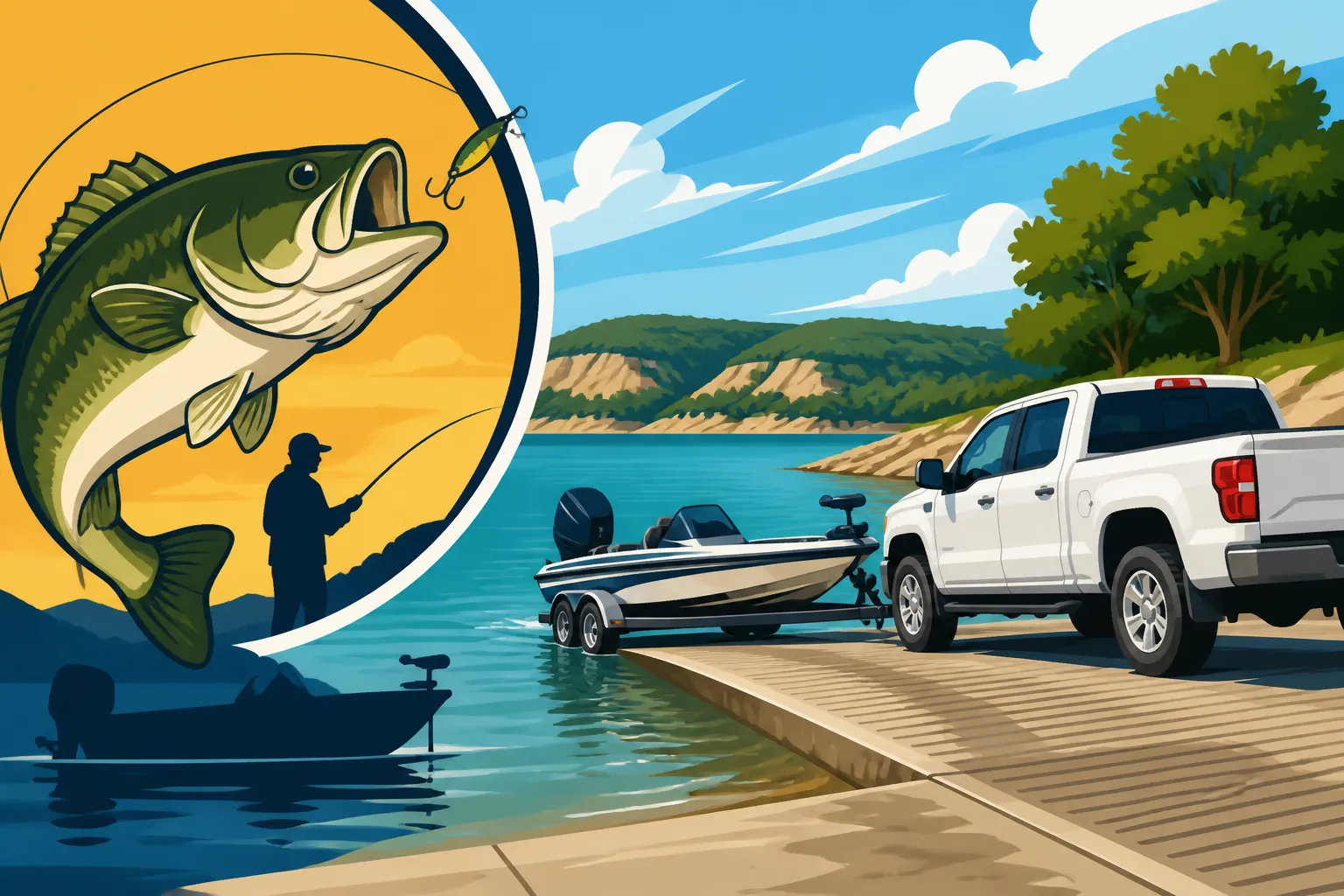
When you're backing down, take it slow. If you have a passenger, have them guide you, but make sure you both understand the signals. Many modern trucks and trailers have backup cameras, which are a huge help. Once the boat is floating, gently push it off the trailer and move it to a courtesy dock if available. Park your vehicle and trailer promptly, ensuring you're not blocking the ramp for others. Nothing causes more frustration at a busy ramp than someone taking their sweet time. If you're new to trailering, practicing in an empty parking lot can do wonders for your confidence. Also, understanding the specifics of Kansas Boat Registration for Anglers and ensuring your boat is properly registered and equipped with all required Kansas Boating Safety Equipment Requirements before you even leave home will save you time and hassle at the ramp.
Retrieval follows a similar pattern of preparation. As you approach the ramp, have a spotter ready to guide you or watch for other traffic. Ensure your trailer is backed in to the appropriate depth – usually where the boat can float onto the bunks with minimal effort. Slowly drive or winch your boat onto the trailer, making sure it's centered. Once secured, pull forward to the staging area to finish strapping everything down. Doing this away from the ramp keeps the flow of traffic moving for everyone else, creating a much more pleasant experience for the whole community of anglers enjoying Wilson Lake.
Understanding Lake Conditions and Water Levels
Wilson Lake, like all large reservoirs, experiences fluctuations in its water levels, which can significantly impact the usability of boat ramps. Prolonged dry spells can expose more of the ramp, potentially making it too shallow for certain boats or revealing unexpected obstacles. Conversely, periods of heavy rain might raise the water level, submerging parts of the ramp or making the approach slippery. Always check the current lake level before heading out. The U.S. Army Corps of Engineers website, or local KDWP offices, often provide real-time or near real-time lake level information.
Beyond water levels, consider other conditions like wind. Wilson Lake is a large body of water, and strong winds can create choppy conditions, making launching and retrieving a boat much more challenging, especially for smaller vessels. A strong crosswind can push your boat sideways against the trailer or the dock, requiring extra care and strength. During winter months, ice can be a factor, rendering ramps unusable or extremely hazardous. Always prioritize safety and if conditions look too challenging, it’s better to err on the side of caution. Utilizing resources like local fishing reports or consulting with a guide service found on platforms like FishingBooker can provide invaluable, up-to-date insights into current lake conditions, helping you make informed decisions about your day on the water.
Additional Considerations for Wilson Lake Anglers
Beyond the nuts and bolts of launching your boat, there are a few other aspects to keep in mind when planning your fishing trip to Wilson Lake. This lake isn't just a body of water; it's a vibrant ecosystem that offers diverse angling opportunities, and being prepared for what it holds can truly enhance your experience. Thinking about everything from the type of boat you bring to the local rules can make a big difference.
Choosing the Right Vessel for Wilson's Waters
Wilson Lake is a large and often windy reservoir, making your choice of boat quite important. While smaller Jon boats or aluminum fishing boats can certainly be effective, especially in calmer coves or on less windy days, many anglers prefer larger, more stable vessels for tackling the main lake. Bass boats, multi-species boats, and even pontoon boats are common sights on Wilson Lake. These provide better stability in choppy conditions and offer more comfortable rides for longer runs across the lake. If you're just getting into boating for fishing, you might want to consider what type of boat truly suits your needs and the conditions you'll face. You can find more detailed advice on Best Boats for Kansas Reservoirs to help you make an informed decision.
For kayak anglers, Wilson Lake offers incredible opportunities along its numerous coves and shorelines, especially in areas with less boat traffic. However, kayaking on the main lake requires extra caution due to potential winds and boat wakes. Always wear your life jacket and stay aware of larger vessels. Regardless of your boat type, ensure it's properly equipped with all necessary safety gear. Consulting with a local outfitter or even experienced anglers on online forums can give you practical insights into what works best on Wilson's specific conditions. FishingBooker can also connect you with local guides who can offer personalized recommendations based on their extensive experience on the lake.
Local Regulations and Etiquette
Knowing the rules and regulations specific to Wilson Lake and Kansas in general is crucial. This includes everything from fishing license requirements to length and creel limits for various species. For example, understanding Kansas Walleye Length Limits is vital if you're targeting those prized fish. Always have your Kansas fishing license readily available, either a physical copy or a digital one on your phone. You can find comprehensive information on the Kansas Department of Wildlife, Parks and Tourism (KDWP) website.
Beyond official regulations, observe common boating and fishing etiquette. This includes giving other anglers plenty of space, especially if they're anchored or visibly working a particular spot. When approaching other boats or shorelines, maintain a safe speed and be mindful of your wake. At the boat ramp, efficiency and courtesy are paramount. Don't hog the ramp, be quick with your launch and retrieval, and always park your vehicle and trailer in designated spots. These simple acts of consideration go a long way in ensuring everyone has a pleasant and safe experience on the water. Respecting the lake and fellow anglers ensures that Wilson Lake remains a fantastic destination for generations to come.
Disclaimer
Please remember that fishing conditions, regulations, and boat ramp availability can change. Always check the latest information from the Kansas Department of Wildlife, Parks and Tourism (KDWP) and the U.S. Army Corps of Engineers before heading out. This guide is for informational purposes only and does not substitute for official resources or personal judgment regarding safety.