What Month Is Best for Walleye?
Trying to figure out the absolute best month to target walleye in Kansas can feel like chasing a phantom, can't it? You hear whispers of incredible spring bites or fantastic fall runs, but pinpointing that sweet spot for consistent success often feels elusive. This guide is here to cut through the noise, helping you understand not just which months shine for Kansas walleye, but why they do, and how you can maximize your chances of reeling in those toothy trophies throughout the year.
Understanding the Walleye Calendar: When Kansas Walleye Are Most Active
If you ask ten different Kansas anglers what month is best for walleye, you might get ten slightly different answers, and honestly, they could all be right! The truth is, walleye fishing in Kansas isn't about a single magic month. Instead, it's about understanding their seasonal patterns and capitalizing on specific windows when their behavior makes them more predictable and aggressive. However, if we had to pick, spring and fall generally stand out as the absolute peak times for consistent walleye action across our great state.
Spring: The Pre-Spawn and Spawn Frenzy
Ah, spring! The air warms, the ice melts, and a certain electricity fills the atmosphere for walleye anglers. This is arguably the most anticipated time for many. Walleye, driven by the ancient urge to reproduce, begin to stage in predictable areas, making them prime targets.
Before the actual spawn, typically in late March to mid-April when water temperatures hover in the low to mid-40s, walleye migrate towards shallower rocky areas, riprap shorelines, and main lake points where they intend to lay their eggs. This pre-spawn period is phenomenal because the fish are hungry and focused on bulking up. They're actively feeding to gain energy for the upcoming spawn. You'll find them concentrating in certain areas, sometimes in large numbers, making them easier to locate. Lakes like Milford Lake Fishing Guide and Cheney Reservoir Walleye Fishing become hotspots, especially around their dam faces and major points. You might be casting crankbaits or slowly dragging jigs, hoping to intercept these hungry fish on their migration routes.
Once the water temperature reaches that critical 45-50°F range, the spawn truly begins. This period can be tricky. Walleye might be less interested in feeding as they focus solely on reproduction. However, immediately post-spawn, usually late April through May, the fish become incredibly aggressive again. They are exhausted and famished from the spawning ordeal, leading to a voracious feeding spree. This post-spawn bite can be incredibly productive, often considered by many as the "best" time, as the fish are still relatively shallow and extremely willing to strike. This is when you can really put some of those Best Lures for Kansas Walleye to work.
Fall: The Pre-Winter Feast
While spring gets a lot of hype, don't sleep on fall for incredible walleye action. As summer heat gives way to cooler temperatures, typically from September through November, walleye engage in another significant feeding binge. They sense the coming winter and instinctively know they need to pack on fat reserves. This means they become highly active and can be found shallower than their summer haunts, often following schools of baitfish.
Fall walleye fishing can be a bit more nuanced than spring, as fish tend to spread out more across the lake, but their aggressive feeding behavior makes them a joy to target. They might be relating to deeper points, humps, and channel edges, but they'll often push into shallower flats and creek arms during low light conditions or on cloudy days, chasing shad. Trolling deep-diving crankbaits or jigging spoons over structure can be incredibly effective during this time. The cooler water also means the fish are generally more robust and feisty, leading to some memorable battles. Many anglers consider October and November to be prime for trophy-sized walleye, especially on larger reservoirs like Wilson Lake Fishing Guide where there’s a strong forage base.
Key Environmental Factors Driving Walleye Behavior
Understanding why walleye bite better at certain times is just as important as knowing when. Their activity is intrinsically linked to several environmental factors, primarily water temperature, their spawning cycle, and the availability of their favorite food sources. Ignoring these can lead to a lot of frustration, even in a "good" month.
Water Temperature and Spawning Cycles
The most critical factor influencing walleye behavior is water temperature, as it directly triggers their spawning instincts. Walleye are cool-water fish, and their metabolism and activity levels are highly attuned to temperature changes.
As mentioned, the pre-spawn migration is cued by rising temperatures in early spring, typically when surface temps hit the low 40s. The actual spawn kicks off when temperatures hit the high 40s to low 50s. After the spawn, as temperatures continue to climb into the mid-50s and 60s, walleye will recuperate and then scatter to summer feeding grounds. In the fall, falling temperatures from the 70s down into the 60s and 50s signal the start of their fall feeding spree. Understanding these thermal windows is key to predicting where walleye will be and how they'll behave. For instance, knowing the optimal water temperature for walleye can drastically improve your chances, rather than just blindly fishing any time in April.
Forage Availability and Movement
Walleye are opportunistic predators, and their presence in any given area is heavily influenced by the availability and movement of their prey, primarily shad, shiners, and other smaller baitfish.
In spring, as water warms, baitfish also become more active and move into shallower areas, drawing walleye with them. After the spawn, walleye follow these baitfish schools, which often congregate in bays, creek arms, and over flats. During the summer, when the main lake warms up, baitfish often seek refuge in deeper, cooler water or school up over open water humps and points, and walleye will follow suit. This is when knowing How Deep to Fish for Walleye in Summer becomes crucial. Fall sees baitfish moving into shallower bays and coves as they too feed heavily before winter, creating another excellent opportunity for walleye to ambush them. Large schools of shad will often gather in these areas, and if you can find the bait, you're usually not far from the walleye. Using a good fish finder from a brand like Humminbird or Lowrance (often available on Amazon) can be incredibly helpful for locating these baitfish schools.
Weather Patterns and Light Conditions
While not tied to a specific month, weather patterns and light conditions play a huge role in daily walleye activity, especially during peak seasons. Walleye are notoriously light-sensitive due to their large, light-gathering eyes.
Cloudy days, choppy water, and low-light conditions (dawn, dusk, and night) are often prime times for walleye. These conditions reduce light penetration, making walleye more comfortable moving into shallower water to feed. A strong cold front, on the other hand, can shut down the bite for a day or two, making fish lethargic and less willing to strike. Conversely, stable weather with consistent barometric pressure can lead to a more predictable bite. Knowing the Best Time of Day to Catch Walleye often means fishing those low-light periods, even in the best months. Many anglers will head out before sunrise or stay well past sunset, especially during the warmer months, to take advantage of these light conditions.
Strategies for Targeting Walleye During Their Peak Periods
Knowing when walleye are active is only half the battle; knowing how to catch them during these times is where the real skill comes in. Different seasons call for different tactics, baits, and even types of fishing equipment.
Spring Tactics: Jigs, Cranks, and Slow Presentations
In spring, especially during the pre-spawn and early post-spawn, slow and methodical presentations are often the most effective. Walleye are either sluggish from cold water or recovering from the spawn, so they appreciate an easy meal.
- Jigging: One of the most classic and effective spring walleye techniques. You can use lead-head jigs tipped with live minnows, soft plastic grubs, or paddle-tail swimbaits. The key is to keep your presentation slow and close to the bottom. Target rocky points, humps, and submerged timber in 8-20 feet of water. A subtle lift and fall, allowing the jig to just tick the bottom, can be irresistible. Consider using jigs in chartreuse, white, or natural baitfish colors.
- Crankbaits: Medium to deep-diving crankbaits that mimic shad or shiners are excellent for covering water and locating active fish. In early spring, retrieve them slowly, allowing them to occasionally bump the bottom or pause them during the retrieve. As the water warms in late spring, you can increase your retrieve speed. Brands like Rapala, Berkley, and Strike King make excellent walleye crankbaits that you can find at most local tackle shops or online at Amazon. Remember that Trolling for Walleye on Kansas Reservoirs can be incredibly effective with crankbaits, especially when searching for fish over larger areas.
- Slip Bobbers: When walleye are holding tight to structure or in specific depths, a slip bobber rig with a live minnow or a leech can be deadly. This allows you to present your bait vertically and keep it in the strike zone for extended periods. This is particularly effective in transition areas where walleye are staging before or after the spawn.
Fall Tactics: Trolling, Vertical Jigging, and Reaction Baits
Fall fishing often means covering more water and sometimes using more aggressive techniques, as walleye are actively chasing baitfish.
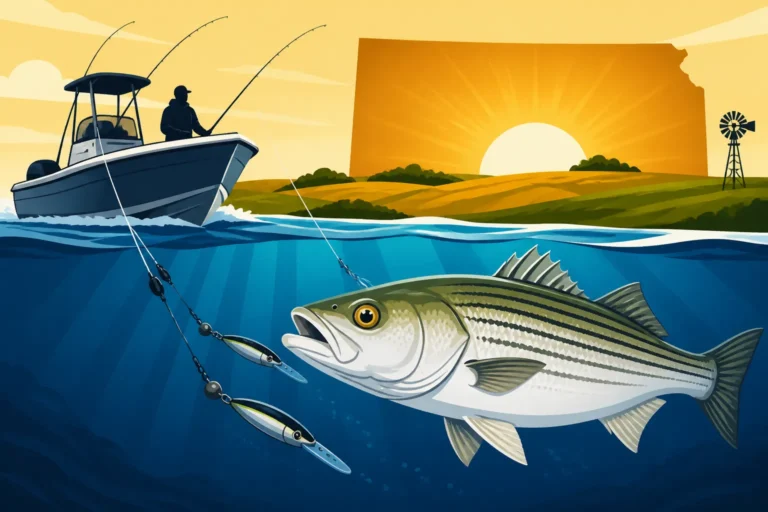
- Trolling Deep-Diving Crankbaits: This is a go-to fall tactic on larger reservoirs. Use crankbaits designed to reach depths where walleye are holding, often 15-30 feet or deeper. Experiment with different colors and sizes until you find what the fish are keying in on. The idea is to present a bait that looks like a fleeing or struggling shad. Pay attention to structure like old creek channels, humps, and main lake points.
- Vertical Jigging with Spoons or Blade Baits: When you mark schools of walleye relating to specific structure on your fish finder, dropping a spoon or blade bait directly on their heads can trigger a reaction strike. The aggressive flash and vibration can be highly effective. A quick rip and fall, letting the bait flutter back down, often elicits a strike on the drop.
- Casting Jerkbaits or Swimmbaits: In shallower areas, especially during low light, casting jerkbaits or larger swimbaits can entice aggressive walleye that are actively feeding on baitfish. Work them with a stop-and-go retrieve, mimicking a wounded baitfish. This can be particularly effective on windy points or flats.
Other Considerations: Regulations and Gear
No matter the season, always be aware of the current Kansas Fishing Regulations Explained and species-specific rules. For walleye, this includes understanding the Kansas Walleye Length Limits and the Kansas Walleye Daily Limit of Two Fish. Some lakes may even have a Kansas Walleye Slot Limit Explained, so it's vital to check the latest regulations from the Kansas Department of Wildlife, Parks and Tourism (KDWP) before you head out.
When it comes to gear, a medium-light to medium power spinning or casting rod paired with a sensitive line (braided line with a fluorocarbon leader is a popular choice for sensitivity and strength) will serve you well for most walleye applications. Make sure you have a quality landing net; those toothy walleye can be difficult to handle at the boat. You can find a wide selection of rods, reels, and fishing lines on Amazon to suit your preferred techniques and budget.
Navigating Seasonal Shifts: Walleye Fishing Month by Month
While spring and fall hold the "best" titles, Kansas offers walleye fishing opportunities year-round if you adjust your approach. Here’s a quick overview of what to expect and how to adapt, focusing on the prime months.
March: The Early Awakening
March can be a tough month, but it's often when the earliest walleye signs appear. The ice is typically off, and water temperatures are still quite cold (30s to low 40s). Walleye begin their slow migration toward spawning areas. Focus on deep water adjacent to major spawning grounds like rocky points and dam faces. Slow presentations with jigs and minnows or deep-diving crankbaits are key. This is a patience game, but it can reward anglers looking for the first big fish of the year.
April: Peak Spring Action
April is arguably the most consistent "best month" for many Kansas walleye anglers. Water temperatures are ideal for pre-spawn staging and then the post-spawn feeding frenzy. The mid-40s to mid-50s range is the sweet spot. Walleye are concentrated and aggressive. Focus on rocky points, riprap, and shallow flats adjacent to deep water. Jigs, minnows, crankbaits, and even some early worm harness presentations can be extremely effective. This is when the Kansas Walleye Fishing Guide really comes alive.
May: Post-Spawn Power
Following April, May continues to be an excellent month, particularly for the post-spawn bite. Water temperatures are warming (mid-50s to low 60s), and walleye are recovering from the spawn, leading to aggressive feeding. They might start to scatter more, but many will still be in shallower areas feeding on abundant baitfish. Keep using jigs, crankbaits, and start incorporating bottom-bouncing rigs with live bait like nightcrawlers or leeches as fish move to slightly deeper structure.
June-August: Summer Deep-Water Hunt
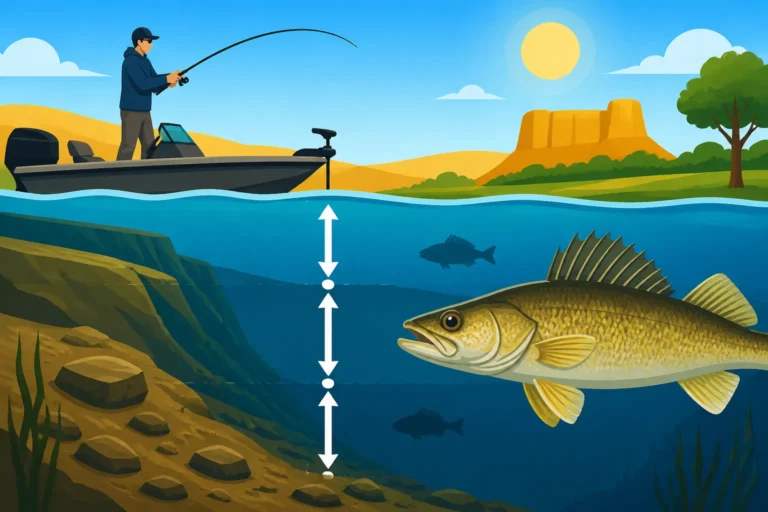
Summer can be challenging for walleye in Kansas as surface temperatures soar into the 70s and 80s. Walleye become less active during the day and retreat to deeper, cooler water. This is when patience and understanding reservoir structure become paramount.
- Deep Trolling: This is a primary summer tactic. Use lead core line or snap weights to get crankbaits down to walleye holding in 20-40 feet of water over main lake humps, deep points, and along old creek channels.
- Night Fishing: Walleye are much more active at night in summer. They'll move shallower to feed under the cover of darkness. Casting shallow-running crankbaits or even slip bobber fishing with live bait can be productive.
- Vertical Jigging: On those hot, sunny days, if you can mark fish suspended over deep structure, dropping a heavy jigging spoon or a jig-and-minnow combo vertically can sometimes entice a bite.
September: The Transition Begins
As water temperatures begin to drop in September (high 60s to low 70s), walleye start to transition out of their deep summer patterns. They'll become more active and begin to feed more aggressively, though they might still be somewhat scattered. This month is a bridge to the fantastic fall bite, with fish moving between deep summer haunts and shallower fall feeding areas. Trolling remains effective, but also start looking for them on main lake points and humps.
October-November: Fall Feeding Frenzy
October and early November are widely considered another prime "best month" window, especially for trophy potential. Water temperatures are dropping into the 50s and 60s, triggering intense feeding. Walleye are actively chasing baitfish in preparation for winter.
This is a great time for trolling crankbaits, casting jerkbaits, or vertical jigging over structure. Focus on rocky points, channel swings, and areas with abundant baitfish. The fish are typically in excellent condition, fat and healthy. Many of the larger Best Walleye Lakes in Kansas will produce impressive catches during this period.
December-February: The Winter Slowdown and Ice Fishing Opportunities
Winter sees walleye activity slow significantly as water temperatures dip into the 30s. However, dedicated anglers can still find success, particularly through ice fishing.
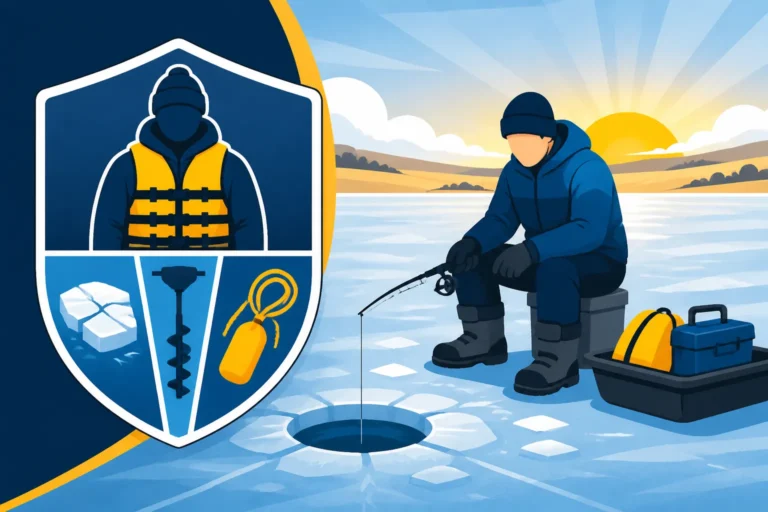
- Ice Fishing: If safe ice forms, walleye can be caught through the ice. Jigging spoons, small vertical jigs tipped with minnows or plastics, and tip-ups rigged with live bait are common tactics. Focus on breaks, humps, and points in 15-30 feet of water.
- Open Water (Limited): In open water areas, slow presentations are key. Target deep holes, river bends, and areas with current that might concentrate baitfish. Extremely slow retrieves with jigs or blade baits can sometimes coax a bite.
| Season | Best Months | Typical Water Temp | Key Walleye Behavior | Recommended Techniques | Prime Locations |
|---|---|---|---|---|---|
| Early Spring | March – April | 40s – Low 50s | Pre-spawn staging, early spawn | Slow jigging, deep crankbaits, live minnows | Rocky points, dam faces, riprap, main lake points |
| Late Spring | Late April – May | Mid 50s – Mid 60s | Post-spawn feeding frenzy | Jigs & plastics, crankbaits, slip bobbers, worm harnesses | Shallow flats, creek arms, recovering points |
| Summer | June – August | 70s – 80s | Deep-water seeking, nocturnal feeding | Deep trolling, vertical jigging, night fishing with shallow cranks | Deep humps, channel edges, main lake points, open water |
| Fall | Sept. – Nov. | 50s – 60s | Pre-winter feeding binge | Trolling deep cranks, casting jerkbaits, vertical jigging | Main lake points, humps, channel swings, rocky flats |
| Winter | Dec. – Feb. | 30s – Low 40s | Slow metabolism, ice fishing | Ice fishing jigs/spoons, tip-ups, very slow open water presentations | Deep structure, breaks, river channels, humps (under ice) |
As you can see, the "best" month for walleye in Kansas truly depends on what you're looking for, but the periods of spring (April/May) and fall (October/November) offer the most consistent and often most exciting opportunities for anglers. Always be sure to check the specific regulations for the body of water you intend to fish, as they can vary.
Disclaimer
Fishing conditions and regulations in Kansas can change rapidly. Always consult the official Kansas Department of Wildlife, Parks and Tourism (KDWP) website or their current fishing regulations summary before heading out. This guide is for informational purposes only and should not replace official sources.