How to Catch Fish in Cold Water in Kansas
There's a common misconception among anglers that when the water gets cold, the fish simply vanish or become completely uncatchable. I hear it all the time – "I'll just wait for spring," or "It's too cold to catch anything out there." But that's just not true, my friends! While fishing in the colder months in Kansas certainly presents a unique set of challenges compared to the easygoing days of summer, it also offers some of the most rewarding, and often peaceful, fishing experiences. This guide is all about helping you understand how fish react when the mercury drops and equipping you with the knowledge and tactics to find success even when the water temperature is closer to freezing. We're going to dive deep into exactly how to catch fish in cold water in Kansas, breaking down their behavior, the best techniques, and the gear you'll need to stay warm and reel 'em in.
The Cold Reality: Understanding Fish Behavior in Winter
When the biting Kansas winds sweep across the plains and water temperatures plummet, fish don't just disappear. They simply change their routine. It's like us wanting to stay bundled up inside with a warm cup of coffee instead of running a marathon when it's freezing outside. Their metabolism slows way down, and with that, their activity levels and feeding habits shift dramatically. Understanding these changes is your first, and most crucial, step toward cold water fishing success.
Why Fish Slow Down: Metabolism and Energy Conservation
Think about it: fish are cold-blooded creatures, which means their body temperature is largely dictated by the water around them. As the water cools, their metabolism drops significantly. This isn't a minor adjustment; it's a fundamental change in how their bodies function. They burn far fewer calories, move less, and digest food at a much slower rate. This means they don't need to eat nearly as often or as much as they do in warmer months.
Because of this physiological slowdown, a fish's priorities shift to energy conservation. They're not going to chase a fast-moving bait across a large area. Instead, they'll become sluggish, often holding tight to structure or deep contours, waiting for an easy meal to come to them. Your presentation, therefore, needs to cater to this reduced energy level. Forget those aggressive retrieves; we're talking about baits that practically sit still, inviting a strike rather than demanding one. This understanding forms the bedrock of all your cold-water strategies.
Where Fish Go: Deep Water, Structure, and Thermal Stratification
So, if they're slowing down, where do they go? This is where understanding depth and structure becomes paramount. As the surface water cools, it becomes denser and sinks, pushing warmer, less dense water deeper. This process is called thermal stratification. However, once the entire water column reaches its maximum density (around 39 degrees Fahrenheit or 4 degrees Celsius), it can then become isothermal, meaning the temperature is roughly uniform from top to bottom, especially in shallower areas. In deeper reservoirs, you might still find slightly warmer water at the bottom, offering a crucial thermal refuge for fish.
Fish will seek out areas that offer the most stable conditions and, crucially, access to food without expending too much energy. This often means deeper water, but not always the absolute deepest part. Look for significant structure: submerged humps, rock piles, ledges, creek channels, and even brush piles that offer cover and act as ambush points. They might huddle together in schools, especially crappie or white bass, making them harder to find but incredibly rewarding once you do. Understanding where fish hold is half the battle, and it often involves slowing down your boat (or your walk along the bank) and really paying attention to your electronics, or the subtle changes in the bottom if you're fishing from shore. You might also want to check out some specific tips on How Deep to Fish for Crappie in Winter to dial in your approach.
Essential Strategies for Cold Water Success
Knowing why fish behave differently is great, but how do you actually catch them? This is where your techniques need to adapt dramatically. The fast-paced, aggressive fishing of summer is out, and a more patient, subtle approach takes its place.
Slow and Subtle Presentations: The Art of Finesse
Because fish are conserving energy, they aren't likely to chase a bait. Your presentation needs to be incredibly slow, often almost motionless. Think about a minnow barely twitching, or a crawdad slowly crawling across the bottom. Jerkbaits with long pauses, blade baits jigged vertically with minimal lift, and soft plastics fished on a jig head with excruciatingly slow retrieves are often the most effective. Sometimes, simply letting your bait sit on the bottom for 10-20 seconds before barely twitching it can be the key.
This finesse approach also means you need to be hyper-attuned to your line and rod tip for the subtlest bites. A lot of cold water bites aren't the aggressive thump you feel in summer; they might be a slight weight, a faint tick, or just your line going slack. This is where good quality, sensitive equipment really shines. If you're wondering about the best gear to pick up, a look at the Kansas Fishing Gear Guide would be a smart move, focusing on sensitive rods and thin lines.
The Right Bait and Lures: Matching the Hatch and Max Lure Attraction
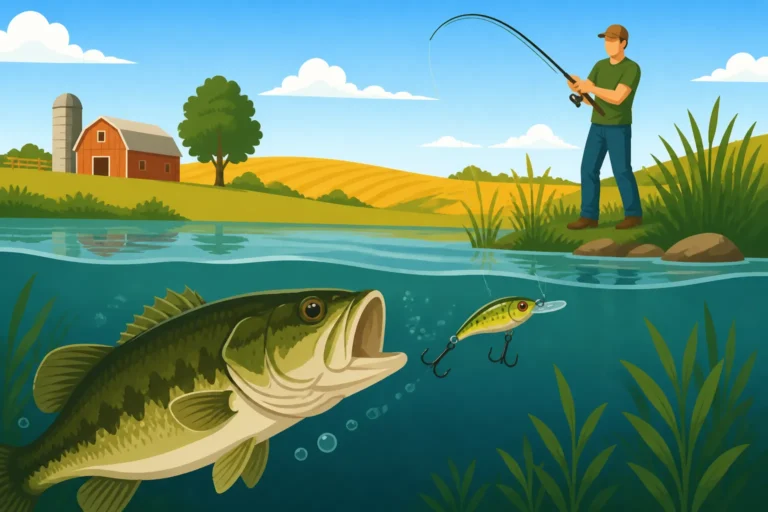
Choosing the right bait or lure is critical. Natural, live bait like minnows, shad, or worms, fished slowly on a simple hook rig, can be incredibly effective because they offer an easy, protein-rich meal. For artificials, think about lures that have a lot of inherent action with minimal movement from you, or lures that can be worked very, very slowly.
- Jigs with soft plastics: Small, subtle movements make these deadly. Colors like white, chartreuse, or even natural browns and greens often work well.
- Blade baits: These lures vibrate on the retrieve or lift, then flutter enticingly on the fall, mimicking a dying baitfish.
- Jerkbaits: Suspending jerkbaits are fantastic because you can twitch them a few times and then let them sit perfectly still in the strike zone for extended periods. This long pause is often when the fish will commit.
- Spoons: Vertical jigging spoons are excellent over deep schools of fish, especially crappie and white bass.
- Live bait: Minnows under a bobber or on a drop shot rig are hard to beat when fish are finicky. For trout, exploring the Best Bait for Winter Trout can offer some excellent insights.
When fish are sluggish, they might not be actively looking for food over a wide area, so bringing the "dinner bell" to them, or presenting something undeniably easy to catch, is paramount. Many anglers find great success stocking up on a variety of lures on platforms like Amazon to ensure they have the right presentation for any given day.
Optimal Timing and Location: Short Windows, Key Spots
Cold water fishing often means shorter feeding windows. Fish might only be active for a few hours in the middle of the day when the sun is highest, or during a specific weather pattern that triggers a slight warming trend. Pay attention to forecasts and try to time your trips for those prime conditions. The Kansas Fishing Seasons Guide can give you an overview of general patterns, but cold water requires more granular attention to daily conditions.
Location is also key. Rather than covering a lot of water, focus on known deep-water structure, sharp drop-offs, or the deepest channels in a lake. If you're targeting trout, look for those specific stocked areas mentioned in the Kansas Winter Trout Fishing Guide. For species like walleye, understanding where they hold can be tricky. Knowing How to Fish a Jig for Walleye at Night might give you an edge, as walleye can be more active after dark even in cold water. Don't be afraid to spend a significant amount of time thoroughly working a small, promising area before moving on. That "one cast" mentality often pays off big in winter.
Here's a quick comparison of cold water tactics for some popular Kansas species:
| Fish Species | Typical Cold Water Location | Preferred Bait/Lures | Key Cold Water Tactics |
|---|---|---|---|
| Walleye | Deep humps, ledges, creek channels, rocky points | Blade baits, suspending jerkbaits, jigs with live minnows | Slow vertical jigging, long pauses with jerkbaits, drift fishing deep structure |
| Crappie | Deep brush piles, submerged timber, creek channel edges | Small jigs (1/32-1/16 oz), minnows, small spoons | Vertical jigging over structure, tight-lining minnows |
| Catfish | Deep holes, river bends, main lake channels | Cut bait (shad, carp), chicken livers, prepared baits | Bottom fishing with heavy weights, slow retrieve of cut bait |
| Trout | Stocked ponds, specific coldwater streams | PowerBait, small spoons, inline spinners, worms, corn | Bottom fishing, slow retrieve, light tackle, float fishing |
| White Bass | Deep creek channels, main lake humps, often suspended | Slab spoons, blade baits, small jigs | Vertical jigging on electronics, steady retrieve of spoons |
Gear Up: Your Cold Water Fishing Arsenal
Fishing in cold water isn't just about fish behavior; it's also about your comfort and safety. Being unprepared for the cold can quickly turn a potential trophy day into a miserable, short trip.
Rods, Reels, and Line for Finesse
When those bites are barely perceptible, your gear needs to be up to the task.
- Rods: Opt for sensitive, light to medium-light action spinning rods, typically 6 to 7 feet long. Graphite rods are generally more sensitive than fiberglass. A fast or extra-fast tip will help you detect those subtle taps. For targeting walleye, a sensitive rod is key, as discussed in guides like Best Rod and Reel Combo for Walleye.
- Reels: Pair your sensitive rod with a smooth, reliable spinning reel. Size 1000 to 2500 is usually perfect for finesse presentations. You don't need a heavy-duty cranking reel when you're working baits so slowly.
- Line: This is crucial. Fluorocarbon line is an excellent choice for cold water due to its low stretch, high sensitivity, and near-invisibility underwater. Its low memory also helps prevent line coil in cold temperatures. Use lighter pound test lines (4-8 lb test) to enhance sensitivity and allow for more natural bait movement. Braided line can also be used for its incredible sensitivity, but remember it can absorb water and freeze up on your reel guides in extreme cold, so a fluorocarbon leader is often advisable. When you're fishing for bigger fish like catfish, your line choice might change, and an article like Best Line Weight for Kansas Catfish offers excellent insight, but for cold water finesse, prioritize sensitivity.
You can often find great deals on these specialized rods and reels on platforms like Amazon, allowing you to build a versatile cold-water setup without breaking the bank. Having dedicated gear for these conditions makes a significant difference in your ability to detect and land those finicky winter bites.
Dressing for the Kansas Winter: Safety and Comfort
Your personal comfort and safety are paramount. Hypothermia is a real danger, and being cold can quickly sap your focus and enjoyment. Layering is your best friend.
- Base Layers: Start with moisture-wicking synthetic or merino wool base layers. These pull sweat away from your skin, keeping you dry. Cotton is a no-go; it holds moisture and loses its insulating properties when wet.
- Mid-Layers: Fleece or down jackets provide excellent insulation. A good mid-layer traps warmth.
- Outer Layer: A waterproof and windproof jacket and pants are essential. Kansas winters can be brutal, and cutting the wind chill is vital. Look for insulated options.
- Extremities: Don't forget your head, hands, and feet. A warm hat (beanie or trapper style) is a must, as you lose a lot of heat through your head. Insulated, waterproof gloves or mittens are critical for protecting your hands from both the cold and wet. Finally, waterproof, insulated boots with warm wool socks are non-negotiable.
- Safety Gear: If you're on the ice, remember to take ice picks, a spud bar to check ice thickness, and always go with a buddy. Even if you're bank fishing, an extra set of dry clothes and a way to get warm quickly are smart precautions. For anyone planning to go out on the ice, reading through a guide on Kansas Ice Fishing Safety Tips is an absolute must.
Being properly dressed means you can focus on fishing, rather than shivering. Investing in quality cold-weather gear is an investment in your fishing enjoyment and safety. Many anglers buy their specialized outdoor apparel from reputable online retailers, and Amazon often has a wide selection of durable, warm clothing options perfect for Kansas's varied winter conditions.
Targeting Specific Species in the Chill
While the general principles of slow presentations and seeking deep structure apply broadly, specific species in Kansas respond best to slightly tailored approaches in cold water.
Walleye Tactics for Icy Waters
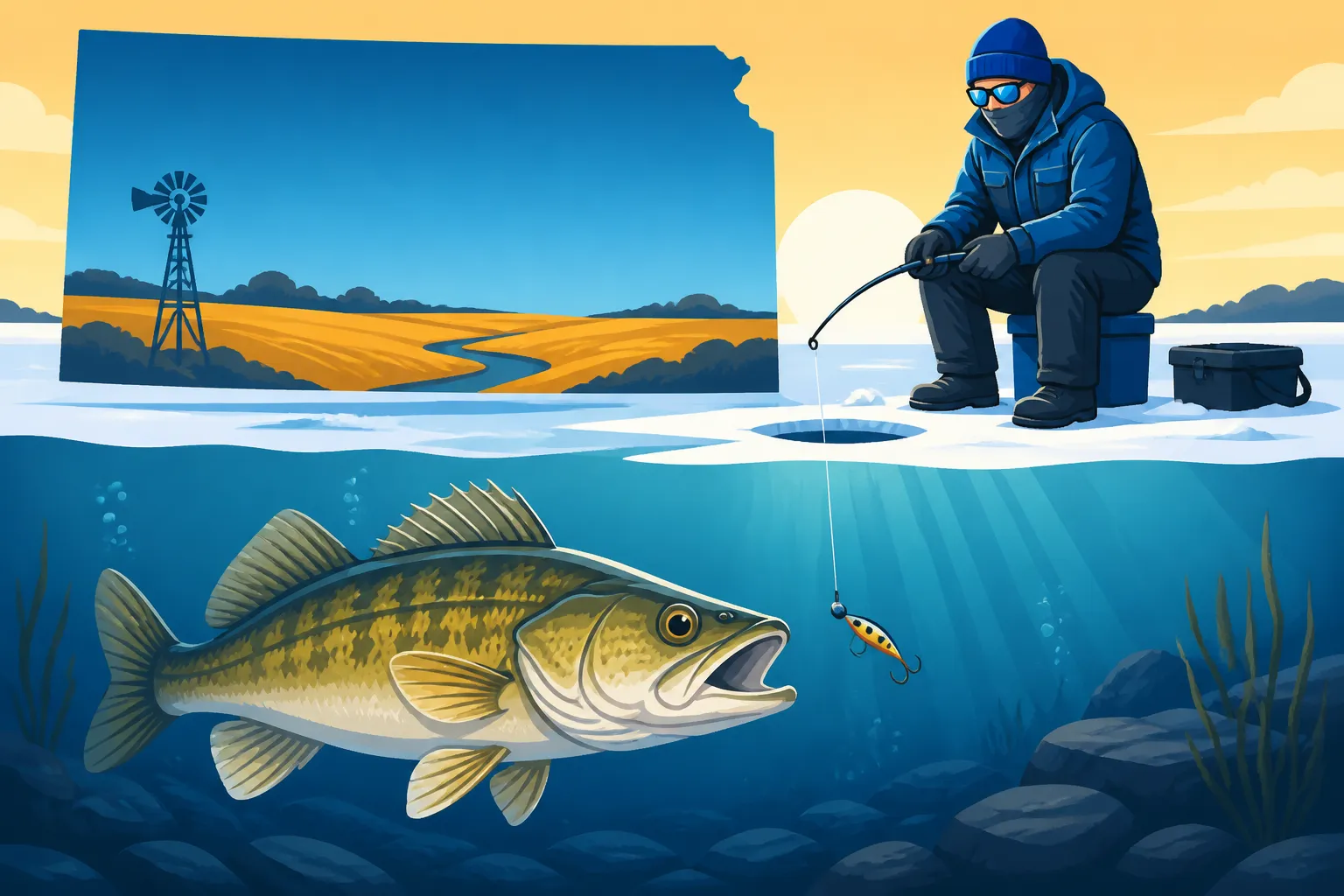
Walleye are often one of the prime targets for cold water anglers in Kansas. They congregate in deep water and along structure, making them predictable if you can find them. The "one-cast" mentality I mentioned earlier is particularly true for walleye. Once you locate a school, they often won't move much, allowing you to pick them off.
Look for walleye on deep rock piles, underwater humps, and the edges of creek channels in larger reservoirs like Milford Lake or Wilson Lake. Vertical jigging with blade baits or heavy spoons directly over these schools is incredibly effective. Sometimes, a slow-trolled suspending jerkbait along a contour line can also entice a strike. Remember, the bite will be subtle – a slight tic or just added weight on your line. You might have to spend time exploring different depths and structures with your electronics, but once you find them, the action can be phenomenal. The Kansas Walleye Fishing Techniques guide provides more in-depth strategies that can be adapted for colder months.
Crappie: Locating the Winter Schools
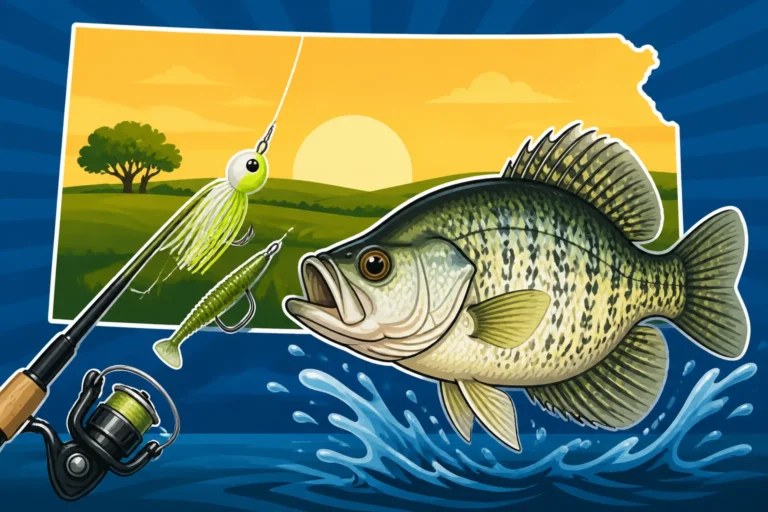
Crappie are another popular cold water species, and they are notorious for schooling up tightly in winter. This makes them challenging to locate, but once you do, you can often catch multiple fish from the same spot. They frequently suspend over deep-water structure, such as brush piles, standing timber, or even in the deeper bends of creek channels.
Small jigs (1/32 to 1/16 ounce) tipped with a minnow or a small soft plastic are go-to baits. Vertical jigging or "tight-lining" your bait right in the heart of the school is key. Your electronics become invaluable for locating these suspended schools. If you find one, mark it on your GPS and work it thoroughly. Often, the bigger crappie will be lower in the school, so be prepared to adjust your depth. The Kansas Crappie Length and Bag Limits are important to know here, as you might find yourself with a pile of fish if you hit the motherlode! A lot of anglers find their favorite crappie jigs and minnow buckets on Amazon for convenience.
Catfish in Cold Comfort: When They Do Bite
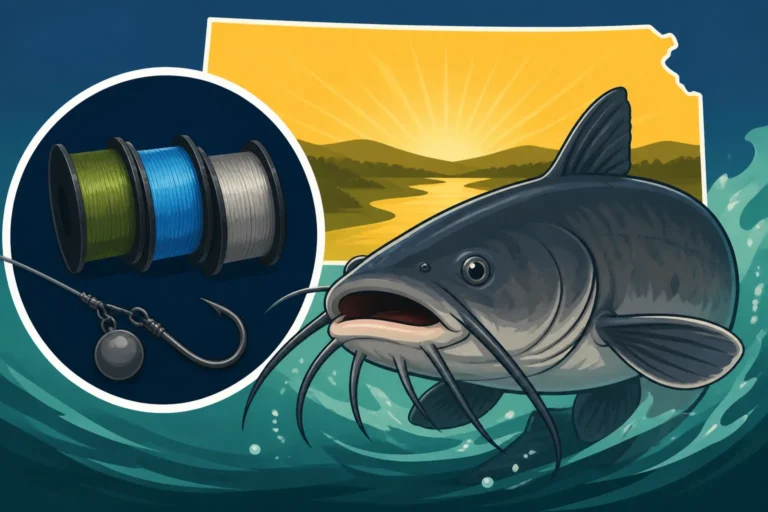
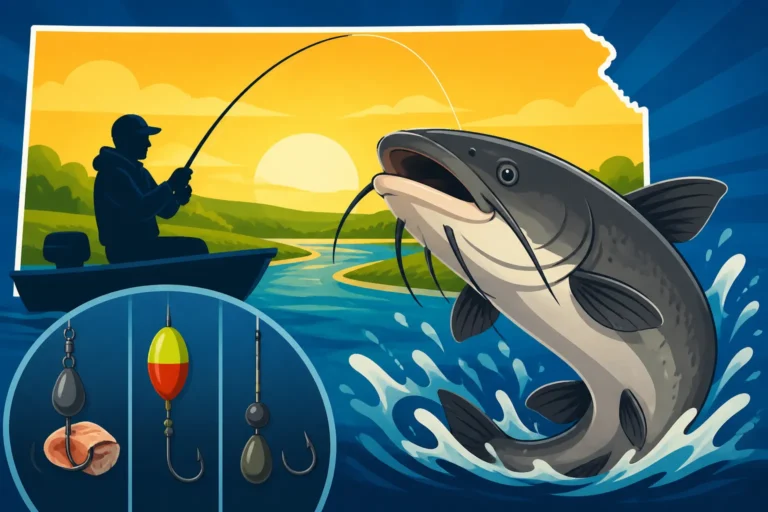
Many anglers assume catfish shut down completely in winter, but that's not entirely accurate. While their activity significantly decreases, particularly for species like channel cats, larger blue and flathead catfish can still be caught, especially in the deeper stretches of rivers and reservoirs. They’ll usually be holding in the deepest holes or slow-moving currents.
Forget the stink bait and active presentations of summer. In cold water, natural, potent baits are often the most effective. Fresh cut bait, like shad or carp, fished on the bottom with a simple Carolina rig, is a solid choice. Flatheads, known for their preference for live bait, might still take a slowly presented live minnow or sunfish in a deep hole. The key here is patience. You might wait a long time for a bite, but when it comes, it's often a substantial fish. Understanding Kansas Catfish Daily Limits is important, especially if you're targeting those larger winter giants.
Remember, cold water fishing in Kansas is a marathon, not a sprint. Patience, precise presentations, and a good understanding of fish behavior will put you ahead of the game and help you enjoy the solitude and reward that winter angling can offer.
Disclaimer
This article is for general informational purposes only and does not constitute professional advice. Laws, prices and regulations vary by location and change over time. Consult a qualified professional for guidance on your specific situation.