Kansas Channel Catfish Facts and Limits
If you've ever cast a line into a Kansas lake or river, chances are you've had channel catfish on your mind. They're one of the most popular game fish across the state, and for good reason—they're abundant, put up a great fight, and taste delicious. But navigating all the rules, finding the right spots, and knowing the best ways to catch them can feel a bit overwhelming, especially if you're new to the game or just looking to improve your odds. This guide is here to unravel all the mysteries surrounding Kansas channel catfish, from identification and habitat to the specific regulations you need to follow and the most effective techniques to get them on your stringer.
Understanding Channel Catfish in Kansas
The channel catfish is an iconic species in Kansas, deeply ingrained in the state's angling culture. They’re recognizable, widespread, and a fantastic target for anglers of all skill levels. Understanding what makes them tick—how they look, where they live, and what they eat—is the first step toward consistent success.
Distinguishing Features and Appearance
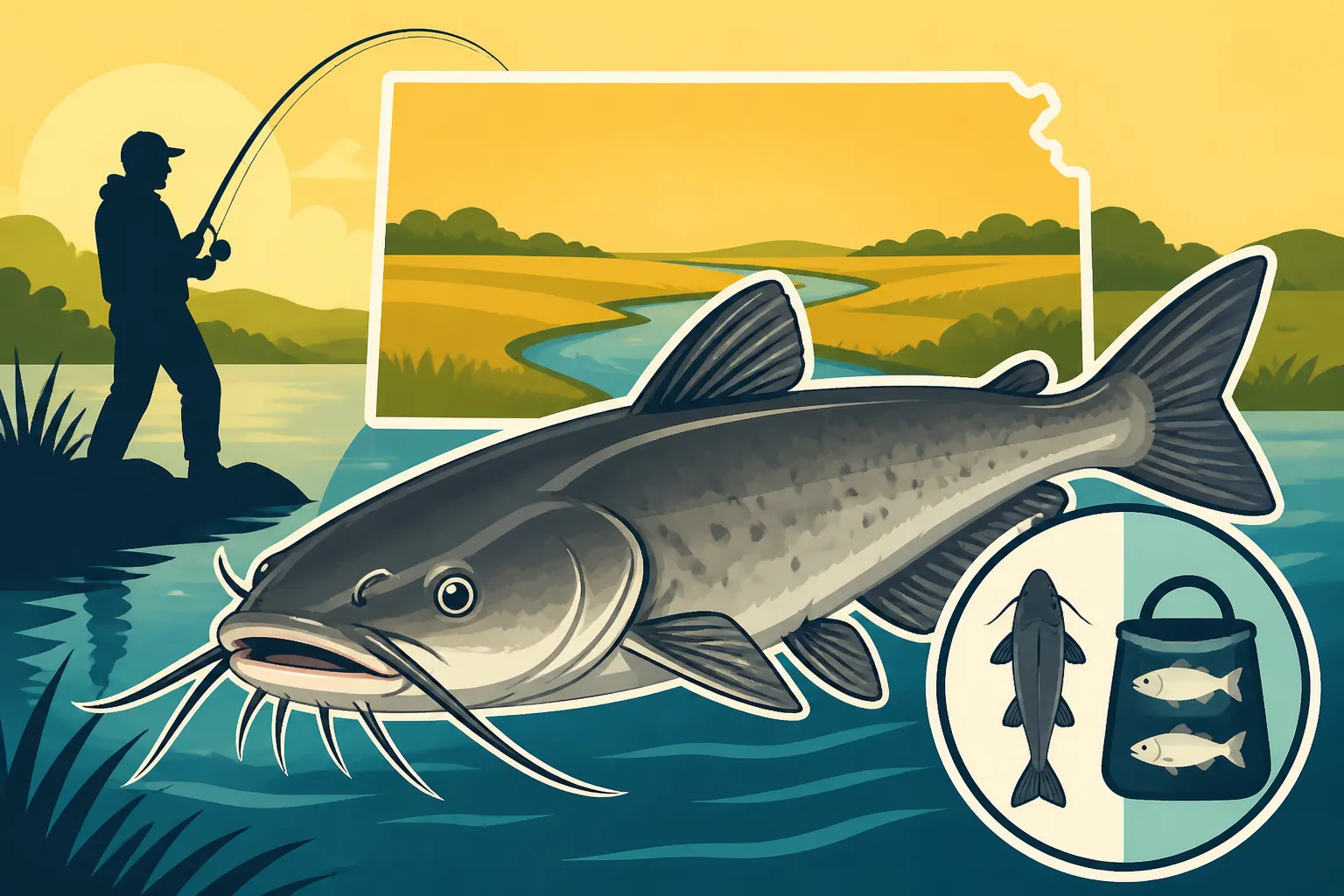
Channel catfish are often confused with other catfish species like blue catfish or flathead catfish, but they have distinct characteristics that make them stand out. Their bodies are generally slender and elongated, with a deeply forked tail fin—this is a key identifier. Their coloration can vary, but typically ranges from olive-brown to slate-gray on the back, fading to silvery-white on the belly. Younger channel cats often have scattered black spots along their sides, which tend to fade as they mature. They possess eight barbels around their mouth, which are highly sensitive sensory organs used for detecting food in murky water. These barbels are often a bit longer and more prominent than those found on bullheads.
Another notable feature is their smooth, scale-less skin, which gives them a slick feel. Unlike bullheads, their heads are relatively small in proportion to their bodies, and their mouths are subterminal, meaning they open slightly underneath the snout, perfectly adapted for bottom feeding. Knowing these details can help you correctly identify your catch and ensure you’re adhering to the proper regulations, especially when Channel Catfish vs Blue Catfish Identification can be tricky for beginners.
Preferred Habitats and Behavior
Channel catfish are incredibly adaptable, which is why they thrive in such a wide variety of Kansas waters. They prefer warmer water temperatures and can tolerate a range of conditions, from clear lakes to muddy rivers. You'll typically find them in deeper pools of rivers, along the channels and submerged creek beds in reservoirs, and in the deeper sections of farm ponds. They love areas with structure: submerged timber, brush piles, rock formations, and even old tires provide cover and ambush points for foraging. They are primarily nocturnal feeders, meaning they are most active from dusk through dawn, but can be caught throughout the day, especially during overcast conditions or in turbid water.
Their behavior shifts with the seasons. In spring, as water temperatures rise, they move into shallower areas to spawn, often in secluded spots with rocky crevices or undercut banks. During summer, they seek out deeper, cooler water during the day, moving into shallower feeding flats at night. In fall, they feed heavily in preparation for winter, often becoming quite active. They become much less active in winter, retreating to deeper holes. Understanding these seasonal movements is crucial for successful angling, a topic often explored in Kansas Catfish Fishing Techniques.
Diet and Feeding Habits
Channel catfish are opportunistic omnivores, meaning they'll eat just about anything they can get their barbels on. Their diet is incredibly varied, reflecting their adaptability and their role as bottom feeders and scavengers. Juveniles primarily consume insect larvae, small crustaceans, and plant matter. As they grow, their diet expands to include small fish, crayfish, worms, mussels, and even aquatic vegetation. They are particularly drawn to strong-smelling baits because of their keen sense of smell, which is highly developed for detecting food in low-visibility environments. This is why baits like cut bait, prepared "stink baits," and even cheese are so effective.
Their feeding habits are often dictated by water temperature and oxygen levels. In warmer water, their metabolism increases, making them more aggressive feeders. During periods of high flow in rivers, they'll often position themselves behind obstructions, waiting for food to be washed downstream. In lakes, they'll cruise the bottom, using their barbels to "taste" and "smell" for prey. This diverse diet and feeding strategy is part of what makes them such a popular and reliable target for anglers across Kansas, with many common food sources discussed further in What Channel Catfish Eat Lakes.
Where to Find Channel Catfish in Kansas
One of the great things about channel catfish is how accessible they are across Kansas. You don't always need a fancy boat or expensive gear to find them; they thrive in a diverse range of aquatic environments. Knowing where to focus your efforts can significantly improve your chances of a successful outing.
Major Reservoirs and Lakes
Kansas is dotted with numerous large reservoirs and state fishing lakes, and almost all of them hold healthy populations of channel catfish. Lakes like Milford, Cheney, Tuttle Creek, and El Dorado are perennial favorites. In these larger bodies of water, channel catfish often congregate around structure. Look for submerged roadbeds, old creek channels, brush piles, rock reefs, and points that drop off into deeper water. The inflow areas, especially during periods of rain or higher flow, can be hotspots as well, as baitfish and food sources are washed into the main lake.
When fishing reservoirs, targeting the lower half of the water column or directly on the bottom is usually your best bet. Even during the day, channels will often retreat to deeper, cooler water, venturing shallower only after dark or during low-light conditions. Many anglers have great success drifting cut bait over main lake points or anchoring on channel edges and fan-casting multiple lines. Exploring Best Catfish Lakes in Kansas will give you a detailed breakdown of top spots and specific recommendations.
Rivers and Smaller Waterways
Kansas rivers, from the mighty Kansas River to smaller tributaries, are prime territory for channel catfish. Rivers offer unique challenges and opportunities compared to lakes. Catfish in rivers are often structure-oriented, seeking refuge from the current and ambush points for food. Look for deep holes, log jams, undercut banks, and current seams where slower water meets faster currents. Below dams and spillways can also be fantastic spots, as the churning water disorbs food and oxygen.
Bank access is often plentiful along rivers, making it a popular choice for many anglers. When fishing rivers, understanding the current is key. Use enough weight to hold your bait on the bottom without it washing away too quickly. During low-water periods, focus on the deepest pools. After a rain, the fresh influx of muddy water can turn on the bite, drawing catfish into newly flooded areas or along the edges of the main channel. For specific hotspots and tips, check out Kansas River Catfish Spots.
Farm Ponds and Community Lakes
Don't overlook the smaller, more intimate waters like farm ponds and community fishing lakes. These often-overlooked gems can hold surprisingly large and numerous channel catfish, especially those that are regularly stocked by the Kansas Department of Wildlife, Parks, and Tourism (KDWP). Farm ponds, in particular, often have less fishing pressure and offer excellent bank access. The key is to find ponds that are well-maintained and have adequate depth and structure, such as submerged trees or brush.
For smaller lakes and ponds, channel catfish will still seek out deeper areas during the day, often near the dam or any available structure. At night, they’ll cruise the shallower edges looking for an easy meal. Many community lakes are specifically managed for family fishing, making them ideal places to introduce kids to the joys of catching catfish. Before you fish private ponds, always make sure you have permission from the landowner, as outlined in Fishing Rules for Private Ponds in Kansas. Some community lakes might also have specific rules, so always check local signage or the KDWP website.
Kansas Regulations and Limits for Channel Catfish
Adhering to fishing regulations is not just about avoiding fines; it's about preserving the incredible fishing resources Kansas has to offer for future generations. The Kansas Department of Wildlife, Parks, and Tourism (KDWP) sets specific rules for channel catfish to ensure sustainable populations. Always consult the most current KDWP fishing regulations summary before heading out, as rules can change.
Statewide Daily Creel Limits
For channel catfish in Kansas, there is typically a statewide daily creel limit. This limit dictates the maximum number of channel catfish you can keep in a single day. These limits are put in place to prevent overfishing and maintain healthy breeding populations. While these limits are generally quite generous for channel catfish compared to some other species, they are crucial for conservation. For instance, the general statewide daily creel limit for channel catfish is usually 10 fish. However, it's absolutely vital to remember that some specific bodies of water might have special regulations that differ from the statewide rule. These "special regulations" can be more restrictive, sometimes reducing the daily limit or imposing length limits on certain lakes or rivers.
Before you even tie a knot, make sure to check the specific regulations for the particular lake, pond, or river you plan to fish. You can usually find this information on the KDWP website or in their annual fishing regulations summary, which is a fantastic resource for all anglers. Staying informed ensures you're a responsible angler and helps maintain the fish populations we all enjoy. For a broader overview of regulations, you'll want to review Kansas Daily Creel Limits by Species.
Understanding Length Regulations
While channel catfish don't always have a statewide minimum length limit, certain waters might implement specific size restrictions, often as part of a "slot limit" or "protected length range." A slot limit means you can keep fish below a certain size and/or above another, but fish within a specific "slot" (e.g., between 18 and 24 inches) must be released. The purpose of these length limits is usually to protect larger, spawning-size fish, allowing them to reproduce and grow, thus enhancing the population structure. If there are no specific length limits for channel catfish on your chosen waterbody, then the general statewide daily creel limit applies without restriction on size, as long as the fish are of legal harvestable size for consumption (e.g., not tiny juveniles).
It's really important to distinguish between different species of catfish because length limits for blue catfish or flathead catfish can be quite different and are often more stringent. Misidentifying your catch could lead to unknowingly violating a regulation. Always have a tape measure handy if you're fishing waters with length limits, and know how to properly measure a fish (from the tip of the snout to the tip of the tail, with the fish laid flat). This information is crucial for any angler navigating Kansas Fishing Regulations Explained.
Why These Regulations Matter for the Species
These seemingly strict regulations are actually the backbone of healthy fisheries. They serve several critical purposes for channel catfish populations in Kansas. Firstly, daily creel limits prevent overharvest. If every angler kept an unlimited number of fish, even a robust species like the channel catfish could quickly see its numbers dwindle, especially in heavily pressured waters. Secondly, length limits, when applied, protect vital portions of the population. By allowing certain size classes of fish to grow and spawn, these rules ensure that there are enough mature fish to reproduce, maintaining genetic diversity and a strong future population. This concept is further explored in Why the Channel Catfish Limit Is Set Where It Is.
Beyond direct population management, regulations also play a role in ecological balance. Channel catfish are both predators and prey in various stages of their life cycle, and maintaining their numbers helps keep other aquatic species in check. They also contribute significantly to the economy through fishing tourism and license sales, funds from which often go back into conservation efforts. Responsible angling, including adhering to all regulations, is a shared responsibility that benefits everyone who enjoys the outdoors. Failure to comply can result in significant penalties, as detailed in Kansas Fishing Law Enforcement and Penalties.
Effective Techniques for Catching Kansas Channel Catfish
Catching channel catfish can be a blast, and while they're often seen as an "easy" fish to catch, having the right techniques and gear can turn a good day into a truly epic one. They are responsive to a variety of methods, which makes them a versatile target for almost any angler.
Best Baits and Rigs
When it comes to channel catfish, the nose knows! Their incredible sense of smell means pungent, natural baits are usually king. Here’s a breakdown of some of the most effective options:
- Cut Bait: Shad, carp, sunfish, or even hot dogs cut into chunks are fantastic. The blood and oils disperse in the water, creating an irresistible scent trail. Fresh cut bait is almost always superior to frozen.
- Prepared "Stink" Baits: These come in various forms (dips, doughs, chunks) and are specifically designed to have a strong odor. Popular brands are readily available at bait shops, and you can even find a wide selection on Amazon if you're stocking up for a season of fishing. Just be prepared for the smell!
- Worms: Nightcrawlers or even smaller garden worms are always a reliable choice, especially for smaller channel cats or when fishing in clear water.
- Liver: Chicken liver is a classic for a reason. It's inexpensive, readily available, and incredibly bloody and stinky—all things channel cats love. It can be soft, so threading it on a hook or using a treble hook is common.
- Shrimp: Raw shrimp, especially those that have been allowed to sit out for a bit (don't worry, the cats love it!), can be very effective.
For rigging, a simple Carolina rig is hard to beat. This involves a sinker (egg sinker or bullet sinker) sliding freely on your main line, followed by a swivel, and then a leader (12-24 inches) tied to your hook. This allows the fish to pick up the bait without feeling the weight of the sinker. A Santee Cooper rig is similar but includes a small float on the leader above the hook to lift the bait slightly off the bottom, making it more visible and keeping it out of muck. For the hook, a circle hook is highly recommended; sizes ranging from 2/0 to 6/0 are common. Circle hooks are designed to hook fish in the corner of the mouth, making for easier releases and reducing gut-hooking. Knowing the Best Bait for Kansas Catfish is half the battle!
Seasonal Fishing Strategies
Channel catfish behavior changes with the seasons, so adjusting your approach is key:
- Spring: As water temperatures rise into the 60s, channel cats become very active. They move shallower for spawning, often near rocky areas, riprap, or woody debris. Targeting these shallower structures with cut bait or worms can be highly productive. This is a great time to fish near creek mouths or feeder streams in reservoirs.
- Summer: This is peak time for many catfish anglers. While they might retreat to deeper, cooler water during the heat of the day, nights are prime time. Kansas Summer Catfish Fishing Tips include fishing submerged humps, river bends, and main lake points in reservoirs after sunset. Drifting with cut bait or anchoring with stink bait are excellent strategies. Look for areas with current if fishing rivers, as it concentrates food and oxygen.
- Fall: As water temperatures cool, channel cats will feed aggressively to fatten up for winter. They can be found in similar locations to summer, but often more active throughout the day as well as night. Focus on creek channels and main lake points.
- Winter: Fishing for channel catfish in winter can be slower, but it's not impossible. They'll congregate in deep holes in rivers and the deepest basins of lakes, becoming less active. Using smaller baits and a slower presentation, allowing the bait to sit for longer periods, can entice a bite.
Bank Fishing vs. Boat Fishing Approaches
Both bank fishing and boat fishing offer fantastic opportunities for channel catfish, each with its own advantages:
- Bank Fishing: Many excellent channel catfish spots are accessible from the bank. Rivers, smaller state fishing lakes, and community ponds are ideal for this. Look for access points near deep holes, log jams, or areas where the bank drops off quickly. You don't need a lot of gear: a sturdy rod and reel, a selection of hooks, sinkers, and bait are often enough. Casting multiple lines from different angles can help you cover more water. For those starting out, a good general purpose Best Rod and Reel Combo for Catfish found on Amazon can get you going without breaking the bank. Don't forget to pack a comfortable chair and perhaps a headlamp for night fishing! This approach is detailed in How to Catch Channel Catfish From the Bank.
- Boat Fishing: Having a boat opens up access to vast stretches of reservoirs and rivers, allowing you to reach offshore structures, deeper channels, and secluded areas that bank anglers can't reach. Techniques like drifting with the current or wind, or anchoring on a specific spot like a submerged creek bed, become possible. Fish finders are invaluable for locating these structures and concentrations of fish. Trolling motor technology has advanced significantly, making it easier to hold your position or slowly drift along contours. Ensure you have the appropriate Best Line Weight for Kansas Catfish for both techniques to prevent break-offs on larger fish or snags.
Preparing Your Channel Catfish Catch
So, you've landed a few nice channel cats—congratulations! Now comes the next step: preparing them for the dinner table. Channel catfish are renowned for their delicious, mild, and flaky white meat, making them a fantastic culinary prize. Proper cleaning and cooking methods will ensure you get the most out of your catch. Is channel catfish good to eat? The answer is a resounding yes!
Cleaning and Filleting Tips
Cleaning a catfish might seem intimidating due to their slippery, scaleless skin and sharp spines, but with a few tips and the right tools, it's quite manageable.
- Safety First: Always be mindful of the sharp pectoral and dorsal fins. These can inflict a painful puncture wound. A good pair of heavy-duty gloves can offer protection.
- Tools: You'll need a sharp fillet knife, a sturdy cutting board, and possibly a pair of pliers for removing skin or a skinning tool. You can find excellent, dedicated fillet knives on Amazon, designed specifically for ease of use.
- The "Skinning" Method: Many anglers prefer to skin channel catfish rather than scale them.
- Start by making a shallow cut just behind the head, going all the way around the fish but not cutting through the backbone.
- With pliers or a dedicated fish skinner, grab the skin firmly at the top of the cut near the dorsal fin and pull it towards the tail. It might take a strong pull, but the skin should peel off in one piece. Repeat on the other side.
- Once skinned, you can either clean the fish whole (gutting it) or proceed to fillet.
- Filleting: If you prefer boneless fillets:
- After skinning (or even before, if you're skilled), lay the fish on its side. Make a cut behind the gill plate, down to the backbone.
- Turn your knife flat and run it along the backbone towards the tail, separating the fillet from the rib cage.
- Carefully cut the fillet free. You can then remove any remaining rib bones or belly fat if desired. Rinse your fillets in cold water and pat them dry.
Best Cooking Methods
Channel catfish are incredibly versatile in the kitchen. Their firm, white flesh holds up well to various cooking methods.
- Frying (The Classic): This is arguably the most popular way to enjoy channel catfish.
- Cut your fillets into smaller pieces (nuggets or strips).
- Dip them in an egg wash or milk, then dredge generously in a seasoned cornmeal or flour mixture. Many anglers have their secret blend of spices!
- Fry in hot oil (vegetable, peanut, or canola) at around 350-375°F (175-190°C) until golden brown and flaky, usually 3-5 minutes per side, depending on thickness.
- Serve hot with hushpuppies, coleslaw, and tartar sauce.
- Grilling/Broiling: For a healthier option, grilling or broiling works wonderfully.
- Marinate fillets in lemon juice, olive oil, and your favorite herbs and spices for at least 30 minutes.
- Grill on medium-high heat or broil for 4-7 minutes per side, until the fish flakes easily with a fork. Be careful not to overcook, as catfish can dry out.
- Baking: Baked catfish is another simple and healthy alternative.
- Place seasoned fillets on a baking sheet. You can top them with butter, breadcrumbs, or a vegetable medley.
- Bake at 375°F (190°C) for 15-20 minutes, or until cooked through and flaky.
- Stew/Soup: The rich flavor of channel catfish also lends itself well to stews or gumbos. Use larger chunks of fish in a flavorful broth with vegetables and spices. This is a great way to use up a larger catch, and the flavor melds wonderfully with a variety of ingredients.
No matter your chosen method, fresh channel catfish is a true delight.
Conservation and the Future of Kansas Channel Catfish
While channel catfish are abundant and resilient, responsible angling and robust conservation efforts are vital to ensure their continued presence and prosperity in Kansas waters. The future of this beloved fish species relies on both proactive management and the actions of individual anglers.
Stocking Programs in Kansas
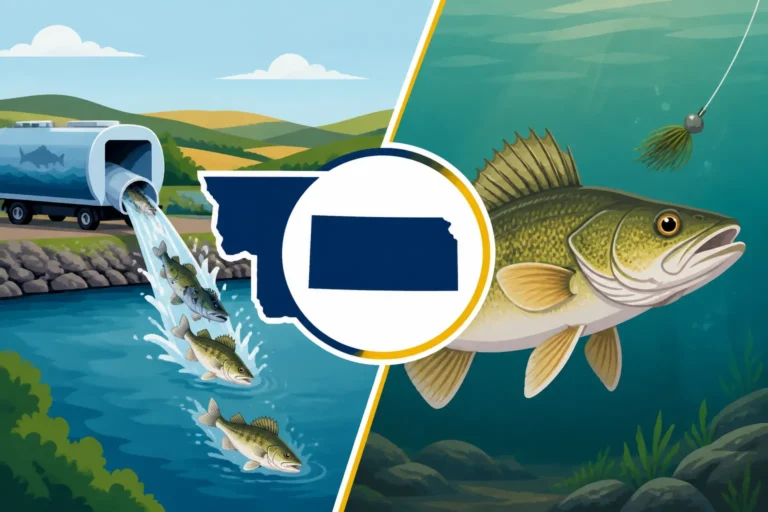
The Kansas Department of Wildlife, Parks, and Tourism (KDWP) actively manages and enhances channel catfish populations throughout the state through extensive stocking programs. These programs are particularly crucial in smaller impoundments, community fishing lakes, and ponds where natural reproduction might be limited, or where fishing pressure is high. Thousands of channel catfish fingerlings and even larger catchable-size fish are stocked annually into various public waters. These stocking efforts help maintain robust populations, provide consistent angling opportunities, and supplement natural reproduction in larger reservoirs and rivers.
The KDWP carefully monitors these stocked populations to assess growth rates, survival, and angler harvest to ensure the programs are effective. This commitment to stocking is a testament to the importance of channel catfish as a recreational resource in Kansas. These efforts ensure that even in highly urbanized areas or smaller bodies of water, anglers have a good chance of encountering channel cats.
Practicing Catch and Release
While channel catfish are excellent table fare and many anglers enjoy harvesting them, practicing selective catch and release is a cornerstone of good conservation. This doesn't mean you should never keep a fish; rather, it means making informed decisions about which fish to keep and which to release. Consider releasing the largest channel catfish, often referred to as "brood stock." These larger, older fish are vital for successful reproduction and contribute significantly to the genetic health of the population. By releasing them, you're ensuring they have more opportunities to spawn and pass on their strong genes.
Smaller, pan-sized channel cats (often 1-3 pounds) are generally excellent for eating and can be harvested within legal limits. When practicing catch and release, handle fish carefully. Minimize their time out of the water, support their body weight, and use circle hooks whenever possible, as they significantly reduce the chance of gut-hooking, leading to higher survival rates for released fish. A gentle release back into the water gives that fish a fighting chance to thrive again.
| Feature / Aspect | Channel Catfish | Blue Catfish | Flathead Catfish |
|---|---|---|---|
| Tail Fin | Deeply forked | Deeply forked | Square or slightly notched |
| Coloration | Olive-brown to slate-gray, often with spots | Blue-gray, no spots | Mottled brown/yellow/olive, distinct patterns |
| Head Shape | Relatively small, slender | Large, broad, humped appearance | Broad, flattened |
| Mouth | Subterminal (opens slightly below snout) | Subterminal | Terminal (opens at end of snout) |
| Barbels | 8 prominent barbels, often long | 8 barbels, shorter than channel cats | 8 barbels, shorter, darker than body |
| Skin | Smooth, scaleless | Smooth, scaleless | Smooth, scaleless |
| Diet Preference | Omnivorous (cut bait, stink bait, worms) | Primarily piscivorous (live/cut fish) | Exclusively piscivorous (live fish preferred) |
| Typical Habitat | Varied: lakes, rivers, ponds, varied structure | Large rivers, reservoirs, deep channels, current | Rivers, heavy cover (logs, brush), deep pools |
| Max Size Potential | Up to 40+ lbs (smaller average in KS) | Can exceed 100 lbs (largest KS catfish) | Can exceed 100 lbs (trophy potential in KS) |
Disclaimer
This article is for general informational purposes only and does not constitute professional advice. Laws, prices and regulations vary by location and change over time. Consult a qualified professional for guidance on your specific situation.