State Record Crappie Weight
You've been out on the water, felt that distinct thump on your line, and reeled in a crappie that made your jaw drop. Suddenly, a thought sparks: "Could this be a state record?" It's a question many Kansas anglers ponder, especially when they land a truly exceptional specimen. This guide is dedicated to exploring the magnificent world of trophy crappie in Kansas, specifically delving into what it takes to catch a state record, the current benchmarks, and how you might just etch your name into the record books.
Unveiling the Kansas State Record Crappie
For many anglers, the pursuit of a state record isn't just about the glory; it's about connecting with nature, understanding the fish, and pushing their skills to the limit. Kansas, with its diverse waterways, has produced some truly incredible crappie over the years. Knowing the current records provides a benchmark and ignites the competitive spirit in all of us.
The Current Record Holders
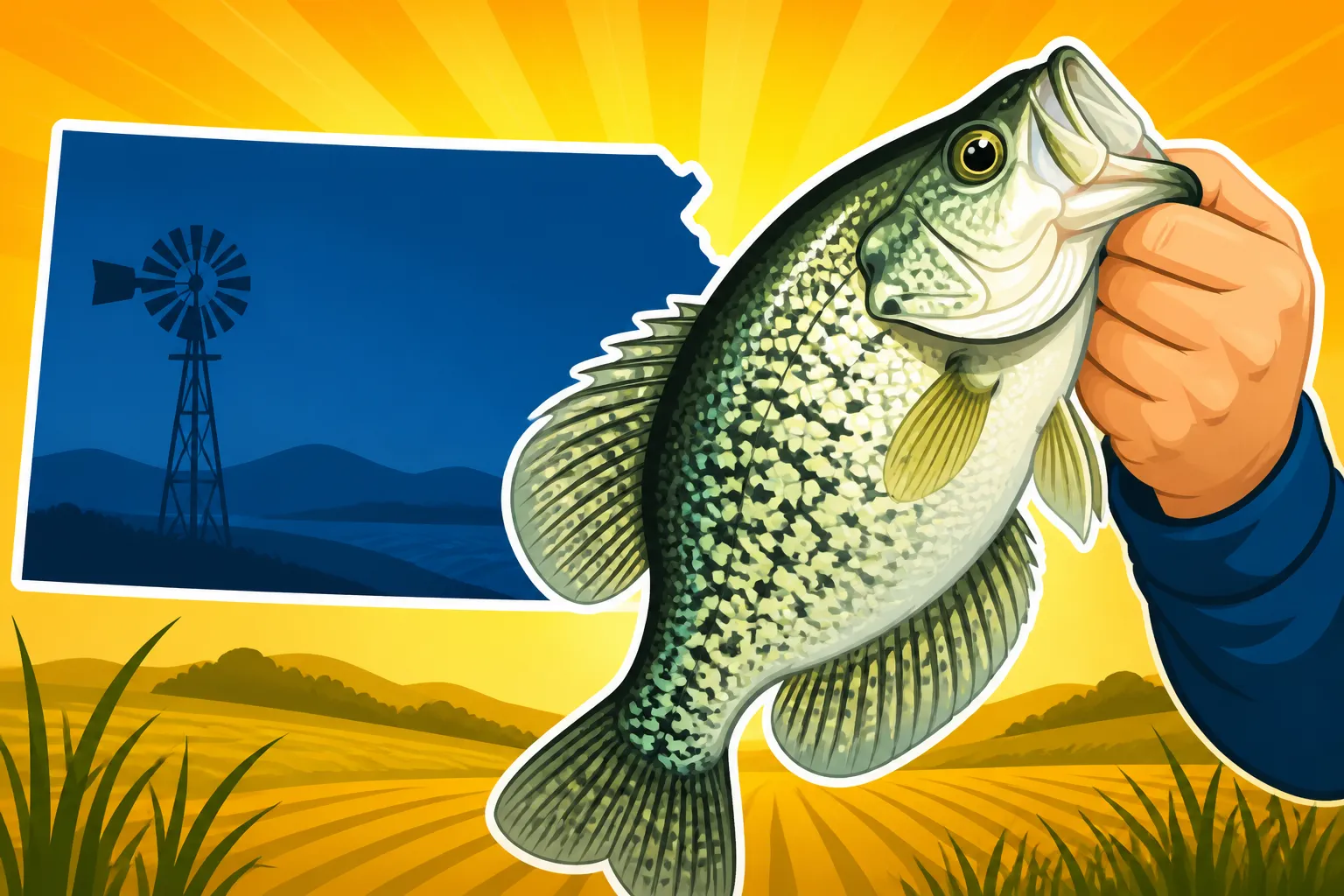
Kansas officially recognizes two species of crappie: the White Crappie and the Black Crappie. While often mistaken for one another, they are distinct species with their own unique characteristics and, of course, their own state records. It’s important to know which one you’ve caught, as it determines which record you might be chasing.
The White Crappie holds the current state record for its species, weighing in at an impressive figure. Imagine the excitement of reeling in a fish of that caliber! This particular fish was caught in a private pit lake, a reminder that trophy fish can sometimes come from unexpected places, not just the massive reservoirs. The Black Crappie record, also a substantial catch, was pulled from a different lake, showcasing the potential across various Kansas waters. These records aren't just numbers; they represent countless hours of dedication, skill, and a little bit of luck from the anglers who landed them. They also speak volumes about the health and vitality of our state's fisheries. If you're looking for more general information on these fantastic fish, our Kansas Crappie Fishing Guide is a great resource.
The Thrill of Chasing a Record
There's a special kind of thrill that comes with chasing a state record. It's not just about landing a big fish; it's about the entire journey. It’s the early mornings, the late nights, the meticulous study of patterns, and the constant refinement of techniques. Many anglers spend years, even decades, honing their craft, specifically targeting the larger, older fish that have survived multiple seasons. It requires patience, persistence, and an unwavering belief that the next cast could be the one. When you're out on a lake known for producing big crappie, like say, Milford Lake Crappie Fishing, every bite feels a little bit more significant, every fight a little more intense. It’s a dream that keeps many of us coming back to the water, season after season, hoping to connect with that one fish that might just make history.
What Makes a Crappie a True Trophy in Kansas?
Understanding what constitutes a "trophy" crappie goes beyond just its weight. It involves knowing the species, understanding their habitat, and appreciating the conditions that allow them to grow to an exceptional size. Kansas has excellent crappie fishing, but consistently finding the true giants requires a deeper understanding.
Understanding Kansas Crappie Species
As mentioned, Kansas is home to both White and Black Crappie. While both are fantastic sport fish and delicious table fare, they have subtle differences that can impact their growth potential and where you might find them.
- White Crappie: Generally, White Crappie tend to be a bit more tolerant of turbid (cloudy) water and can often be found in larger, more open water areas of reservoirs and rivers. They are identified by their vertical bars on their sides and typically have 5 or 6 dorsal spines. These fish can grow quite large, and it's often a White Crappie that takes the top spots in terms of sheer weight for record books. To learn more about identifying these beauties, check out Kansas White Crappie Identification.
- Black Crappie: Black Crappie, on the other hand, prefer clearer water with more vegetation and structure. They have an irregular pattern of dark spots rather than distinct bars and typically boast 7 or 8 dorsal spines. While they might not always reach the absolute heaviest weights of their white crappie cousins, they are still capable of growing into impressive specimens and offer a thrilling fight on light tackle. For a deeper dive, read our article on Kansas Black Crappie Identification.
Recognizing these differences is crucial not only for understanding the record books but also for tailoring your fishing approach. A spot perfect for White Crappie might not be ideal for Black Crappie, and vice-versa.
Factors Influencing Crappie Growth and Size
Several environmental and biological factors play a significant role in how large a crappie can grow in Kansas waters. It's not just random luck; these fish thrive under specific conditions.
- Abundant Food Source: This is perhaps the most critical factor. Lakes and reservoirs with a healthy population of baitfish, like shad or minnows, provide crappie with the nutrition they need to grow rapidly and reach larger sizes. A rich forage base means less competition for food among crappie, allowing individuals to pack on the pounds.
- Water Quality and Habitat: Clear, well-oxygenated water with plenty of submerged structure (brush piles, timber, rock formations) provides ideal conditions for crappie to live, feed, and avoid predators. Healthy aquatic vegetation also contributes to a thriving ecosystem. Lakes with consistent water levels and good water quality generally produce bigger fish.
- Genetics: Like any species, some crappie simply have the genetic predisposition to grow larger than others. While you can't control genetics, you can focus on fishing bodies of water that are known for producing larger crappie, suggesting a good gene pool.
- Fishing Pressure and Management: Heavily fished lakes might see smaller average sizes if anglers are consistently removing larger fish. Well-managed lakes, often with specific length and bag limits, help protect trophy-sized fish, allowing them to grow older and larger. Kansas has specific Kansas Crappie Length and Bag Limits designed to help manage fish populations, which are always worth reviewing.
The Path to a Potential State Record
Catching a crappie of state record caliber isn't an everyday occurrence. It demands a focused approach, strategic thinking, and precise execution. It's about targeting the giants, not just the numbers.
Strategies for Targeting Giant Crappie
Landing a record-breaker often means shifting your focus from catching a lot of fish to catching the right fish. These larger crappie behave differently and require specialized tactics.
- Seek Out Older, Deeper Structure: While smaller crappie might be found shallower, especially during the spawn, the true monsters often hold in deeper water around substantial structure. Look for sunken timber, old roadbeds, creek channels, or brush piles in 15-30 feet of water, depending on the season and lake. These areas offer cover, ambush points, and access to deeper, cooler water in summer or warmer water in winter. Using a good fish finder, perhaps one you can find on Amazon, can be invaluable for identifying these subtle underwater contours and hidden havens.
- Larger Baits and Lures: It sounds simple, but bigger fish often want bigger meals. Don't be afraid to use larger minnows (3-4 inches) or bigger jigs (1/8 to 1/4 ounce) when targeting trophy crappie. While smaller baits will catch more fish, a larger profile can entice that wary, dominant crappie to strike. Try tipping a larger jig with a minnow for an irresistible offering. Many anglers swear by the combination for Best Bait for Kansas Crappie.
- Slow and Steady Wins the Race: Trophy crappie are often less aggressive than their smaller counterparts. They are older, wiser, and have seen more lures. A very slow, deliberate presentation is often key. Whether you're vertical jigging, slow trolling, or casting, take your time. Let the bait soak. Subtle twitches and pauses can often be the trigger. Precision jigging is a fantastic way to present your lure in the strike zone for an extended period, so familiarize yourself with Jigging Techniques for Kansas Crappie.
- Time of Year and Day: While crappie can be caught year-round, specific seasons and even times of day can be more productive for trophy fish. Spring during the pre-spawn and spawn can see large females moving shallower to feed heavily. Fall, as water temperatures drop, also sees crappie feeding aggressively. During summer, night fishing can be highly effective as larger crappie move shallower under the cover of darkness. Kansas Fishing Seasons Guide provides a great overview of when different species are most active.
The Official State Record Verification Process
So, you've caught a fish that looks like a contender. What now? There's a specific, official process to verify a state record in Kansas. You can't just snap a picture and send it in!
- Know the Rules Immediately: The Kansas Department of Wildlife, Parks and Tourism (KDWP) has very clear guidelines for submitting state record fish. The first and most critical step is to be aware of these before you even go fishing. This includes understanding the specific requirements for weighing, measuring, and photographing the catch.
- Official Weighing: The fish must be weighed on a certified scale, usually at a grocery store, bait shop, or marina that has a scale inspected and sealed by the Department of Agriculture. The scale must be zeroed with the container used to hold the fish. Having witnesses present is also usually a requirement.
- Accurate Measurement: Both the length (total length from tip of snout to tip of tail) and girth of the fish are typically required. These measurements should be taken carefully and accurately, ideally by an impartial witness.
- Photographic Evidence: Clear, high-resolution photographs of the fish are essential. These should show the fish clearly, along with the measuring tape and scale readings if possible. Photos from different angles are also helpful for species identification.
- Species Identification: If there's any doubt about the species (e.g., White vs. Black Crappie), a KDWP biologist may need to confirm the identification. This is especially important for crappie, as they can sometimes be difficult to distinguish at a glance.
- Submission of Application: Once all the evidence is gathered, you'll need to fill out an official state record application form from KDWP. This form will require details about the catch, location, angler information, and witness signatures.
The key takeaway here is planning. Don't wait until you catch a potential record to figure out the process. Have a plan in place – know where your nearest certified scale is, and have a good camera and measuring tape ready. It would be a heartbreaking scenario to catch a record-breaking crappie only to have it disqualified due to procedural errors.
Gear and Habits for Record-Setting Success
To consistently target and land those elusive trophy crappie, you need the right tools and the right mindset. It’s a combination of having reliable equipment and developing keen angling habits.
Essential Gear for Targeting Trophy Crappie
While crappie can be caught on a wide range of tackle, if you're serious about state record contenders, a few specialized items can give you an edge.
- Light-Action Rods and Sensitive Reels: For crappie, especially big ones, sensitivity is king. A 6 to 7-foot light or ultralight action spinning rod paired with a small, smooth spinning reel (like a 1000 or 2000 series) will allow you to feel the most subtle bites. The backbone of the rod should still be enough to handle a larger fish without breaking off.
- Light Monofilament or Braided Line: Many crappie anglers prefer 4-6 lb test monofilament for its stealth and stretch, which can prevent hooks from tearing out. Others opt for 6-8 lb braided line with a fluorocarbon leader for ultimate sensitivity and strength. The low stretch of braid allows you to feel even the slightest tap. You can often find a great selection of these on Amazon.
- Quality Jigs and Live Bait Rigs: A selection of jigs from 1/32 to 1/8 ounce, in various colors (chartreuse, white, black, pink), is crucial. Pair these with soft plastic bodies like small tubes, grubs, or crappie minnows. For live bait, focus on fresh, lively minnows. Having a selection of different hook sizes and bobber types (slip bobbers are excellent for precise depth control) will also be beneficial.
- Fish Finder and Mapping: As mentioned earlier, a quality fish finder with GPS and mapping capabilities is an absolute game-changer. It allows you to locate submerged structure, identify schools of baitfish, and spot crappie holding tight to cover. Being able to mark waypoints on your GPS and return to productive spots is critical for repeated success. Modern units can often show thermoclines and even individual fish, which is invaluable.
| Gear Item | Purpose | Key Feature for Trophy Crappie |
|---|---|---|
| Rod | Sensitivity and fight control | Light/Ultralight action, 6-7 feet |
| Reel | Smooth drag, line capacity | 1000-2000 series spinning |
| Line | Stealth, sensitivity, strength | 4-6lb mono or 6-8lb braid with fluoro |
| Jigs | Entice strikes with various profiles | 1/32 to 1/8 oz, diverse colors |
| Live Bait | Natural presentation, irresistible scent | Fresh, lively minnows (2-4 inches) |
| Fish Finder/GPS | Locate structure, fish, and navigate | High-res screen, detailed mapping |
| Measuring Board | Quick, accurate length verification | Clear markings, sturdy build |
| Certified Scale | Official weight for record submission | Calibrated, legally approved |
Prime Time and Locations for Big Crappie in Kansas
Knowing when and where to fish is just as important as how. Kansas has numerous fantastic crappie fisheries, but some stand out for their ability to produce bigger fish.
- Known Trophy Lakes: Several Kansas reservoirs have a reputation for producing larger-than-average crappie. Lakes like Milford Lake Fishing Guide, Cheney Reservoir Fishing Guide, and Wilson Lake Fishing Guide are often mentioned as top crappie destinations, not just for numbers, but for size. These larger bodies of water often have the depth, structure, and forage base to support truly giant fish.
- Seasonal Movements: Crappie are highly migratory and their locations change with the seasons and water temperature.
- Spring: During the pre-spawn and spawn (typically April-May when water temps are 55-65 degrees), crappie move shallow to spawn. Look for them around submerged brush, stumps, and docks in 3-10 feet of water. This is a prime time to catch large females.
- Summer: As waters warm, crappie often retreat to deeper, cooler water. Target main lake points, creek channels, and deep brush piles or standing timber in 15-30 feet. Night fishing can be incredibly effective during this time as they move up to feed.
- Fall: Crappie move back to shallower depths as water cools, often feeding aggressively before winter. Look for them in similar areas to spring, but often slightly deeper as they follow baitfish.
- Winter: During winter, crappie will suspend in deeper water over channels or congregating around significant structures like bridge pilings or deep brush piles. This is when Kansas Winter Trout Fishing Guide can also be a good read if you diversify your species pursuit.
- Structure is Key: Regardless of the season, crappie are almost always associated with some form of cover or structure. This provides them with ambush points for feeding, protection from predators, and comfort from extreme temperatures. Don't just cast aimlessly; use your electronics to find these hotspots. If you're fishing from the bank, look for areas with submerged timber, rock outcroppings, or even old tires that might be providing cover.
Catching a state record crappie in Kansas is a challenging but incredibly rewarding endeavor. It requires preparation, skill, and a deep understanding of these fascinating fish. By focusing on the right gear, understanding crappie behavior, and meticulously following the record verification process, you might just be the next angler to claim a spot in the Kansas fishing history books.
Disclaimer
This article is for general informational purposes only and does not constitute professional advice. Laws, prices and regulations vary by location and change over time. Consult a qualified professional for guidance on your specific situation.