Best Waders for Kansas Bank Fishing
There’s nothing quite like the feeling of having the perfect bank fishing spot in Kansas, only to find that getting to that perfect spot, or even just fishing comfortably from it, is a muddy, wet, and downright miserable experience. Trying to cast from a sludgy bank or wade out a few extra feet to reach that promising drop-off without proper gear can quickly turn a relaxing day into a test of endurance. This guide is here to help you navigate the often-challenging terrain of Kansas bank fishing by exploring the best wader options available, ensuring you stay dry, comfortable, and focused on landing that next big catch.
Why Waders are Essential for Kansas Bank Fishing
For many anglers, bank fishing feels like a simple, no-frills approach to the sport. You grab your rod, a tackle box, and head to the nearest lake, pond, or river. But anyone who's spent a fair amount of time walking the shorelines of Milford Lake, the Kansas River, or even a local community fishing lake knows that "simple" doesn't always mean "dry." A good pair of waders isn't a luxury; it's a practical necessity that can dramatically improve your fishing experience, especially here in Kansas with our diverse aquatic environments.
Overcoming Muddy Banks and Shallow Water Obstacles
Kansas shorelines, especially after a good rain or during seasonal water fluctuations, can be notoriously soft and muddy. Picture this: you've finally located a promising stretch of water, maybe a submerged log or a rocky point that's just out of casting range. Without waders, you’re either stuck casting from a less-than-ideal spot, hoping your lure reaches, or you’re risking sinking knee-deep into the muck and ending up soaked. Waders allow you to confidently step into that squishy shoreline, reach that optimal casting position, or even navigate through shallow areas where fish might be holding. This isn't just about convenience; it's about access to better fishing.
Beyond the mud, Kansas offers many diverse bank fishing opportunities, from the gentle slopes of farm ponds to the rocky edges of large reservoirs. Waders provide that crucial layer of protection, keeping you clean and dry whether you're battling the spring thaw near Clinton Lake Fishing Spots or exploring the public access points along the Kansas River Fishing Guide. They give you the freedom to explore more, worry less about getting dirty or wet, and focus on the fishing itself.
Extending Your Fishing Season and Comfort
Let's be honest, not every day in Kansas is a perfectly mild, sunny fishing day. Spring can be chilly with melting snow runoff, and fall mornings can bring a crisp bite to the air and the water. Without waders, your fishing season might be cut short, or you might find yourself shivering on the bank, regretting your attire. Neoprene waders, for instance, offer excellent insulation, making those cold-water excursions much more tolerable.
Even during warmer months, breathable waders can be a game-changer. They keep you dry from the waist down while allowing perspiration to escape, preventing that clammy, uncomfortable feeling. Imagine being able to stand in the cooling water on a hot summer day, escaping the bugs on the bank, all while staying comfortable and dry inside your waders. This extended comfort means you can spend more hours doing what you love, regardless of the weather, turning what might have been a short, uncomfortable trip into a productive and enjoyable outing. For more tips on making the most of your time on the water, check out our Kansas Fishing Seasons Guide.
Types of Waders: Understanding Your Options
When it comes to waders, it's not a one-size-fits-all situation. Different materials and designs cater to various fishing conditions and personal preferences. Knowing the distinctions between these types is crucial for making the best choice for your Kansas bank fishing adventures.
Breathable Waders for Versatility and Warm Weather
Breathable waders are, hands down, the most popular choice for many anglers, especially in Kansas where temperatures can swing wildly. Made from multi-layered synthetic fabrics like Gore-Tex or proprietary materials from brands like Simms or Patagonia, these waders excel at allowing perspiration to escape while preventing water from getting in. This "breathability" is their superpower, keeping you dry from the inside out, even when you're hiking a good distance to your favorite spot or fishing hard on a warm day.
While they don't offer much in the way of insulation on their own, their versatility is unmatched. You can layer up underneath them with fleece or thermal wear during cooler months, essentially making them adaptable for nearly year-round use. For spring walleye fishing, when the air is cool but you're working up a sweat, or on a summer evening chasing catfish, breathable waders help you stay comfortable. Just remember, since they aren't insulated, you'll need to choose your base layers carefully depending on the water temperature. This is especially true if you plan on standing in cold water for extended periods, as discussed in Best Waders for Cold Kansas Water.
Neoprene Waders for Cold Water and Insulation
If you’re primarily a cold-weather angler, or if you find yourself frequently fishing in icy streams and chilly reservoir waters during late fall, winter, or early spring, neoprene waders are your best friend. Neoprene, the same material used in wetsuits, offers fantastic insulation properties. It traps a thin layer of water against your skin (or your base layers), which is then warmed by your body heat, keeping you toasty even in frigid conditions.
Common thicknesses for neoprene waders are 3.5mm and 5mm, with 5mm offering superior warmth. While they are incredibly effective at keeping you warm, they aren't breathable. This means on warmer days or during strenuous activity, you can quickly overheat and feel clammy. However, for targeting winter trout or ice fishing from the bank (if conditions allow safe ice access), neoprene is often the only way to comfortably stay out there. Think about those crisp December mornings when Kansas Winter Trout Fishing Guide season is in full swing – neoprene waders will be a lifesaver.
Hybrid Waders: Best of Both Worlds?
Some manufacturers offer hybrid waders, attempting to combine the best aspects of breathable and neoprene materials. These often feature breathable fabric in the upper body and neoprene in the lower body, or strategic neoprene panels for added warmth in key areas like the seat and knees. The idea is to offer warmth where you need it most while still providing some level of breathability in the upper sections to prevent overheating.
While hybrid waders can be a good compromise for anglers who experience a wide range of conditions, they can also be a bit of a "jack of all trades, master of none" scenario. They might not be as breathable as pure breathable waders, nor as warm as full neoprene waders. However, for the angler who wants a single pair of waders that can handle both a cool spring morning and a mild fall afternoon without being overly bulky or clammy, a well-designed hybrid option might be worth exploring. It's all about matching the wader to your typical fishing scenario.
Key Features to Look for in Kansas Bank Fishing Waders
Choosing the right waders isn't just about material; it's about evaluating a host of features that contribute to comfort, durability, and functionality on the water. For Kansas bank fishing, where you might encounter everything from muddy riverbanks to rocky lake shores, certain features become paramount.
Material Durability and Puncture Resistance
Let’s face it, Kansas terrain isn’t always gentle. You’ll be scrambling over rocks, pushing through brush, and navigating submerged branches. The last thing you want is a wader tear that cuts your trip short. Therefore, material durability is crucial. Look for waders with reinforced knees and seat areas, often made with thicker fabric layers or abrasion-resistant patches. This extra protection can prevent snags and punctures in high-wear zones.
Beyond standard breathable materials, some brands incorporate ripstop nylon or other tough weaves into their designs. While no wader is completely puncture-proof, investing in a more robust pair will save you the headache and cost of frequent repairs. Pay attention to seam construction as well; welded seams tend to be more durable and less prone to leakage than stitched seams. The peace of mind that comes with knowing your waders can handle a bit of abuse on the bank is invaluable.
Bootfoot vs. Stockingfoot Waders
This is one of the most significant decisions you'll make when buying waders, and each type has its distinct advantages and disadvantages for bank fishing.
Bootfoot Waders: Convenience and Warmth
Bootfoot waders come with the boots permanently attached, meaning you just pull them on and go. The convenience is undeniable – no separate boots to fuss with, no gravel sneaking into your wading boots, and often, the integrated boots are insulated, adding a layer of warmth. For cold weather or quick trips where you want minimal gear setup, bootfoot waders are fantastic. They are also often preferred for very muddy conditions, as the integrated boot prevents suction issues that can pull off separate wading boots.
However, the downside is that the boots are fixed, which can make for a less precise fit. If the boots are too big, you’ll be shuffling around; if too small, you'll be uncomfortable. They also tend to be bulkier to pack and transport, and if the boot wears out or gets damaged, replacing the entire wader can be costly. For anglers who value speed and warmth, especially when dealing with muddy entry points, bootfoot waders offer an excellent solution. They're often a popular choice for situations like Ice Fishing Rules on Kansas Lakes or those chilly early spring days where you're just not quite ready for the full warmth of summer.
Stockingfoot Waders: Versatility and Customization
Stockingfoot waders have neoprene "socks" or booties at the end, requiring you to wear separate wading boots over them. This setup offers much greater versatility and a more customizable fit. You can choose wading boots that perfectly fit your feet, provide the specific ankle support you need for uneven terrain, and offer different sole types (felt for slippery rocks, rubber for mixed terrain) depending on where you're fishing.
The ability to choose your wading boots means you can optimize your footwear for specific bank conditions, whether you're navigating slick river rocks or trudging through dense shoreline vegetation. While it's an extra piece of gear to manage, many anglers prefer the enhanced comfort and traction. Just be sure to invest in quality wading boots that fit well over the neoprene socks and consider cleats or studs for extra grip. For tips on pairing them, check out Best Boots for Muddy Kansas Bank Fishing.
Insulation and Layering Options
As mentioned, insulation levels vary greatly by wader type. Breathable waders offer minimal inherent insulation, relying on your layering system to keep you warm. Neoprene waders, on the other hand, provide significant warmth due to their material thickness.
When considering insulation, think about the coldest water temperatures you expect to encounter. If you're primarily fishing in warm summer months, less insulation (or none at all, relying on breathable layers) is fine. But for those frigid Kansas winters or early spring outings, you'll want either thicker neoprene waders or breathable waders paired with robust thermal base layers. The beauty of breathable waders is their adaptability; a thin fleece layer in spring and a heavier one in fall can make them work through multiple seasons. Always consider the layering strategy, especially for full-day trips where temperatures might fluctuate.
Pockets, Accessories, and Comfort Features
Good waders go beyond just keeping you dry. Thoughtful design features can greatly enhance your fishing experience. Look for waders with a variety of pockets:
- Hand-warmer pockets: Absolutely essential for cold days, offering a quick refuge for chilled hands.
- Storage pockets: Zippered or magnetic pockets on the chest are perfect for keeping small tackle boxes, tippet spools, or your phone secure and dry.
- Internal pockets: Often waterproof, great for keys or a wallet.
Other comfort features to consider include:
- Adjustable suspenders: Crucial for a comfortable fit, ensuring the waders don’t sag or pull too tightly.
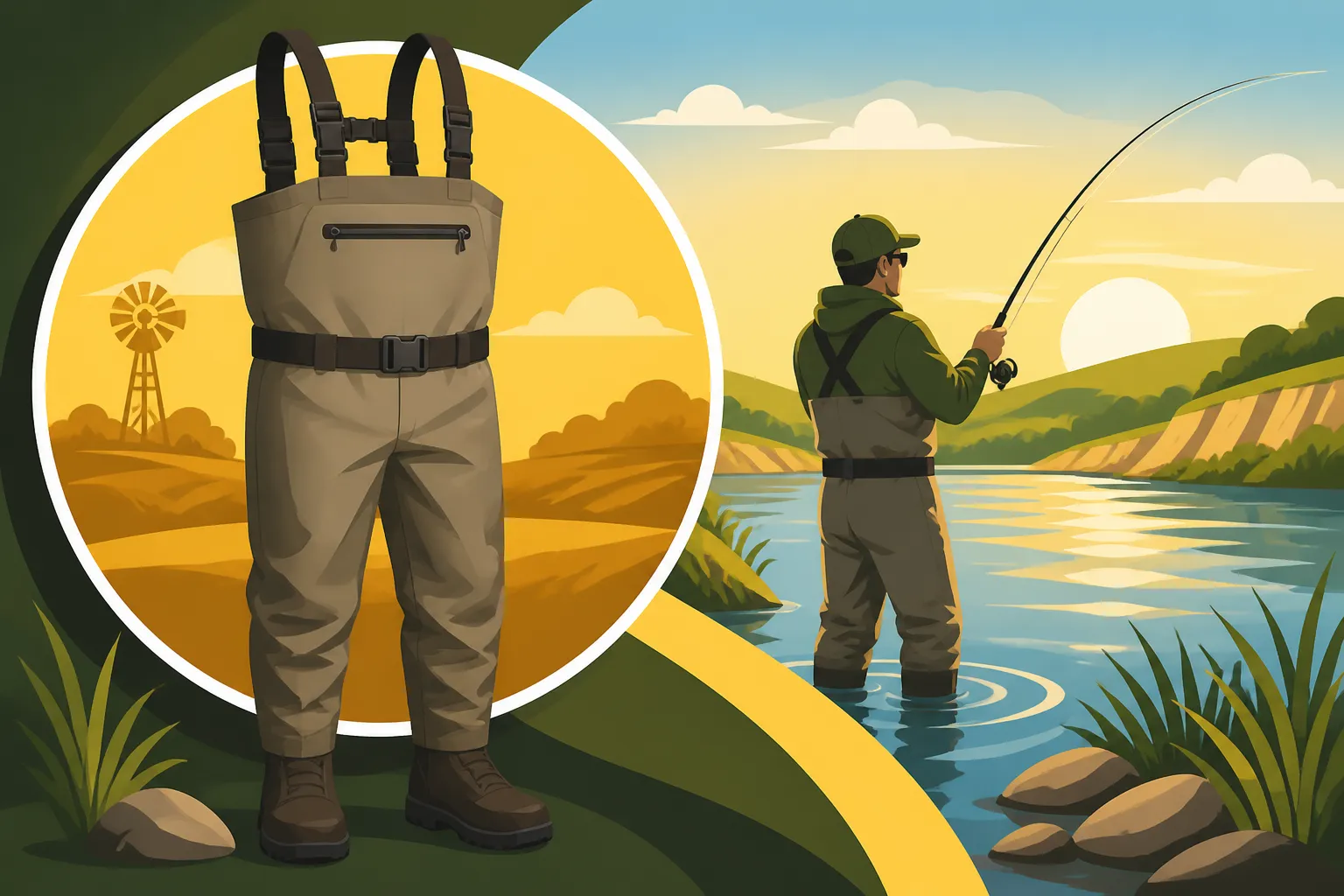
- Wading belt: Most waders come with a wading belt, which should always be worn. It's not just for fit; it’s a critical safety feature that prevents your waders from filling with water if you take an unexpected spill.
- Gravel guards (for stockingfoot): These covers fit over your wading boots and prevent sand and gravel from entering, protecting your neoprene socks and extending their life.
- Reinforced seams: Strong, taped, or welded seams reduce the chance of leaks, which is often where waders fail first.
Investing in waders with these thoughtful features will make your time on the bank much more organized and enjoyable, allowing you to access your gear quickly and stay comfortable throughout your fishing session.
Sizing and Fit: Getting it Right
You can have the most expensive, feature-rich waders on the market, but if they don't fit correctly, they'll be uncomfortable, cumbersome, and prone to wear and tear. Getting the right size is arguably the most critical factor for both comfort and longevity. A poor fit can restrict movement, cause chafing, or put undue stress on seams, leading to leaks.
Measuring for the Perfect Fit
Wader sizing isn't always as straightforward as your clothing size, especially since you might be layering underneath. Most wader manufacturers provide detailed sizing charts that include measurements for chest, waist, inseam, and foot size. It's crucial to take accurate measurements of your body, and don't just guess based on your pant size.
Here’s a simple guide for measuring:
- Chest: Measure around the fullest part of your chest, under your armpits.
- Waist: Measure around your natural waistline, where you typically wear your pants.
- Inseam: Measure from your crotch to the floor, without shoes.
- Foot Size: For stockingfoot waders, use your regular shoe size. For bootfoot waders, check the manufacturer's specific sizing – sometimes you might need to go up a half size if you plan to wear thick socks.
When taking these measurements, consider what you'll typically be wearing under your waders. If you plan on heavy layering for cold-weather fishing, you might need to factor that into your measurements, or even size up slightly. However, avoid going too large, as excessive baggy material can hinder movement and create drag in the water.
Common Sizing Mistakes and How to Avoid Them
Many anglers make common mistakes when buying waders that lead to discomfort and premature wear.
- Too Tight: Waders that are too snug, especially in the crotch or knees, will restrict your movement and put excessive strain on seams, making them highly susceptible to leaks. You should be able to comfortably squat, kneel, and lift your legs without feeling constricted.
- Too Baggy: While a little room for layering is good, overly baggy waders can be a tripping hazard, create unnecessary drag in the water, and cause fabric to bunch up, leading to chafing. It also makes it harder to regulate your body temperature as air pockets can form.
- Incorrect Boot Size (Bootfoot): If the integrated boots are too large, your feet will slide around, leading to blisters and discomfort. If too small, they'll pinch your toes and be difficult to get on and off. Always check the specific boot sizing for bootfoot waders.
- Ignoring Layering: Not accounting for the bulk of base layers is a common oversight. If you try on waders with just light clothing and plan to wear thick thermals in the winter, those waders might suddenly feel too small.
When trying on waders, perform a few movements: squat down, lift your knees to your chest, and stretch your arms. If you feel any significant pull or tension, especially in the crotch, consider the next size up. It's always better to have a little extra room for movement and layering than to be cramped. Many reputable retailers, including places like Bass Pro Shops, allow you to try on waders in-store, which can be immensely helpful in finding the right fit. For a complete list of what to wear for a fishing trip, consider consulting our Best Gear Checklist for a Kansas Fishing Trip.
Maintenance and Care for Your Waders
Waders are an investment, and like any good piece of fishing gear, they need proper care to last. Neglecting maintenance can lead to premature leaks, unpleasant odors, and a significantly shortened lifespan. A little effort after each trip can ensure your waders stay in top condition for seasons to come.
Cleaning and Drying Routines
The first rule of wader care is simple: clean them after every use, especially if they’ve been exposed to muddy or salty (though less common in Kansas) water.
- Rinse Thoroughly: As soon as you get home, use a hose to rinse off any mud, dirt, or debris from both the inside and outside of your waders. Pay extra attention to zippers, seams, and gravel guards where dirt can accumulate.
- Gentle Cleaning (if needed): If there’s stubborn dirt or a lingering odor, you can use a mild, non-detergent soap (like a gentle hand soap or wader-specific cleaner) and a soft brush or sponge. Never use harsh detergents, bleach, or fabric softeners, as these can break down the waterproof membranes and glues.
- Dry Completely (Crucial Step): This is perhaps the most important part. Hang your waders inside out first to allow the interior to dry completely. This prevents mildew and unpleasant smells. Once the inside is dry, turn them right side out and hang them in a well-ventilated area away from direct sunlight or heat sources. A cool, dry place is ideal. Never machine dry your waders, as the heat will damage the material. Hanging them upside down can help drain any residual water from the feet.
Allowing your waders to dry thoroughly can prevent a lot of headaches, including the growth of mold and mildew, which not only smells terrible but can also degrade the fabric and seams over time.
Proper Storage and Damage Prevention
Once your waders are completely clean and dry, proper storage is key to preventing damage and extending their life.
- Hang, Don't Fold: The best way to store waders is to hang them in a cool, dry place, out of direct sunlight. Use a wide hanger that supports the shoulders, or hang them from the boot portion using wader-specific hangers. Folding waders, especially for long periods, can create creases that stress the waterproof membrane and lead to cracks and leaks.
- Avoid Extreme Temperatures: Don't store your waders in a hot garage, a freezing shed, or the trunk of your car for extended periods. Extreme temperatures can degrade the material and adhesives.
- Keep Away from Sharp Objects: Ensure your stored waders aren't pressed against anything sharp that could puncture them. A dedicated spot in a closet or gear room is ideal.
Repairing Minor Leaks and Tears
Even with the best care, leaks can happen. The good news is that most minor leaks are easily repairable, saving you the cost of a new pair.
- Locate the Leak: This can be the trickiest part. You can fill the waders with water (outside out), mark the wet spot, and then drain. For smaller leaks, you might need to spray the outside with rubbing alcohol, which darkens the fabric around a pinhole, or even wear them, spray the outside with soapy water, and look for bubbles while standing in water.
- Clean and Dry: Once found, clean the area around the leak thoroughly and let it dry completely.
- Apply Repair Kit: Most waders come with a small repair kit, or you can purchase one separately from retailers like Amazon or Bass Pro Shops. These usually include patches and waterproof glue. Apply the glue or patch according to the kit's instructions. For breathable waders, a flexible, waterproof sealant like Aquaseal is often recommended for pinholes, while larger tears might require a fabric patch. For neoprene waders, a neoprene cement is typically used.
- Test and Reapply: Allow ample curing time, then test the repair. Sometimes, multiple thin coats of sealant are better than one thick one.
Being proactive about repairs not only saves you money but also ensures you're always ready for your next Kansas Spring Fishing Guide adventure without worrying about wet feet.
Top Wader Brands and Where to Find Them
The market for fishing waders is diverse, with many brands offering a range of options from budget-friendly to high-end. While the "best" wader is subjective and depends on your specific needs and budget, understanding some of the reputable names can guide your choice.
Reputable Wader Brands for Every Budget
Just like choosing the right fishing rod for Kansas Walleye Fishing Techniques, picking the right wader brand often comes down to balancing quality, features, and price.
- Simms: Widely considered the gold standard in wading gear, Simms offers premium waders known for their exceptional durability, innovative design, and superior comfort. Their G3 Guide and G4Z series are beloved by serious anglers, though they come with a higher price tag. If you're looking for top-tier performance and longevity, Simms is an excellent choice.
- Patagonia: Known for its commitment to environmental responsibility, Patagonia also produces high-quality fishing waders. Their waders, like the Swiftcurrent line, are lauded for their breathable fabrics, thoughtful features, and robust construction, often competing directly with Simms in the premium segment.
- Orvis: Another respected name in fly fishing, Orvis offers a range of waders that blend quality and functionality. Their Clearwater and Pro Waders are popular choices, providing good performance for their price point, often appealing to anglers looking for a balance of features and value.
- Redington: A sister brand to Sage (another respected fly fishing name), Redington provides a strong value proposition. Their waders, such as the Palix River or Sonic-Dry, are known for offering solid performance and durability at a more accessible price, making them a great option for anglers stepping up from entry-level gear.
- Frogg Toggs: For anglers on a tighter budget, Frogg Toggs offers a popular range of lightweight and affordable waders. While they might not boast the same bombproof durability as premium brands, they provide excellent value and can be a great starting point for beginners or occasional bank anglers.
- Cabela's/Bass Pro Shops Branded Waders: These retailers often have their own lines of waders that provide good features and durability at competitive prices. They are often designed with the average angler in mind, offering a balance of performance and affordability.
Where to Purchase Your Waders
Once you've narrowed down your choices, knowing where to buy them is the next step.
- Specialty Fishing Retailers: Stores like Bass Pro Shops and Cabela's are fantastic places to shop for waders. They typically have a wide selection from various brands, and often, you can try them on in-store, which is invaluable for getting the right fit. The staff are usually knowledgeable and can offer personalized advice based on your local fishing conditions and needs.
- Online Retailers: Websites like Amazon offer an incredibly vast selection, competitive pricing, and the convenience of home delivery. While you can't try them on, reading customer reviews can provide insights into sizing and performance. Just be sure to double-check return policies in case the fit isn't quite right. Other online-only retailers or direct-from-manufacturer websites also offer great deals and exclusive products.
- Local Tackle Shops: Don't overlook your local tackle shop! While their selection might be smaller, the personalized service and expert advice from anglers who know the local waters (like those covered in our Kansas Community Fishing Lake Rules guide) can be invaluable. Plus, you’re supporting a local business.
When purchasing, always prioritize fit and function over brand loyalty or price alone. A well-fitting, comfortable wader from a less famous brand will always outperform an ill-fitting, high-end one.
Choosing the Right Waders for Your Kansas Bank Fishing Style
Ultimately, the "best" waders for you come down to your specific needs, the conditions you typically fish in, and your budget. There’s no single perfect answer, but by carefully considering the factors discussed, you can make an informed decision that enhances your bank fishing experiences across Kansas.
Matching Waders to Seasonal Conditions
Kansas offers a wide array of fishing conditions throughout the year, and your waders should ideally reflect that.
- Spring (March – May): Water temperatures are often cold from winter runoff, but air temperatures can vary. Breathable waders with good layering underneath (e.g., fleece pants) offer versatility. Neoprene waders are also a solid choice for colder days or if you plan to stand in the water for extended periods. Think about chasing Kansas Crappie Fishing Techniques in early spring, when they move into shallower waters.
- Summer (June – August): Breathable waders are paramount. The ability to shed heat and moisture will keep you comfortable in the Kansas humidity. Pair them with lightweight base layers, or even just shorts if you’re only wading briefly. This is ideal for Kansas Summer Fishing Guide and when you need to access those difficult bank spots to target species like catfish or bass.
- Fall (September – November): Similar to spring, fall offers variable conditions. Breathable waders with adaptable layering are great. Neoprene can be good for those frosty mornings when targeting Kansas Fall Walleye Fishing Tips.
- Winter (December – February): If you're venturing out for winter trout or ice fishing from the bank (which is rare but possible on smaller ponds with safe ice), neoprene waders are almost a must for warmth. Alternatively, heavy duty breathable waders with multiple layers of insulated clothing underneath can also work, but ensuring you have adequate Best Waders for Cold Kansas Water is critical.
Waders for Different Bank Fishing Environments
From urban ponds to vast reservoirs, Kansas bank fishing environments are diverse, and each can influence your wader choice.
- Large Reservoirs (Milford, Cheney, Wilson): These often feature rocky shorelines, muddy coves, and varying depths. Breathable stockingfoot waders paired with sturdy wading boots (perhaps with studded soles for grip on slick rocks) offer the best versatility for covering ground and wading out into different contours. The durability of the wader material is also key here due to potential snags. For tips on how to effectively fish from shore at these spots, check out How to Fish From Shore at a Kansas Reservoir.
- Rivers (Kansas River, Republican River): Riverbanks can be incredibly muddy, especially after rains, and currents can be swift. Bootfoot waders can offer convenience and prevent mud from sucking off your boots. If using stockingfoot, ensure your wading boots have excellent grip. Durability is also crucial when navigating brush and debris along riverbanks.
- Community Lakes and Ponds: Often less rugged, these spots might require less heavy-duty waders. Breathable options are usually sufficient, and the choice between bootfoot and stockingfoot can come down to personal preference for convenience versus fit. These are often excellent spots for Kansas Fishing Techniques for Beginners and family outings.
Investing in Quality
While it's tempting to opt for the cheapest pair of waders, remember that quality often correlates with comfort, durability, and ultimately, a better fishing experience. A cheap pair that leaks after a few trips will cost you more in the long run than a mid-range or even high-end pair that lasts for years. Consider waders from reputable brands and read reviews from other anglers. Your waders are your shield against the elements, allowing you to access prime fishing real estate and stay comfortable, making them a worthwhile investment for any dedicated Kansas bank angler.
| Feature / Wader Type | Breathable Waders | Neoprene Waders | Hybrid Waders |
|---|---|---|---|
| Primary Benefit | Versatility, comfort in varying temps, layering | Superior warmth in cold water | Compromise of warmth and breathability |
| Material | Multi-layer synthetic (Gore-Tex, proprietary) | Closed-cell rubber (neoprene) | Mix of breathable and neoprene |
| Insulation | Minimal; relies on layering | Excellent (3.5mm, 5mm thickness) | Moderate to good, depending on design |
| Best for Conditions | Spring, summer, fall; active fishing | Cold water, winter, early spring | Moderate conditions, adaptable |
| Breathability | High | Low (can cause sweating) | Moderate |
| Mobility | High | Moderate (can be bulky) | Moderate to high |
| Weight | Light | Moderate to heavy | Moderate |
| Typical Cost | Moderate to High | Low to Moderate | Moderate to High |
| Bootfoot Option | Less common, but available | Very common | Common |
| Stockingfoot Option | Very common | Less common | Common |
| Maintenance Notes | Must dry thoroughly to prevent mildew | Dry thoroughly, avoid crushing foam | Dry thoroughly, specific care for materials |
Disclaimer
This article is for general informational purposes only and does not constitute professional advice. Laws, prices and regulations vary by location and change over time. Consult a qualified professional for guidance on your specific situation.