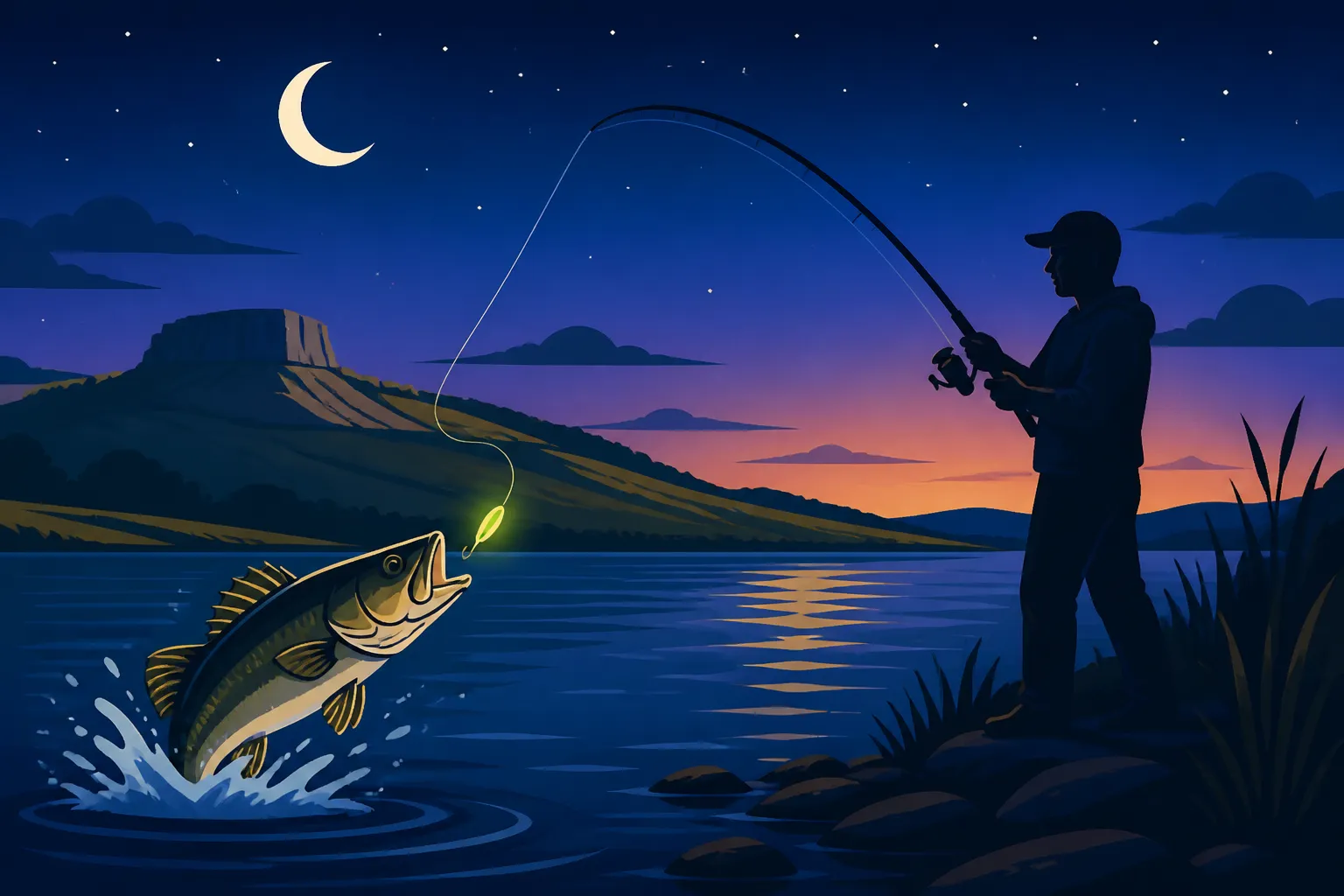
Best Summer Night Fishing Spots in Kansas
Oh, the Kansas summer! It's a beautiful time of year, but let's be honest, those scorching midday sun rays can make fishing feel more like a chore than a cherished pastime. Who wants to battle extreme heat, glaring sunshine, and crowded boat ramps when all you want is some peace and quiet with a bending rod? This comprehensive guide is here to unveil the magic of summer night fishing in Kansas, revealing the best spots and techniques to transform your sweltering daytime struggles into cool, productive, and memorable nocturnal angling adventures.
Why Night Fishing in Kansas is a Summer Game Changer
When the sun dips below the horizon in Kansas, a whole new world awakens, especially for anglers. The oppressive heat of July and August gives way to comfortable breezes, and the lakes that were bustling with pleasure boats and jet skis become quiet havens. This isn't just about comfort; it's about tapping into a prime feeding window for many of our most sought-after fish species.
Beating the Heat and Crowds
Let's face it, fishing during a Kansas heat advisory is no fun. Sweating through your clothes, constantly rehydrating, and trying to avoid sunburn can quickly diminish the joy of being on the water. Night fishing eliminates these challenges entirely. The cooler ambient temperatures mean you can fish in comfort, often without the need for excessive sunscreen or battling heatstroke. It's a much more enjoyable experience for everyone involved, from seasoned anglers to families looking for a unique outing.
Beyond comfort, the solitude of night fishing is a huge draw. During the day, popular lakes like Milford Lake or Cheney Reservoir can be packed with recreational boaters, making it difficult to find quiet coves or troll effectively without interruption. At night, most of that activity ceases. You'll often find yourself with entire stretches of water to yourself, allowing for a more focused and peaceful fishing experience. This lack of pressure often translates into more aggressive fish that haven't been spooked by daytime boat traffic and constant angling pressure. The calm waters often provide an almost spiritual serenity that you simply can't find during the hustle and bustle of a summer afternoon.
Activating Nocturnal Species
Many of Kansas's prized game fish are primarily nocturnal or crepuscular, meaning they become most active during twilight hours and throughout the night. Species like channel catfish, flathead catfish, and even blue catfish truly shine under the cloak of darkness. Their keen sense of smell and lateral lines, designed for hunting in low light or murky conditions, give them an advantage at night. They move out of their daytime cover in deeper water or heavy structure and actively patrol shallower flats, creek channels, and points in search of an easy meal.
It's not just catfish, though. Walleye, often a challenging fish to catch during bright daylight, become much more accessible at night. They move up onto shallower humps, points, and rocky shorelines to feed on baitfish that are also moving up from deeper water. White bass, known for their aggressive schooling behavior, can often be found chasing baitfish under lights at night, creating incredible action. Even some crappie and largemouth bass will opportunistically feed after dark, especially if there's a good moon phase or artificial lights attracting insects and baitfish to the surface. Understanding this shift in behavior is key to unlocking incredible night fishing success, turning what might be a slow day into an unforgettable night.
Top Kansas Lakes for Summer Night Fishing
Kansas is blessed with numerous large reservoirs and state fishing lakes, many of which offer fantastic night fishing opportunities. These bodies of water provide the vastness and diverse structure that nocturnal predators crave, making them prime targets once the sun sets.
Milford Lake
As the largest lake in Kansas, Milford Lake offers an incredible array of structure and vast areas for night fishing. Located near Junction City, this reservoir is a legendary spot for catfish. During summer nights, both channel and blue catfish move into shallower flats, creek channels, and the backs of coves to feed. Look for areas with submerged timber, old roadbeds, or rocky points that drop off into deeper water. Using cut bait like shad, prepared stink baits, or even large chunks of hot dogs fished on the bottom with a slip sinker rig can be incredibly effective.
Anglers targeting Milford Lake should also consider the potential for trophy flathead catfish, especially in areas with significant timber or rock piles. These giants are ambush predators and often become more active after dark. You might also find excellent white bass action, particularly near the dam or where incoming rivers like the Republican River meet the main lake. Anglers often employ submersible green lights to attract baitfish, which in turn draws in schooling white bass and crappie. If you're looking for guidance, plenty of experienced local guides who know Milford's nocturnal hotspots are available to book through services like FishingBooker. They can provide invaluable insight into the best Kansas Catfish Fishing Techniques or where to find the Milford Lake White Bass Run even at night.
Cheney Reservoir
Southwest of Wichita, Cheney Reservoir is renowned for its walleye fishery, and summer nights offer some of the best opportunities to target these elusive fish. Walleye often migrate from deeper, cooler water to shallower, rocky points and submerged humps to feed after dark. Trolling with crankbaits that dive to appropriate depths, or casting stickbaits and jerkbaits along lighted shorelines or over underwater structure, can yield excellent results. Pay attention to the wind-blown points, as these often concentrate baitfish and, subsequently, feeding walleye.
Cheney also boasts a robust population of channel and blue catfish, which become active along the shoreline and over shallow flats at night. Using traditional bottom rigs with cut bait or prepared baits will produce bites. Additionally, wipers (hybrid striped bass) can provide explosive action, especially during warmer nights when they might be busting baitfish near the surface under a bright moon or boat lights. For those who prefer to fish from shore, many accessible points around the lake offer good opportunities, but always check for Kansas State Park Fishing Permit Rules if you're accessing through the state park. The sheer size of Cheney Reservoir in acres means there's always a new spot to explore.
Wilson Lake
Often called "Kansas's clearest lake," Wilson Lake, located near Russell, offers a unique night fishing experience, particularly for striped bass and walleye. The clear water can make daytime fishing challenging for some species, but at night, the game changes. Striped bass, in particular, become much more active, chasing baitfish in open water and near major points. Trolling deep-diving crankbaits or casting large swimbaits around known humps and ledges can be productive.
Walleye fishing on Wilson at night can be exceptional, especially around the numerous rocky points and submerged structures. Using a slip bobber rig with a live minnow or a jig and plastic combination fished slowly along contours can entice strikes. Of course, Wilson also holds a healthy population of channel catfish and flatheads, which are always a good target after dark, particularly in the upper river arms of the lake or near wooded areas. Remember to always have your Kansas Fishing License Guide handy, even at night, as regulations are still in effect. Many local guides offer evening trips for striped bass, a fantastic way to experience Wilson Lake Striped Bass Fishing without the daytime glare.
El Dorado Lake
East of Wichita, El Dorado Lake is another excellent summer night fishing destination, especially known for its striped bass and channel catfish. Like Wilson, El Dorado's stripers become more aggressive under the cover of darkness. They will chase baitfish schools, often pushing them to the surface, creating visible feeding frenzies that can be incredibly exciting to target with topwater lures or fast-retrieved swimbaits. Look for them in the main lake basin or near larger points and humps.
Channel catfish are abundant in El Dorado and offer consistent night action. Focus on shallower flats, submerged timber, and the edges of creek channels, particularly where there's a slight current or inflow. Prepared baits, cut bait, or worms fished on the bottom will get their attention. Largemouth bass can also be caught on occasion at night, especially around lighted docks or shallow cover. Fishing services on FishingBooker can connect you with guides specializing in El Dorado Lake Striped Bass Fishing for an unforgettable night on the water.
Essential Gear and Techniques for Kansas Night Fishing
Successful night fishing isn't just about finding the right spot; it's about being prepared with the right equipment and understanding how to adapt your techniques to the darkness. Without these essentials, your nocturnal adventure can quickly become frustrating, or worse, unsafe.
Lighting and Safety Essentials
When you're out on the water after dark, good lighting is paramount, not just for fishing but for safety. Every angler should have a reliable headlamp with both white and red light settings. The white light is for tying knots, rigging baits, or navigating, while the red light preserves your night vision and is less likely to spook fish. A powerful lantern, preferably battery-operated or rechargeable LED, is excellent for illuminating your boat or bank area, making it easier to move around and see your gear. Always ensure your boat has navigation lights that are fully functional and visible from all directions, as per Kansas Boating Safety Equipment Requirements.
Beyond lighting, personal safety should always be your top priority. Make sure every person on board has a properly fitted life jacket, and wear yours, especially if you're on a smaller boat or fishing alone. A first-aid kit, a fully charged cell phone, extra batteries for your lights, and a whistle or air horn are non-negotiable safety items. It's also a good idea to let someone know your float plan – where you're going and when you expect to return. Never underestimate the darkness; familiar areas can look completely different at night, so proceed with caution.
Baits, Lures, and Rigs for Nocturnal Bites
The darkness changes how fish perceive their environment, often relying more on scent, vibration, and silhouette than visual cues. For catfish, this means powerful scent baits are king. Classic stink baits from brands like Team Catfish or fresh cut bait (shad, sunfish, or carp) are incredibly effective. A simple slip sinker rig with a wide gap or circle hook is hard to beat for bottom-feeding cats. For walleye, crankbaits with rattles or strong wobbling actions in dark colors (like black or purple) or those with glow-in-the-dark features can be dynamite. Stickbaits, worked slowly over points, are also excellent.
White bass and crappie will often respond well to small jigs tipped with plastic or live minnows, especially under submersible lights. The light attracts zooplankton and baitfish, creating a feeding frenzy. Hybrid stripers and larger stripers will hit bigger swimbaits, jerkbaits, or even topwater lures if they're busting on the surface. Don't forget to consider a Best Rod and Reel Combo for Catfish or a Best Rod and Reel Combo for Walleye specifically for the species you're targeting at night, as gear suited for specific techniques can make a huge difference. Heavy mono or fluorocarbon line is often preferred for catfishing due to its abrasion resistance, while braided line can be great for detecting subtle walleye bites.
Navigating and Locating Fish in the Dark
Navigating a lake at night requires a different mindset. If you're in a boat, a reliable GPS unit with detailed mapping is crucial. Mark your waypoints during the day for potential hazards and productive fishing spots. Move slowly and cautiously, always keeping an eye out for floating debris, unlit buoys, or other boats. Using your fish finder at night is just as important as during the day; look for baitfish schools, changes in depth, and structure. Understanding How to Read Kansas Reservoir Structure is even more vital in the dark.
For bank anglers, identifying potential hotspots during the day is key. Look for points, submerged brush piles, old roadbeds, or areas with current. A long casting rod will help you reach productive water. Submersible fishing lights are particularly effective from the bank, attracting baitfish and then game fish right to your casting range. These lights can be a game-changer for crappie, white bass, and even catfish. Whether you're in a boat or on the bank, patience and quiet observation are your best allies when fishing under the stars.
Planning Your Night Fishing Adventure
A successful night fishing trip, like any good angling endeavor, relies heavily on preparation. From checking regulations to being aware of the environment, a little foresight goes a long way.
Checking Regulations and Safety
Before you head out into the darkness, it's absolutely crucial to double-check all current fishing regulations for the specific body of water you intend to fish. While night fishing is generally allowed on most public waters in Kansas, there might be specific rules regarding methods (like trotlines or jug lines), specific creel limits for certain species, or even restrictions on certain types of bait. For instance, knowing the Kansas Daily Creel Limits by Species for your target fish is non-negotiable. Always make sure your Kansas Fishing License Online Renewal is up-to-date, as you certainly don't want to encounter a warden after dark without it.
Beyond regulations, safety should always be your number one concern. Pay close attention to weather forecasts. Summer storms can develop quickly in Kansas, bringing sudden high winds, lightning, and heavy rain, which are exponentially more dangerous at night. If you're boating, ensure all your safety equipment is onboard and easily accessible. Tell someone where you're going and when you expect to return. Even if you're bank fishing, be aware of your surroundings; uneven terrain, slippery banks, and unseen obstacles are much harder to spot in the dark. A good pair of sturdy, non-slip boots is a smart choice for bank anglers.
Hiring a Guide or Using Resources
If you're new to night fishing, or even new to a specific Kansas lake, consider hiring a local fishing guide. Many guides specialize in night fishing trips, especially for catfish or walleye. They have invaluable knowledge of the lake's structure, fish movements after dark, and the most effective baits and techniques for the current conditions. Services like FishingBooker are excellent resources for finding experienced guides who can help make your first night fishing trip safe, productive, and enjoyable. They can also teach you about specific Kansas Walleye Fishing Techniques or Kansas Catfish Fishing Techniques that are most effective after sundown.
Beyond guides, there are numerous online resources, local bait shops, and fishing forums where you can gather up-to-date information. Check recent fishing reports for the lake you plan to visit. Sometimes, local bait shops will have intel on what's biting at night and where. Learning from experienced anglers can shortcut your learning curve significantly, helping you spend less time searching and more time reeling in fish. Even if you're an experienced angler, a fresh perspective or local tip can make all the difference, transforming a decent outing into a truly exceptional one.
| Species | Best Night Fishing Baits/Lures | Prime Night Locations | Special Tips |
|---|---|---|---|
| Channel Catfish | Cut shad, prepared stink baits, worms | Shallow flats, creek channels, coves | Fish on the bottom with slip sinkers. |
| Blue Catfish | Large cut shad, whole gizzard shad | River channels, deep bends, main lake humps | Use heavy tackle, large hooks. |
| Flathead Catfish | Live perch, large live sunfish, bluegill | Submerged timber, rock piles, log jams | Best in rivers or upper lake arms. |
| Walleye | Deep-diving crankbaits (rattling), stickbaits, jig/minnow | Rocky points, humps, lighted shorelines | Slow retrieve, use dark or glow lures. |
| White Bass | Small jigs, spoons, live minnows | Under lights, dam tailwaters, river mouths | Look for schooling baitfish near the surface. |
| Crappie | Small jigs, live minnows, plastic tubes | Under lights, brush piles, submerged trees | Suspend bait at various depths. |
| Striped Bass/Wiper | Large swimbaits, jerkbaits, topwater | Open water, main lake points, humps | Look for surface boils, troll aggressively. |
Disclaimer
The information provided in this guide is for general informational purposes only and is subject to change. Always consult the most current Kansas Department of Wildlife, Parks and Tourism (KDWPT) regulations before any fishing activity. Fishing inherently carries risks, and safety precautions should always be observed.