Kansas White Bass Guide
Finding those elusive schools of white bass, especially during their legendary spring runs, can sometimes feel like trying to catch smoke. You hear stories of anglers reeling in fish after fish, but when you hit the water, it's a different story. This comprehensive guide is here to unravel the mysteries of white bass in Kansas, giving you all the insights, tips, and location secrets to make your next trip a resounding success.
Understanding the Kansas White Bass
The white bass is a beloved sport fish across Kansas, cherished for its aggressive strikes and schooling behavior that can lead to some truly fast-paced action. They're not just fun to catch; they're also excellent table fare, making them a popular target for anglers throughout the state. Understanding this energetic species is the first step to consistently filling your cooler.
Identifying White Bass: Key Features and Distinguishing Them
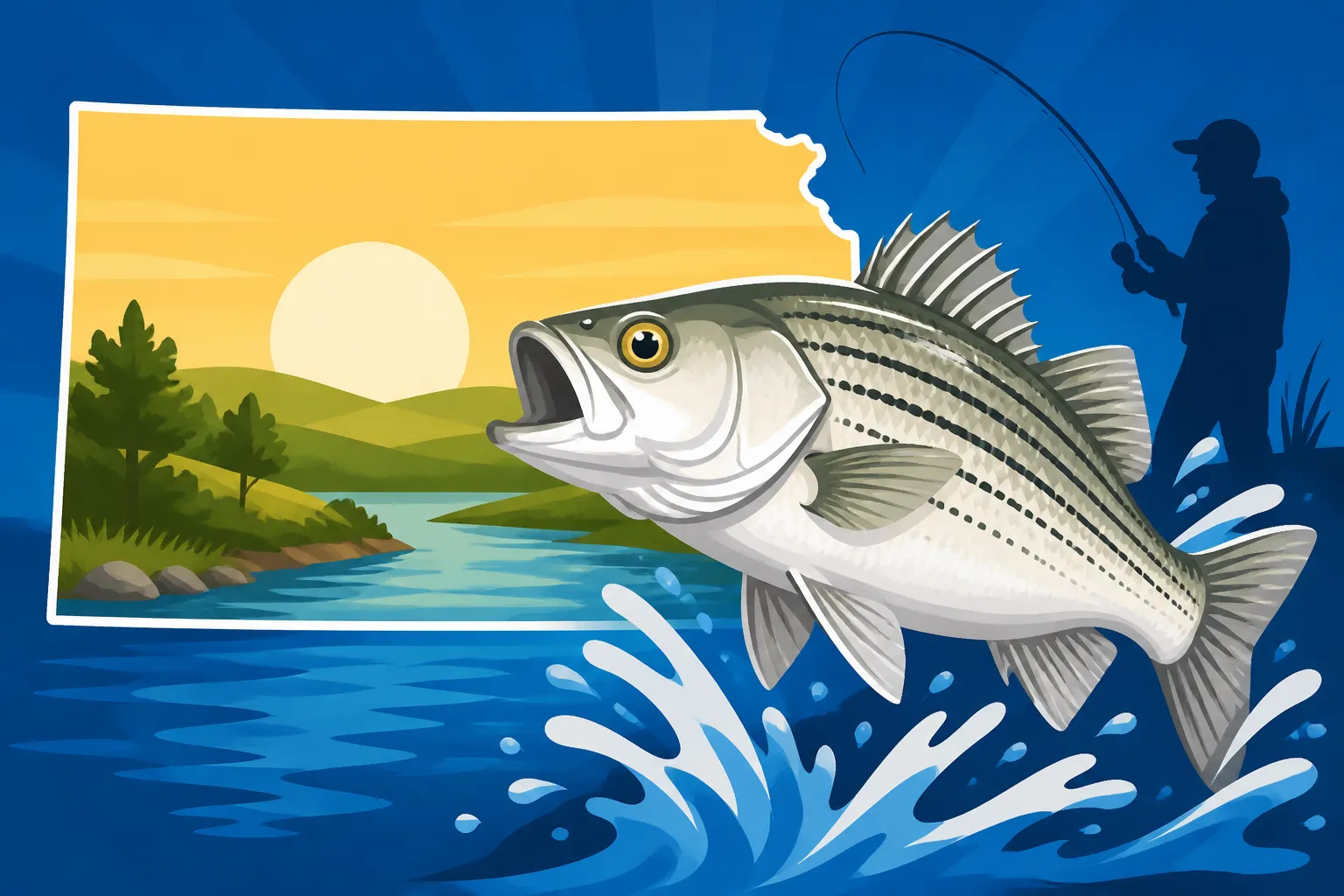
White bass, Morone chrysops, are part of the temperate bass family, and they share some similarities with their striped and hybrid relatives, which can sometimes lead to confusion. However, a few key characteristics will help you identify them clearly. Look for their silvery-white bodies, typically marked with five to seven dark, unbroken lateral stripes. These stripes usually extend all the way to the tail, which is a major distinguishing factor from hybrid striped bass (also known as wipers), whose stripes are often broken or discontinuous. White bass generally have a deeper body profile than striped bass, giving them a more "chunky" appearance.
Another tell-tale sign is the number of dorsal fins. White bass have two distinct dorsal fins; the first is spiny, and the second is soft-rayed. Pay close attention to the tongue, too; while this might sound a bit extreme, white bass typically have only one patch of teeth on the tongue, whereas striped bass have two. Knowing these details can prevent you from accidentally keeping a fish that falls under different regulations. When you're out on the water, especially during a hot bite, quick identification can save you a headache later on.
Habitat and Behavior: Where They Live, What They Eat, and How They School
White bass are primarily freshwater fish that thrive in large lakes, reservoirs, and rivers. In Kansas, our expansive reservoirs like Milford Lake, Cheney Reservoir, and Tuttle Creek Lake are prime habitats. They prefer open water areas, often congregating around submerged structures, points, humps, and channel breaks, especially when actively feeding. These fish are highly pelagic, meaning they often suspend in the water column, moving frequently to follow baitfish schools.
Their diet consists mainly of smaller fish, such as shad and minnows, along with crustaceans and insects. They are voracious eaters, and their schooling behavior is largely driven by their predatory nature. When a school of white bass attacks a bait ball, it creates a surface commotion that can be quite spectacular, often referred to as a "boil" or "jump." This is when anglers get excited, as it indicates active feeding and a high chance of multiple hook-ups. Understanding their feeding patterns and preferred forage is crucial for selecting the right lures and presenting them effectively. They are truly opportunistic feeders, and their aggressive pursuit of prey makes them incredibly fun to target.
The White Bass Life Cycle: Spawning and Growth Patterns
The life cycle of the white bass in Kansas is fascinating and directly impacts fishing opportunities throughout the year. Spawning typically occurs in the spring, generally from late March through May, when water temperatures range between 55 and 70 degrees Fahrenheit. During this period, adult white bass migrate en masse from the deeper parts of reservoirs and lakes into tributary rivers and streams, or they'll move into shallow, rocky points and shoals within the main lake. This is what we call the famous Kansas White Bass Run Timing.
Females release their eggs over rocky or gravelly bottoms, and males fertilize them externally. There's no parental care involved; the eggs simply drift or adhere to submerged structures. Once hatched, the fry grow rapidly, feeding on plankton and small invertebrates. As they mature, their diet shifts to baitfish, and they begin to exhibit the schooling behavior that makes them such a prized sport fish. White bass have a relatively short lifespan, usually 3-5 years, but they grow quickly, reaching catchable sizes within a year or two. This rapid turnover means that populations can recover well, providing consistent angling opportunities year after year.
Where to Find White Bass in Kansas
Knowing where to find white bass is arguably the most critical piece of the puzzle. Kansas is blessed with numerous water bodies that hold thriving populations, but certain spots consistently outproduce others. Understanding their preferred locations can significantly increase your chances of success.
Top Kansas Reservoirs: Milford, Cheney, Tuttle Creek, and More
Kansas's large reservoirs are the undisputed kings when it comes to white bass fishing. These expansive bodies of water offer the ideal open-water habitat and abundant baitfish populations that white bass crave.
- Milford Lake: As the largest lake in Kansas, Milford Lake is a premier white bass destination. Its vast open waters and numerous feeder creeks, especially the Republican River arm, become white bass highways during the spring run. Throughout the rest of the year, look for schools holding over humps, channel edges, and around the many points and submerged timber. Anglers often find success targeting the flats and offshore structures in the main lake basin during summer and fall. If you're looking for an expansive fishing experience, Milford Lake Fishing Guide offers a deep dive into this giant.
- Cheney Reservoir: Located west of Wichita, Cheney Reservoir is another white bass hotspot. Known for its clear waters and abundant shad, Cheney attracts massive schools. The northern tributaries and shallow flats are key during the spawn, while the main lake's humps and ledges are productive throughout the warmer months. Its vast open water makes it ideal for finding those exciting surface boils. A specific guide on Cheney Reservoir Fishing Guide can give you even more insights into this excellent fishery.
- Tuttle Creek Lake: Near Manhattan, Tuttle Creek Lake provides excellent white bass opportunities, particularly in its river arms and deeper channels. The lake's fluctuating water levels can sometimes make finding fish a challenge, but the rewards are well worth it. Look for them in the main river channel and around the points and coves where baitfish congregate. The upper end of the lake, especially in the Big Blue River arm, is famous for its spring run action. For more on this lake, check out the Tuttle Creek Lake Fishing Guide.
- Other Notable Reservoirs: Don't overlook other fantastic Kansas reservoirs such as Wilson Lake, El Dorado Lake, Clinton Lake, and Perry Lake. Each of these offers unique opportunities, with white bass populations that fluctuate year to year based on stocking efforts and environmental conditions. Always check local reports for the most current information before heading out.
River Systems and Tributaries: Focusing on the White Bass Run
While reservoirs are fantastic, the true excitement often begins when white bass move into river systems for their annual spawning run. This phenomenon is a highlight of the Kansas fishing calendar.
- Republican River (Milford Lake): The Republican River above Milford Lake is perhaps the most famous white bass run in the state. Thousands of fish push upstream, creating phenomenal bank and boat fishing opportunities. Access points along the river become popular gathering spots for anglers hoping to capitalize on the concentrated fish. Understanding How to Catch White Bass on the Republican River is essential for those looking to experience this phenomenon.
- Big Blue River (Tuttle Creek Lake): Similar to the Republican, the Big Blue River feeding into Tuttle Creek Lake also experiences a robust white bass run. Access areas around Manhattan and upstream offer excellent chances to intercept migrating fish. The confluence of the various river systems feeding into Tuttle Creek can be particularly productive.
- Walnut River (El Dorado Lake): The Walnut River above El Dorado Lake provides another excellent river-run option. Anglers often find success targeting the deeper holes and current breaks where white bass hold before moving further upstream. The accessibility of many river stretches makes it a great option for bank anglers and those with smaller boats or kayaks.
- Other River Systems: Many smaller tributaries and streams feeding into Kansas reservoirs will also see white bass migrations. While not as famous as the major river runs, these can offer fantastic, less-crowded opportunities for anglers willing to explore. Look for areas with current, gravel bottoms, and access to deeper pools.
Finding Schools: Reading the Water and Using Electronics
White bass are highly nomadic, constantly moving in search of food. This means that successful white bass fishing often boils down to finding the schools.
- Surface Activity ("Boils"): The most exciting and obvious way to find white bass is by spotting surface activity. When a large school pushes baitfish to the surface, it creates a visible commotion, often referred to as "boiling" or "jumping" fish. Keep a keen eye out for diving birds (gulls, terns) that are also targeting the baitfish; they are excellent indicators of active white bass below. When you see a boil, approach cautiously, cast quickly, and be ready for immediate action.
- Sonar and Fish Finders: For anglers with boats, a quality fish finder is an invaluable tool. White bass schools will show up as dense clouds of arches or marks, often suspended in the water column. Look for these schools over humps, along channel edges, or in open water. Pay attention to the depth at which the fish are holding, as this will dictate your presentation. Even a basic fish finder available on platforms like Amazon can give you a significant advantage in locating these mobile schools.
- Understanding Wind and Current: White bass often use wind and current to their advantage, pushing baitfish against shorelines, points, or submerged structures. Fishing on the windy side of a lake or near areas of current can often concentrate fish. Strong winds can also create "baitfish highways" where shad are driven, and white bass follow close behind. Conversely, calm, sunny days might see fish moving deeper or holding tighter to structure.
When to Target Kansas White Bass
Timing is everything when it comes to white bass. Knowing the peak seasons, the prime times for the legendary runs, and even the best parts of the day can dramatically impact your success. White bass are active throughout much of the year, but some periods offer truly exceptional fishing.
The Spring White Bass Run: Timing, Conditions, and Prime Locations
Ah, the spring white bass run! This is arguably the most anticipated event for many Kansas anglers. It's a period of intense activity and often easy limits, making it a perfect time for beginners and seasoned pros alike.
- Timing is Key: The run typically begins in late March and can last through May, depending on the specific water body and weather conditions. The critical factor is water temperature, usually kicking off when surface temps consistently hit the mid-50s to low 60s Fahrenheit. A sudden warm spell after a period of cold can trigger a mass migration. However, cold fronts can temporarily slow things down, pushing fish back into deeper staging areas. Keep an eye on local fishing reports and water temperature gauges to hit the peak of the run.
- Ideal Conditions: Overcast days and stable weather patterns often lead to the most aggressive biting. During heavy rains, white bass may move even further upstream into feeder creeks, taking advantage of increased flow and baitfish movement. Sunny days can still be productive, but fish might hold deeper or be more active during low-light periods. A bit of chop on the water can also help, as it breaks up the light and can make fish less wary.
- Prime Locations: As mentioned earlier, the mouths of tributary rivers and upstream stretches are prime real estate during the run. Focus on areas with current, gravel bottoms, and any natural bottlenecks or depth changes that concentrate fish. Dams and spillways are also natural barriers that stack up white bass. For those fishing from a boat, anchoring just downstream of a current seam or a drop-off can be incredibly effective. Bank anglers will find success along accessible riverbanks and bridge crossings.
Summer and Fall Strategies: Deep Water and Schooling Action
Once the spawn is over, white bass don't disappear; they simply shift their behavior and location. Summer and fall offer different, but equally exciting, white bass opportunities.
- Summer: Following the Thermocline: As water temperatures rise in summer, white bass will move to deeper, cooler waters in the main lake basin. They often suspend in or just above the thermocline – the layer where water temperature changes rapidly – where dissolved oxygen levels are optimal, and baitfish congregate. Look for them over deep humps, along main lake points, and suspended over submerged creek channels. This is when your fish finder becomes your best friend. Trolling and vertical jigging are highly effective techniques for targeting these suspended schools. Night fishing can also be incredibly productive during the summer, as white bass often move shallower to feed under the cover of darkness. Night Fishing Tips for White Bass can provide some excellent guidance here.
- Fall: Feeding Frenzies: As temperatures begin to cool in late summer and early fall, white bass enter a pre-winter feeding frenzy. They become extremely aggressive, often forming massive schools and chasing baitfish to the surface with incredible ferocity. This is a fantastic time for "run-and-gun" fishing, where you actively search for surface boils and quickly move from one active school to another. They might be found in coves, around main lake points, or in vast open water, anywhere shad are abundant. Focus on the upper parts of the water column in these surface-feeding scenarios.
Best Times of Day and Weather: Optimal Conditions for Success
While white bass can be caught throughout the day, certain times and weather conditions tend to be more productive.
- Low Light is Right: Like many predatory fish, white bass are often most active during low-light periods, typically dawn and dusk. The reduced light gives them an advantage over their prey, and they'll move shallower to feed. These times are especially good for casting lures from shore or targeting shallower points from a boat.
- Overcast Skies and Wind: Cloudy, overcast days often keep white bass active longer into the day, as the diffuse light is more favorable for their vision. A bit of wind, creating a chop on the water, can also improve fishing by breaking up light penetration and concentrating baitfish. It also makes your boat drift more naturally, which can be an advantage.
- After a Cold Front: While a severe cold front can shut down fishing, a moderate cold front followed by a period of stable, albeit cooler, weather can sometimes trigger a good bite. The fish might move deeper, but they often become more concentrated, making them easier to locate with electronics. Just be prepared to slow down your retrieve and present lures more deliberately. On the flip side, extremely hot, calm, sunny days can make white bass more lethargic, pushing them into deeper, cooler water.
Essential Gear for White Bass Fishing
You don't need a massive tackle box full of expensive gadgets to catch white bass, but having the right tools for the job definitely helps. The aggressive nature of white bass means you'll want gear that can handle a fast-paced bite and the potential for multiple hook-ups.
Rods, Reels, and Line: Recommendations for Different Approaches
Choosing the right rod, reel, and line combination is crucial for maximizing your enjoyment and success when targeting white bass.
- Rods: A good all-around white bass rod is a light to medium-light action spinning rod, typically in the 6-foot to 7-foot range. This length provides good casting distance while still being manageable for fighting these feisty fish. A fast or extra-fast tip will give you the sensitivity to detect subtle bites and the backbone to set the hook firmly. If you're primarily trolling or using heavier lures, a medium-action casting rod might be preferred, especially if you anticipate catching larger white bass or even a stray wiper. Look for durable graphite composites that offer a good balance of sensitivity and strength. For beginners, a rod and reel combo found on Amazon can be a great, cost-effective starting point.
- Reels: Pair your rod with a lightweight spinning reel in the 1000 to 2500 size range. This size offers enough line capacity and a smooth drag system, which is essential when a school of white bass hits all at once. For casting setups, a high retrieve ratio is beneficial, allowing you to quickly reel in slack and keep up with fast-moving schools or work lures efficiently. Ensure the reel is durable and has smooth bearings for consistent performance.
- Line: For white bass, a 6 to 10-pound test monofilament or fluorocarbon line is usually sufficient. Monofilament offers good knot strength and stretch, which can be forgiving during sudden strikes. Fluorocarbon is less visible underwater and more sensitive, making it excellent for clearer waters or finicky fish. Many anglers also opt for 10-20 pound braided line, especially if they need to cast long distances or want maximum sensitivity. If using braid, consider a 3-foot fluorocarbon leader for stealth, connecting it with a strong knot like an FG or Alberto knot.
Lures and Baits: The Go-To Choices for White Bass
White bass aren't overly picky, but certain lures consistently outperform others. Having a selection of these staples in your tackle box is a smart move.
- Small Spoons: Classic casting spoons like the Kastmaster, Little Cleo, or Slab Spoon in sizes ranging from 1/8 to 1/2 ounce are incredibly effective. Their erratic flutter on the fall and wobbling retrieve mimic dying baitfish perfectly. Silver, gold, chrome, and white are always good starting colors. Drop them to the bottom and quickly rip them up, or cast and retrieve with a steady pace.
- Tail Spinners/Blade Baits: Lures like the Roostertail, Beetle Spin, or Johnson Silver Minnow with a spinner blade are fantastic for white bass. The flash and vibration mimic fleeing baitfish, and they're easy to cast and retrieve. White, chartreuse, and silver are popular colors. Blade baits like the Silver Buddy or Gay Blade are also deadly, especially when fish are holding deeper; a sharp jigging motion can trigger aggressive strikes.
- Small Crankbaits: Shallow-diving crankbaits in shad patterns or vibrant colors like chartreuse can be very effective when white bass are feeding near the surface or in shallower water. Choose lures that run 2-6 feet deep. Medium-diving crankbaits are great for trolling through schools.
- Jigs with Soft Plastics: A simple lead-head jig (1/8 to 1/4 ounce) paired with a small soft plastic grub, curly tail, or swimbait is incredibly versatile. White, chartreuse, pearl, and smoke colors are often top producers. This setup can be cast and retrieved, vertically jigged, or even trolled. The subtle action of a plastic tail can be irresistible.
- Live Bait: While artificials are often preferred for their efficiency, live minnows (especially small shad) can be deadly, particularly when white bass are sluggish or during tough conditions. Rig them on a small jig head or a bare hook under a bobber.
| Lure Type | Best Use Case | Retrieve Style | Top Colors |
|---|---|---|---|
| Casting Spoons | Surface boils, deep suspended schools, jigging | Rip-and-fall, steady retrieve, vertical jig | Silver, Gold, Chrome, White |
| Tail Spinners | Scouting, shallow to mid-depths, active fish | Steady retrieve, stop-and-go, jigging | White, Chartreuse, Silver |
| Small Crankbaits | Trolling, shallow feeding, specific depths | Steady retrieve, varying speed, twitching | Shad patterns, Chartreuse, Firetiger |
| Jigs & Grubs | Versatile, all depths, finicky fish | Cast & retrieve, vertical jig, bounce along bottom | White, Pearl, Chartreuse, Smoke |
| Blade Baits | Deep water, vertical jigging, strong vibration | Yo-yo retrieve, sharp snaps | Silver, Gold, Chrome, Firetiger |
Essential Accessories: Nets, Pliers, and Other Helpful Tools
Beyond your rod and reel, a few key accessories will make your white bass fishing trips much smoother and more enjoyable.
- Landing Net: A good, collapsible landing net with a rubberized mesh is invaluable. White bass often come in schools, and having a net makes it easier to land fish quickly, especially if you're trying to keep up with a fast bite. The rubberized mesh is also gentler on the fish if you plan to release some. You can find excellent options for various fishing gear on Amazon.
- Pliers/Forceps: White bass have small, sharp teeth, and while they won't generally bite you, removing hooks can be tricky. A pair of long-nosed pliers or fishing forceps is essential for safe and efficient hook removal, especially with treble hooks.
- Line Cutters: Small scissors or a dedicated line cutter are much more efficient and safer than trying to bite through line.
- Cooler with Ice: If you plan on keeping your catch, a quality cooler with plenty of ice is a must. Getting fish on ice quickly helps preserve their flavor and quality.
- Sun Protection: Don't forget sunscreen, a wide-brimmed hat, and polarized sunglasses. Hours on the water, especially in open reservoirs, can lead to serious sun exposure. Polarized sunglasses also help you spot subtle movements in the water and identify structure.
Effective Techniques for Catching White Bass
White bass are aggressive, but they can also be finicky. Employing the right techniques for the conditions can be the difference between a few fish and a full cooler. Their schooling nature means that when you find one, there are often many more to be caught.
Casting and Retrieving: Standard Methods
This is the bread and butter of white bass fishing, especially during surface boils or when fish are scattered. It's a highly active and engaging way to fish.
- Targeting Surface Boils: When you spot white bass crashing the surface, cast your lure directly into the commotion or just beyond it. A fast retrieve is often best to mimic a fleeing baitfish. Spoons, tail spinners, and small crankbaits are excellent for this. The key is to get your lure in front of them quickly before the school moves on. Make sure your lure is light enough to cast accurately but heavy enough to sink quickly if the fish are feeding just below the surface.
- Fan Casting and Covering Water: If you're not seeing surface activity, fan casting a spoon, spinner, or jig and grub is an effective way to locate scattered schools. Cast in different directions, varying your retrieve speed and depth until you find where the fish are holding. White bass are often found near structure like points, humps, or creek channel bends, so focus your casts around these areas. A steady retrieve with occasional pauses or twitches can often trigger a strike. For beginners, this is a great way to learn Kansas Fishing Techniques for Beginners for white bass.
- Varying Your Retrieve: Don't be afraid to experiment! Sometimes a fast, erratic retrieve works best, other times a slow, steady roll is what they're looking for. Try a "stop-and-go" retrieve, allowing your lure to flutter on the fall, or a "rip-and-pause" technique, especially with spoons and blade baits. The key is to pay attention to what the fish are telling you and adjust accordingly.
Trolling for Schools: Covering Water Effectively
Trolling is an incredibly effective method for locating and catching white bass, especially when they are suspended in open water or when you're trying to cover large areas of a reservoir.
- Finding the Right Depth: Use your fish finder to identify the depth at which white bass are holding. Then, select lures that will run at that specific depth. Medium-diving crankbaits are popular trolling lures, but spoons and even jigs can be trolled effectively by adjusting your line length, weight, and boat speed. Downriggers or planer boards can also be used to present multiple lures at precise depths and spread out your presentation.
- Speed and Lure Selection: A trolling speed of 2-3 mph is a good starting point, but always adjust based on lure action and fish preference. Some lures have a better action at slower speeds, while others shine when pulled faster. Experiment with different colors and lure types until you find what the fish are keying in on. Sometimes, a change in color is all it takes to turn a slow day into a successful one.
- Following Structure: When trolling, focus on trolling along contours, creek channels, main lake points, and over submerged humps. These are natural congregation areas for white bass. If you mark fish on your electronics, circle back through that area. Often, a single pass through a school can trigger multiple bites. Trolling is also excellent for covering large sections of a lake like Milford Lake Is the Largest Lake in Kansas, where fish can be widely dispersed.
Vertical Jigging and Drop-Shotting: When Fish Are Deep
When white bass are holding deep, especially during summer or after a cold front, vertical presentations can be deadly. These techniques put your lure directly in the strike zone.
- Vertical Jigging: This technique involves positioning your boat directly over a school of fish that you've located with your fish finder. Drop a spoon, blade bait, or heavy jig straight down to their depth. Then, use short, sharp lifts and drops of your rod tip to impart action to the lure. The key is to keep your lure in the strike zone and respond quickly to bites, which often feel like a subtle tap or a sudden weight. Vary the intensity and speed of your jigs until you find what triggers bites.
- Drop-Shotting: While often associated with bass fishing, drop-shotting can also be effective for finicky white bass holding deep. This rig involves tying a hook directly to your main line, leaving a tag end below where you attach a weight. This allows your soft plastic lure (like a small grub or worm) to suspend tantalizingly at a precise depth, independent of the weight. Subtle twitches of the rod tip can make the lure dance in place, irresistible to wary fish. It's an excellent method when fish are deeper and less aggressive.
Following the White Bass Run: Specific Tactics for This Exciting Time
The white bass run calls for specific tactics to maximize the fast-paced action.
- Casting Upstream: When fishing a river run, cast your lures upstream and retrieve them with the current. This presents the lure naturally to fish facing upstream, waiting for bait to drift by. Spoons, spinners, and jigs are all excellent choices.
- Targeting Current Breaks: White bass will often stage in slower water behind current breaks like submerged rocks, fallen trees, or bridge pilings. These areas offer them a place to rest out of the main current while still being close to the food highway. Make sure to cast into these calmer pockets of water.
- Bank Fishing Strategies: For bank anglers, finding accessible areas along the river with good current flow and some depth is key. Look for eddies, deeper holes, and areas where the river bends. A longer rod can help with casting distance from shore. Be prepared to move; if you're not catching fish after 15-20 minutes, try another spot. The run is about finding the fish, not waiting for them. Kansas Fishing Seasons Guide provides a broader context for seasonal shifts.
Conservation and Regulations
As passionate anglers, we all have a responsibility to protect our fisheries. Understanding and following Kansas fishing regulations for white bass is not just a legal requirement but also a crucial part of ensuring healthy fish populations for future generations.
Kansas White Bass Limits: Daily Creel and Length Restrictions
The Kansas Department of Wildlife, Parks and Tourism (KDWPT) sets specific regulations to manage white bass populations and promote sustainable fishing.
- Daily Creel Limit: For white bass, there is a generous daily creel limit in Kansas. This allows anglers to harvest a good number of fish, reflecting the robust and prolific nature of the species. However, it's always wise to only keep what you'll realistically consume. Harvesting too many fish, even within the legal limit, can still impact local populations if not done thoughtfully. Always consult the current Kansas Fishing Regulations Summary, available on the KDWPT website, for the most up-to-date figures. Kansas Daily Creel Limits by Species has more detail on this across various fish.
- Length Restrictions: Typically, there are no statewide length restrictions for white bass in Kansas, meaning you can keep any legal-sized fish you catch up to the creel limit. This differs from species like walleye or crappie, which often have minimum length requirements to protect spawning populations. However, always double-check the regulations for specific lakes or community fishing areas, as local rules can sometimes apply. These regulations are designed to ensure that white bass have ample opportunity to reproduce and sustain their numbers.
Responsible Angling Practices: Catch and Release, Handling Fish
Even when planning to keep fish, responsible angling practices are paramount. Minimizing stress on the fish and ensuring a healthy release for those you don't keep is a mark of a true sportsman.
- Careful Handling: If you plan to release a fish, handle it as little as possible. Wet your hands before touching the fish to protect its protective slime coat, which guards against disease. Avoid placing the fish on dry, hot surfaces. If possible, remove the hook while the fish is still in the water.
- Quick Hook Removal: Use pliers or forceps to quickly and gently remove hooks. If the fish is deeply hooked and removing the hook would cause significant damage, it's often better to cut the line as close to the hook as possible. The hook will eventually rust out, or the fish's immune system may encapsulate it.
- Revive Before Release: For larger or more stressed fish, especially those caught from deeper water, take a moment to revive them before release. Hold the fish gently upright in the water, facing into the current (if applicable), until it regains its strength and can swim away on its own. Never just toss a tired fish back; ensure it's ready to survive.
- Don't Waste Your Catch: If you choose to keep your legal limit, make sure you intend to eat or utilize all of the fish. White bass freeze well, but fresh is always best. This respect for the resource is a cornerstone of ethical fishing.
Licensing Requirements: Reminding Anglers of Their Duties
Before you even cast a line in Kansas, you need to ensure you're properly licensed. This supports conservation efforts and ensures the health of the state's waterways.
- Kansas Fishing License: Anyone 16 years of age or older must possess a valid Kansas fishing license to fish in public waters. This revenue directly funds KDWPT's conservation programs, fish stocking, habitat management, and law enforcement. There are various license options available, from annual to one-day permits, and even lifetime options. Check out the Kansas Fishing License Guide for a complete breakdown of what you'll need.
- Where to Buy: Licenses can be purchased online through the KDWPT website, at KDWPT offices, or from many licensed vendors like bait shops and sporting goods stores. It's easier than ever to get your license, so there's really no excuse not to have one.
- Know the Rules: Beyond just limits, familiarize yourself with all Kansas Fishing Regulations Explained. This includes rules on legal fishing methods, prohibited areas, and any special regulations for specific bodies of water. Ignorance of the law is not an excuse, and penalties for violations can include fines and loss of fishing privileges. Being informed is a simple way to protect yourself and the resource.
Cooking and Enjoying Your Catch
So, you've had a fantastic day on the water, battled some feisty white bass, and now you have a cooler full of fresh fish. White bass are excellent table fare, offering a mild, flaky white meat that's versatile in the kitchen. Getting them from the water to your plate is a satisfying part of the fishing experience.
Cleaning White Bass: Step-by-Step Filleting
Proper cleaning is essential for maximizing the flavor and shelf life of your white bass. While they are a smaller fish, filleting them is straightforward.
- The "V" Cut (Optional but Recommended): Some anglers choose to remove the "red meat" or "bloodline" that runs along the lateral line of the fillet. This dark meat can have a stronger, fishier flavor. To do this, once you have your fillet, make a V-shaped cut along both sides of the lateral line and remove the strip. For most white bass, this isn't strictly necessary as the flavor is mild, but it's a technique many prefer for optimal taste.
- Skinning the Fillet: Lay the fillet skin-side down on a clean surface. Hold the tail end firmly with one hand (or use a fork to pin it down). With a sharp fillet knife, make a small cut at the very end of the fillet, just above the skin. Angle your knife slightly downward, almost parallel to the skin, and begin to saw back and forth while pulling the skin with your other hand. This motion will separate the meat from the skin, leaving you with a clean, boneless, skinless fillet.
- Removing Rib Bones: Carefully feel for the small rib bones on the fillet. Using your fillet knife, make a shallow cut along the top and bottom of the rib cage section and remove the small strip of bones. Alternatively, many anglers simply remove the entire rib section, which is a bit quicker but sacrifices a small amount of meat.
- Rinse and Store: Once filleted and deboned, give your fillets a quick rinse in cold water to remove any scales or debris. Pat them dry with a paper towel. For immediate consumption, they are ready to go. For storage, place them in airtight freezer bags, removing as much air as possible, and they will keep well in the freezer for several months.
Simple and Delicious Recipes: Getting the Most Out of Your Harvest
White bass has a mild flavor and flaky texture, making it suitable for a variety of cooking methods. Here are a couple of simple, crowd-pleasing ways to prepare your catch.
- Classic Fried White Bass: This is a timeless favorite and perhaps the most popular way to enjoy white bass.
- Preparation: Pat your fillets dry. Prepare a breading station: one shallow dish with seasoned flour (salt, pepper, garlic powder, paprika), one with whisked eggs or buttermilk, and one with cornmeal, panko breadcrumbs, or a store-bought fish fry mix.
- Breading: Dip each fillet first in the flour, shaking off excess, then in the egg wash, and finally coat thoroughly in your chosen breading.
- Frying: Heat about 1 inch of vegetable oil or shortening in a heavy skillet or cast-iron pan to around 350-375°F (175-190°C). Fry the fillets in batches, ensuring not to overcrowd the pan, for 2-4 minutes per side, or until golden brown and cooked through.
- Serve: Remove with tongs and place on a wire rack to drain excess oil. Serve immediately with tartar sauce, lemon wedges, and your favorite side dishes.
- Baked White Bass with Lemon and Herbs: For a lighter, healthier option, baking is a fantastic choice.
- Preparation: Preheat your oven to 400°F (200°C). Lightly grease a baking dish or line it with parchment paper.
- Seasoning: Place your white bass fillets in the dish. Drizzle generously with olive oil or melted butter. Season with salt, black pepper, and your favorite herbs like dried dill, parsley, or a dash of Old Bay seasoning. Add a few thin slices of fresh lemon over the top of each fillet.
- Baking: Bake for 10-15 minutes, depending on the thickness of your fillets, or until the fish flakes easily with a fork. Be careful not to overcook, as it can dry out.
- Serve: Garnish with fresh chopped parsley or chives before serving. This pairs wonderfully with roasted vegetables or a light salad.
Common Challenges and Solutions
Even with the best gear and knowledge, fishing can have its challenging days. White bass are usually cooperative, but like any fish, they can sometimes be finicky or hard to locate. Learning to troubleshoot common problems can turn a frustrating outing into a successful one.
Dealing with Finicky Fish: When They're Not Biting
You've found the school, your electronics are lit up, but they just won't bite. This is a common frustration, but there are ways to adapt.
- Change Lure Size and Color: The first and easiest adjustment is to change your lure. If you're using a 1/2-ounce spoon, try a 1/4-ounce or even smaller. Sometimes, a subtle shift in color, like from bright white to a more natural silver or even a dark green, can make a difference. It's amazing how selective fish can become, even when actively feeding. Keep a good variety in your Best Lures for Kansas White Bass tackle box.
- Vary Your Retrieve: If a steady retrieve isn't working, try slowing down, speeding up, adding pauses, or implementing erratic twitches. Sometimes, mimicking a wounded baitfish with an unpredictable retrieve is the key. Pay attention to how often you're getting "follows" or tentative strikes, as this can give you clues about how they want the lure presented.
- Go Lighter on Line and Leader: In clear water or when fish are pressured, the visibility of your line can deter bites. Dropping down to a lighter fluorocarbon leader (e.g., 6-pound test) can make a significant difference. The less visible your connection to the lure, the more confident the fish might be to strike.
- Try Live Bait: When all else fails, live bait can often entice strikes from even the most finicky white bass. A small live minnow on a bare hook or a small jig head is hard for them to resist. This can be a game-changer on those really tough days.
Locating Moving Schools: Strategies for Finding Fish on the Go
White bass are constantly on the move, and a school can disappear as quickly as it appears. Staying on top of them requires vigilance and adaptability.
- Watch for Birds and Surface Activity: As mentioned earlier, diving birds are your best friends. They're often feeding on the same baitfish that white bass are chasing. Keep an eye on the horizon for surface boils or splashes. Don't waste time; if you see activity, move quickly but cautiously to the area.
- Use Your Electronics Constantly: Don't just turn on your fish finder when you get to a spot. Keep it running and constantly scan the water column as you move. Look for those tell-tale dense bait balls and the fish arches below them. Pay attention to the depth at which you're marking fish and try to find similar depths in other areas. Even an affordable portable fish finder can be a huge asset, and you can find many options on Amazon.
- Follow the Bait: If you can locate schools of shad or other baitfish, white bass are usually not far behind. White bass are opportunistic predators, and they'll follow their food source wherever it goes. Using your electronics to identify large baitfish concentrations can lead you directly to the white bass.
- Adapt to Conditions: Wind direction, cloud cover, and time of day all influence where white bass will be. If the wind shifts, expect the fish to potentially shift with it. If the sun comes out, they might move deeper. Being aware of these environmental factors will help you anticipate their movements.
Weather-Related Obstacles: Wind, Heat, and Cold
Kansas weather can be unpredictable, and understanding how it affects white bass behavior is crucial for planning your trips.
- Wind: Wind can be both a blessing and a curse. A moderate breeze creates chop, which often gets white bass active and can concentrate bait. However, strong winds can make boat control difficult, casting challenging, and spotting surface activity nearly impossible. On extremely windy days, focus on protected coves, river channels, or the leeward side of islands or points where fish might seek refuge from the turbulence. Or, try Kansas Bank Fishing Techniques from a sheltered shore.
- Heat: During the peak of summer, high water temperatures can push white bass deeper into the cooler, more oxygenated parts of the lake. This is when deep-water trolling, vertical jigging, and night fishing become prime tactics. Focus on early mornings, late evenings, or even after dark when temperatures are lower. Ensure you have plenty of water to stay hydrated yourself!
- Cold: While white bass are less active in extreme cold, they don't completely disappear. During late fall and early winter, they might hold in deeper channels or near power plant discharges (if available) where water is slightly warmer. During the spring run, a sudden cold snap can temporarily shut down the bite, pushing fish back to deeper staging areas. In these conditions, a slower retrieve and smaller, more subtle lures often work best. For more on cold water fishing, check out the Kansas Winter Trout Fishing Guide, as some principles can overlap.
Disclaimer
This article is for general informational purposes only and does not constitute professional advice. Laws, prices and regulations vary by location and change over time. Consult a qualified professional for guidance on your specific situation.