Kansas Panfish Guide
There’s nothing quite like the simple pleasure of dropping a line into a Kansas pond or lake and feeling that tell-tale tap, tap, tap of a panfish. For many of us, it was our very first fishing experience, sparking a lifelong love affair with the water. But despite their commonality, these feisty, flavorful fish hold more secrets and nuances than you might think. This comprehensive guide will peel back the layers on Kansas's most beloved panfish, helping you understand their habits, habitats, and how to consistently bring them to the bank or boat.
What Exactly Are Panfish, Anyway?
When we talk about "panfish" in Kansas, we're generally referring to a collection of smaller, often schooling fish species that are perfect for a family dinner – hence the name, because they fit perfectly in a frying pan! These aren't the trophy walleye or monstrous catfish that demand specialized gear and techniques. Instead, panfish are the accessible, abundant, and utterly delightful fish that make up the backbone of recreational angling across the state. They're forgiving for beginners and endlessly entertaining for seasoned pros.
The beauty of panfish lies in their widespread availability. From the smallest farm ponds to the largest reservoirs, you'll find healthy populations of these fish just waiting to be caught. This accessibility is a huge part of their charm, as it means you don't always need a fancy boat or expensive electronics to get in on the action. A simple rod, a bobber, and a worm can often be all it takes to have a fantastic day out on the water, proving that some of the best fishing experiences are often the simplest.
Another defining characteristic of panfish is their general willingness to bite. While other species might be finicky or require specific conditions, panfish are often aggressive eaters, especially during certain times of the year. This makes them ideal targets for teaching kids to fish, or for anyone looking for consistent action. The thrill of a bending rod, even with a smaller fish, is a powerful draw, and panfish deliver that excitement reliably, making them a cornerstone of Kansas fishing culture.
The Appeal of Panfishing in Kansas
Let's be real, sometimes you just want to catch fish, and lots of them! That's where panfishing truly shines. It’s not always about landing a state record; often, it’s about enjoying the outdoors, spending quality time with loved ones, and bringing home a tasty meal. Kansas lakes, rivers, and thousands of community ponds are teeming with these smaller game fish, providing endless opportunities for anglers of all ages and skill levels. It's the kind of fishing that truly levels the playing field.
For families, panfishing is an absolute godsend. Kids get bored quickly if the fish aren't biting, and panfish provide that consistent action that keeps them engaged. Imagine the excitement on a child's face as their bobber dips under the water for the first time, or the shared joy of reeling in a stringer full of crappie for a fish fry. These are the memories that last a lifetime, and Kansas panfish are often the stars of those cherished moments. It’s also an incredibly affordable way to get into fishing, requiring minimal investment in specialized gear.
Beyond the family aspect, panfishing offers a unique challenge for those looking to refine their light tackle skills. While catching a panfish might seem easy, consistently catching bigger panfish, or targeting them in tough conditions, demands finesse and understanding. Plus, they are genuinely delicious! A fresh mess of bluegill or crappie, lightly breaded and fried, is a culinary delight that rivals many more glamorous fish. It’s a perfect way to connect with your food and appreciate the bounty that Kansas waters provide.
Common Characteristics of Kansas Panfish
While each species has its quirks, Kansas panfish generally share a few common traits. They are typically smaller in stature, with compressed, "pan-shaped" bodies. This body shape, along with their deep lateral lines and often spiny dorsal fins, helps them navigate tight cover and dart away from predators. Their mouths are usually proportionally small, which dictates the size of hooks and baits we use when targeting them. You won't often be using a huge slab of cut bait for a bluegill!
Most panfish are also schooling fish, meaning they tend to congregate in groups. This is fantastic news for anglers, because if you catch one, there's a good chance there are more right there with it. This schooling behavior can lead to fast-paced action once you locate a productive spot. They often relate to structure – think submerged timber, weed lines, docks, brush piles, or rock formations – where they can hide from predators and ambush smaller prey. Understanding these patterns is key to consistent success.
Their diets are another shared characteristic. Kansas panfish are largely insectivores and carnivores, feeding on aquatic insects, small crustaceans, minnows, and even smaller fish. This varied diet means they can be caught on a wide array of baits and lures, from natural offerings like worms and crickets to artificial jigs, spinners, and tiny crankbaits. Their prolific spawning habits also contribute to their abundance, ensuring that there are always plenty of panfish to go around, making them a truly sustainable and enjoyable fishing resource.
Bluegill: The Sunny Staple of Kansas Waters
Ah, the bluegill! If there's one fish that epitomizes panfishing in Kansas, it's this little warrior. Instantly recognizable and almost universally found, bluegill are the bread and butter for countless anglers. They might not be the biggest fish in the lake, but what they lack in size, they more than make up for in fight and sheer abundance. Everyone, from a beginner dropping a worm under a bobber to a seasoned fly angler, can appreciate the feisty pull of a bluegill. They are truly the welcoming committee of the aquatic world.
Often, bluegill are the first fish a child ever catches. Their eagerness to bite and aggressive nature make them incredibly rewarding targets for new anglers. There’s a special kind of magic that happens when a child feels that first tug on the line, and the bluegill is often the fish that provides that spark. But don't let their accessibility fool you; catching really big, hand-sized "gills" consistently requires a bit more finesse and knowledge of their habits, turning a simple endeavor into a thoughtful pursuit.
Beyond their fighting spirit, bluegill are also a fantastic table fare. Their white, flaky meat is mild and delicious, making them a perfect candidate for a family fish fry. Harvesting a meal of bluegill is a cherished tradition for many Kansas families, offering a direct connection to the outdoors and a healthy, fresh protein source. They are a testament to the idea that sometimes the best things in life, and in fishing, are often found in the simplest packages.
Identifying Bluegill in Kansas Ponds and Lakes
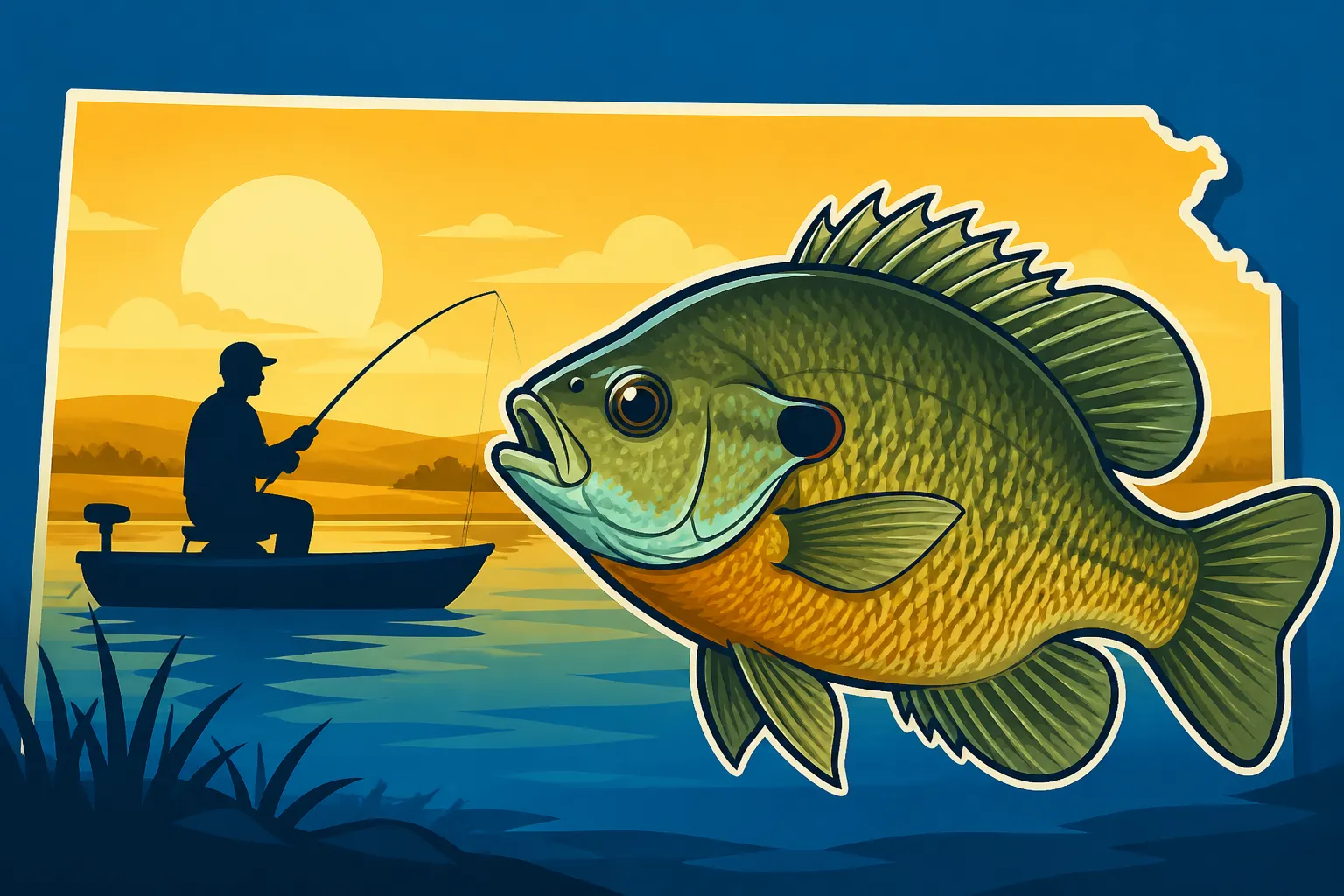
Spotting a bluegill isn't usually too tough, even for a novice. They have that classic "sunfish" shape – a deep, compressed body, almost like a pancake. Their coloration can vary quite a bit depending on the water clarity and diet, but generally, they'll have an olive-green back that fades into a yellowish-green or even bronze on their sides, with a lighter, sometimes yellowish belly. The most defining characteristic, and the one that gives them their name, is the dark blue-black spot on the operculum, which is the gill flap covering the ear.
Another key identifier is the vertical barring often seen on their sides, though these can fade or become more prominent depending on the individual fish and its environment. Look closely, and you might also notice some iridescent blue or green markings on their cheeks and around their mouth. Male bluegill, especially during spawning season, can take on incredibly vibrant colors, often with a deep orange or reddish breast, making them quite striking.
Their mouths are quite small, which is an important detail for anglers. This means you'll typically be using smaller hooks, usually sizes 8 to 12, to ensure a good hook-up. Their dorsal fin is continuous, with a spiny front part and a soft-rayed back part. Understanding these features helps distinguish them from other similar-looking sunfish species you might encounter in Kansas waters, ensuring you correctly identify your catch and adhere to any specific regulations. You can learn more about Kansas Bluegill Identification to become an expert.
Where and When to Find Bluegill
Bluegill are incredibly adaptable and can be found virtually everywhere there's freshwater in Kansas. They thrive in ponds, small lakes, slow-moving rivers, and even the shallow, protected coves of larger reservoirs. They absolutely love structure and cover. Think about areas with submerged vegetation like lily pads or cattails, brush piles, fallen trees, docks, and even riprap along dam faces or bridge abutments. These spots offer them protection from predators and ambush points for their prey.
Seasonally, bluegill are most active during the warmer months, roughly from late spring through early fall. Springtime, particularly as water temperatures climb into the 60s Fahrenheit, is prime time as they move into shallow areas for spawning. During this period, you can often spot their saucer-shaped nests on sandy or gravelly bottoms in just a few feet of water. This is when they are particularly aggressive and concentrated, making them easier to target.
In the heat of summer, bluegill might move a bit deeper during the brightest parts of the day, seeking cooler water and denser cover. Early mornings and late evenings, or even overcast days, will often find them shallower again. During winter, they retreat to deeper holes or areas with submerged structure, becoming less active but still catchable with the right approach. Understanding these seasonal shifts is crucial for consistent success, whether you're targeting them in a local community pond or a large reservoir.
Top Techniques and Baits for Bluegill
When it comes to catching bluegill, simplicity is often the name of the game, but don't underestimate the power of a refined approach. For many, the classic bobber-and-worm setup is king. A small hook, a bit of nightcrawler, redworm, or even a cricket, suspended a few feet under a tiny bobber, is often irresistible to bluegill. This is particularly effective when fishing near visible cover like lily pads or submerged timber. Keep your bait small enough for their little mouths!
Another highly effective technique involves using tiny artificial lures. Small jigs, especially those tipped with a piece of grub, a tiny plastic worm, or even a wax worm, can be deadly. Think jigs in the 1/64th to 1/32nd ounce range, fished on ultra-light tackle. Slowly jigging these near cover or along weed lines can entice plenty of bites. You might even find success with tiny spinners or micro-spoons, especially on brighter days when they're actively chasing bait.
Fly fishing for bluegill is also incredibly popular and immensely fun. Small poppers, foam spiders, or even tiny nymphs and wet flies can provide exhilarating topwater or subsurface action. No matter the method, presentation is key. Use light line (2-4 pound test monofilament or fluorocarbon) to ensure a natural presentation and to maximize your feel for those subtle bluegill bites. For more specifics on what works, check out our guide on Best Bait for Bluegill Ponds.
Redear Sunfish: The Shellcracker of Kansas
If you're looking for a panfish with a bit more heft and a unique dietary preference, then the redear sunfish, affectionately known as the "shellcracker" by many anglers, is your target. While not as universally abundant as the bluegill, healthy populations of redear exist in many Kansas lakes and ponds, offering a distinct and rewarding challenge. These fish are known for their impressive size compared to other sunfish and their penchant for crunching on snails and other mollusks.
The thrill of catching a quality redear is something special. They often put up a surprisingly strong fight on light tackle, pulling harder and longer than their bluegill cousins. For dedicated panfish anglers, targeting redear can become a passion, as they often require a slightly different approach and a more focused search. They might not jump onto every bait you throw, but when you find them, the reward is often a larger, more robust panfish.
Like bluegill, redear sunfish also offer excellent table fare. Their firm, white meat is delicious and well worth the effort of targeting them. Plus, the satisfaction of landing a fish that actively seeks out and crushes hard-shelled prey is pretty cool! It adds another layer of intrigue to the Kansas panfishing scene and encourages anglers to diversify their tactics and explore different parts of their favorite fishing spots.
How to Identify Redear Sunfish
Identifying a redear sunfish isn't too difficult once you know what to look for, but they can sometimes be confused with other sunfish species at first glance. They share the deep, compressed body shape typical of sunfish. Their coloration is usually a silvery-olive to greenish-gold on the back, fading to a lighter, sometimes yellowish-white belly. They often have faint, vertical bars on their sides, similar to bluegill, but generally less pronounced.
The most distinctive feature, and the one that gives them their name, is a prominent red or orange spot on the rear edge of their operculum (gill cover). This "ear" flap is usually black with a reddish margin. This spot is typically bright in males and can be a duller orange or almost yellow in females, but it's always present. Young redear might have a lighter spot, but it's still distinguishable.
Unlike bluegill, redear usually lack the blue streaks on their cheeks and mouth, which is another helpful distinguishing characteristic. Their mouths are also proportionally small, like bluegill, but their pharyngeal teeth (located in the throat) are specifically adapted for crushing the shells of snails, making them true "shellcrackers." Keeping an eye out for that distinct red "ear" will help you confidently identify a redear sunfish. For more detailed tips, refer to the Kansas Redear Sunfish Identification guide.
Prime Redear Habitats and Seasons
Redear sunfish generally prefer cleaner, clearer waters with abundant aquatic vegetation and plenty of snails. They don't typically do well in extremely muddy or turbid environments. Look for them in lakes and ponds that have good weed beds, submerged timber, or even rocky bottoms where snails and other invertebrates can thrive. Unlike bluegill, which are often found right up against the bank, redear tend to prefer slightly deeper water, often suspending just off the bottom near these structures.
Spring and early summer are prime seasons for targeting redear, especially during their spawning period when water temperatures are typically in the high 60s Fahrenheit. Like bluegill, they will move into shallower, hard-bottomed areas to create their nests, often adjacent to weed beds. This is an excellent time to find them concentrated and actively feeding. They often spawn a little later than bluegill in the same waters, so if the bluegill bite has tapered off, the redear might just be getting started.
During the warmer summer months, redear will retreat to deeper water, often relating to submerged brush piles, creek channels, or the deeper edges of weed lines. They can be found near the bottom, diligently searching for their next crunchy meal. In winter, they become less active and move into the deepest parts of the lake, but can still be caught by patient anglers using vertical jigging techniques. Understanding their preference for slightly deeper, cleaner, and snail-rich environments will significantly improve your chances of success.
Effective Redear Fishing Strategies
Because redear sunfish have a diet heavily focused on bottom-dwelling invertebrates, your fishing strategies should reflect this. The most effective baits are often natural ones presented right on or near the bottom. Small pieces of nightcrawler, redworms, crickets, or even small leeches are excellent choices. Tipping a tiny jig with one of these live baits is a classic and highly productive method.
A popular and very effective setup for redear is a small split shot weight, a tiny hook (sizes 8-12), and your chosen bait, fished directly on the bottom or just a few inches above it. A slip bobber can be useful for controlling your depth precisely, especially when targeting fish in deeper water or over submerged brush piles. The key is to keep your bait in their strike zone, which is often right where those snails and mussels are found.
Artificial lures can also work, particularly tiny jigs tipped with soft plastic bodies that mimic worms or grubs. Slowly dragging or twitching these along the bottom can elicit strikes. For fly anglers, small nymphs, scuds, or even tiny clouser minnows fished slowly and deep can be effective. Remember, redear bites can be subtle, sometimes feeling more like a slight pressure than a distinct tap, so pay close attention to your line and rod tip. Patient, methodical fishing in known redear habitat will eventually pay off with these bigger, harder-fighting sunfish.
Crappie: The Delicious Duo of Kansas
When it comes to panfish, crappie often stand apart as the kings of the frying pan. These incredibly popular fish, both white and black crappie, are highly sought after by Kansas anglers for their prolific numbers, eager bites, and absolutely delicious white, flaky meat. There's a reason why crappie tournaments fill up fast and why stories of "slabs" (large crappie) are whispered around bait shops. They offer fantastic sport and even better eating, making them a true jewel of Kansas fishing.
Crappie fishing often involves a bit more strategy than simply dropping a worm, especially when targeting larger fish. These schooling fish love structure and can be found suspended at various depths, which means anglers often need to adjust their presentation to find them. The challenge and reward of locating a school of hungry crappie and then consistently pulling them out is what makes crappie fishing so addictive for many. It's a blend of detective work and skillful execution.
For many Kansas families, crappie fishing trips are annual traditions. Whether it's the spring spawn or the fall feeding frenzy, entire weekends are often dedicated to filling coolers with these delectable fish. The sheer volume of crappie you can catch on a good day, coupled with their excellent taste, firmly cements their place as one of the most beloved panfish in the state. If you haven't experienced a Kansas crappie bite, you're missing out!
White Crappie vs. Black Crappie: Spotting the Differences
In Kansas, anglers primarily target two species of crappie: white crappie and black crappie. While they share many similarities and often inhabit the same waters, there are distinct differences that can help you tell them apart. Both have that classic deep, compressed, silver body, but a closer look reveals their unique characteristics. Knowing which one you've caught can sometimes inform your understanding of the habitat you're fishing.
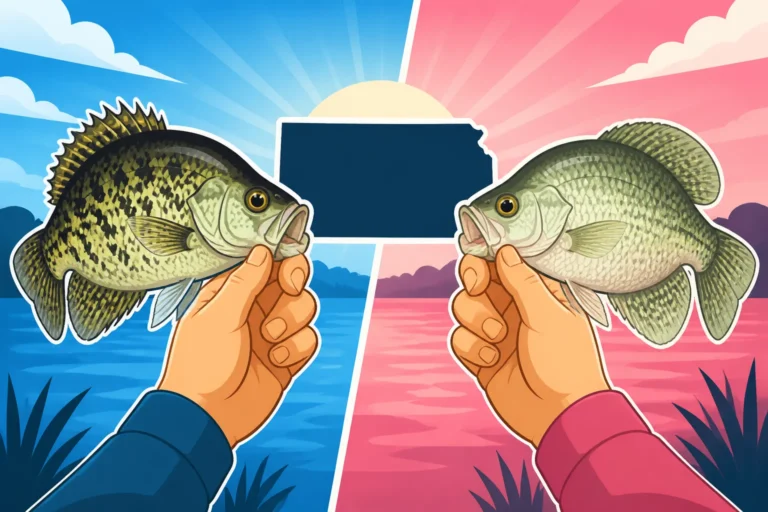
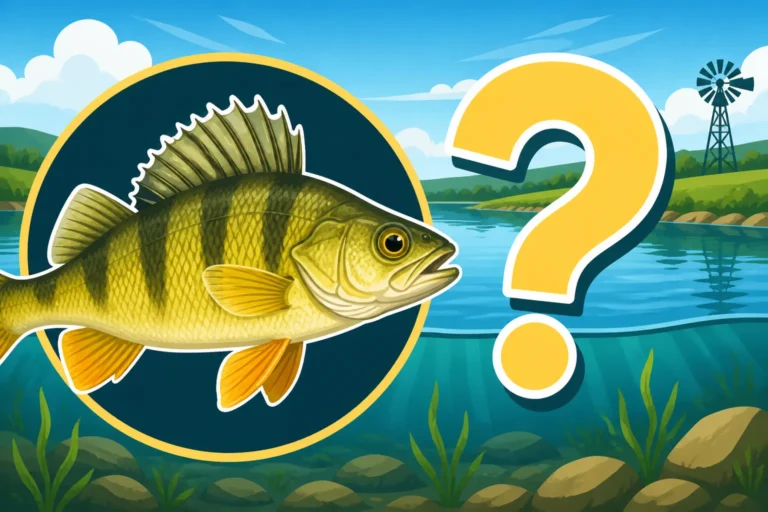
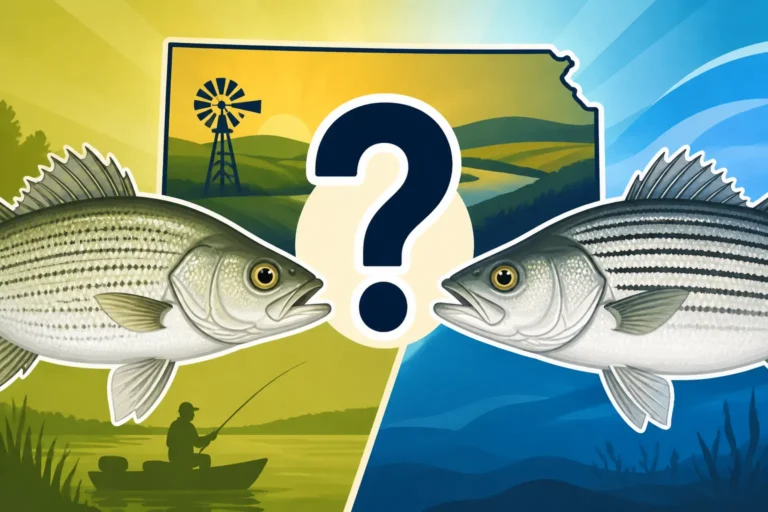
White Crappie are generally characterized by distinct vertical bars on their sides, usually 5 to 7 of them, which are more pronounced than those on a black crappie. Perhaps the most reliable identifier is the number of dorsal fin spines: white crappie typically have 6 dorsal spines. Their bodies tend to be a bit more elongated compared to the black crappie. You'll often find white crappie thriving in larger, more turbid (cloudy) reservoirs and rivers, and they're often more tolerant of fluctuating water conditions.
Black Crappie, on the other hand, have a more mottled or speckled pattern on their sides, appearing as irregular black spots rather than distinct bars. Their dorsal fin usually has 7 or 8 spines, which is the most definitive way to tell them apart from white crappie. Black crappie tend to have a deeper, rounder body profile, giving them a more "disk-like" appearance. They generally prefer clearer water with more aquatic vegetation and stable conditions, though they can coexist with white crappie in many Kansas lakes. Understanding these subtle differences can help you identify your catch. Find out more about Kansas White Crappie Identification and Kansas Black Crappie Identification.
Best Crappie Fishing Spots and Times
Crappie, being structure-oriented schooling fish, are often found in predictable locations across Kansas waters. Their favorite haunts include submerged brush piles, standing timber, flooded creek channels, rock piles, bridge pilings, and the edges of sharp drop-offs. Any feature that offers cover, shade, and a place to ambush baitfish is a potential crappie hotspot. In larger reservoirs like Milford Lake or Cheney Reservoir, finding these subtle submerged structures often requires a good fish finder.
Seasonally, crappie fishing peaks during the spring spawn and again in the fall. In spring, as water temperatures rise into the 50s and 60s Fahrenheit, crappie move into shallow areas to spawn. This is when they are most accessible, often found in coves, around docks, and near shallow brush. The timing can vary, but generally, late April through May is prime time. This is when anglers can fill stringers in short order.
During the hot summer months, crappie typically retreat to deeper, cooler water, often suspending over brush piles in 15-30 feet of water or more. Early mornings and evenings can still provide action closer to shore, but daytime fishing often requires targeting these deeper, cooler sanctuaries. Fall brings another surge of activity as crappie aggressively feed to prepare for winter, often moving back shallower or schooling tightly in creek channels. Winter crappie fishing is also popular, especially through the ice or by finding deep, slow-moving schools. Kansas Spring Crappie Fishing Tips can help you dial in your timing.
Mastering Crappie Techniques and Lures
Crappie fishing can be as simple or as complex as you want to make it, but a few core techniques consistently produce results. The most popular method involves using small jigs, typically 1/32nd to 1/8th ounce, often tipped with a soft plastic grub, tube jig, or a small minnow. These can be cast and retrieved slowly, jigged vertically over structure, or fished under a bobber. The key is to match the jig color and size to what the crappie are feeding on that day and to present it at the correct depth.
Another highly effective technique is spider rigging or "long lining," especially from a boat. This involves deploying multiple long rods with jigs or minnows at various depths and distances behind the boat, covering a wide swath of water to locate schools. This is particularly popular on large Kansas reservoirs where crappie might be scattered or suspended. Trolling with small crankbaits can also be effective for locating active schools, especially in open water.
For bank anglers, a simple slip bobber rig with a minnow or a small jig is hard to beat. Cast it near brush piles or submerged logs, adjust the bobber stop to set your depth, and wait for that familiar dip. Fly anglers can also target crappie with small streamers, nymphs, or even tiny poppers, especially during the spring spawn when crappie are shallow and aggressive. Whatever your chosen method, light line (4-6 pound test) is essential for a natural presentation and to feel those often subtle crappie bites. Check out Best Bait for Kansas Crappie for more ideas.
Other Notable Kansas Panfish Species
While bluegill, redear, and crappie tend to get most of the panfish glory in Kansas, our diverse waters are home to several other fascinating and fun-to-catch species that often get overlooked. These "supporting cast" panfish might not always be the primary target, but they frequently show up on the end of a line, adding variety and unexpected excitement to a fishing trip. They contribute significantly to the overall panfish population and the health of our aquatic ecosystems.
Anglers venturing into different types of water, from small streams to private farm ponds, might encounter these lesser-known panfish. They each have their own unique characteristics, preferred habitats, and fighting styles, making every catch an interesting experience. It’s always a good idea to be able to identify these fish, not just for curiosity's sake, but also to ensure compliance with any specific regulations that might apply to certain species. Learning about them deepens your understanding of the rich biodiversity found in Kansas.
These additional panfish species further underscore the accessibility and appeal of panfishing in Kansas. They reinforce the idea that you don't always need a specific target in mind to have a productive and enjoyable day on the water. Sometimes, the unexpected catch is the most memorable, and these other panfish certainly deliver on that front. It's all part of the grand adventure that is Kansas fishing.
Green Sunfish: The Feisty Little Fighters
The green sunfish is another ubiquitous panfish in Kansas, often found in the same waters as bluegill, but typically favoring slightly different niches. They're often smaller than bluegill, but boy, do they pack a punch! These aggressive little fish will readily attack baits much larger than themselves and put up a surprisingly strong fight for their size. If you've ever caught a fish that looked like a bluegill but had a much bigger mouth and more aggressive stripes, chances are it was a green sunfish.
You can typically identify a green sunfish by its more elongated body shape compared to the classic roundness of a bluegill. They have a larger mouth that extends back to at least the front of the eye, and often have prominent, wavy iridescent blue-green stripes on their cheeks. Their body color is usually olive-green with scattered iridescent spots, and they have a dark spot on their gill cover (operculum) that is usually bordered by a lighter, sometimes orange, margin.
Green sunfish are incredibly hardy and can tolerate a wider range of water conditions, including muddier or warmer water, than many other panfish. They're common in small creeks, ditches, farm ponds, and even the shallows of larger lakes. They're aggressive feeders, often found near cover, and will readily hit small worms, crickets, or tiny artificial lures. While not as prized for the table as bluegill or crappie, their eagerness to bite makes them fantastic targets for new anglers or when other fish are slow.
Warmouth and Other Sunfish Varieties
Beyond bluegill, redear, and green sunfish, Kansas waters might also yield other interesting sunfish species, though they might be less common in most anglers' catches. One such species is the warmouth, which is often mistaken for a green sunfish due to its similar mottled coloration and aggressive nature. However, warmouth typically have three to five prominent dark bars radiating back from their eyes, and a more robust, chunkier body. They also have a larger mouth than a bluegill, similar to the green sunfish.
Warmouth are typically found in sluggish, vegetated waters, often in swamps, backwaters, and muddy ponds. They are carnivorous and ambush predators, readily taking live bait like minnows and worms, as well as small jigs and spinners. While not widespread across all Kansas waters, finding a warmouth can be a fun surprise for anglers who enjoy exploring diverse habitats. Their willingness to bite makes them an enjoyable catch when encountered.
Other less common or more localized sunfish species might include hybrid sunfish, which are often a cross between bluegill and green sunfish, or pumpkinseed sunfish, though the latter are less prevalent in Kansas compared to states further east. These hybrids can be particularly interesting as they often grow larger than their parent species and exhibit a mix of characteristics. The key takeaway is that Kansas waters are a rich tapestry of life, and keeping an eye out for these diverse panfish species adds an extra layer of discovery to every fishing trip. Learning about Kansas Fish Species Guide can help you identify any unexpected catches.
Gear Up for Kansas Panfish Success
One of the greatest advantages of panfishing in Kansas is that you don't need a massive investment in gear to get started. In fact, some of the most enjoyable and successful panfishing trips are made with very simple, affordable tackle. However, having the right tools for the job can significantly enhance your experience, making it more comfortable, efficient, and ultimately, more productive. Don't let the simplicity fool you; choosing appropriate gear can make a big difference.
Investing in quality, even if budget-friendly, gear designed for lighter lines and smaller fish will pay dividends. It means fewer frustrations with tangled lines, lost fish, and broken equipment. Whether you're a seasoned angler looking to fine-tune your panfish setup or a complete beginner just starting out, understanding the basics of panfish tackle will set you up for success on the water. It’s about matching your tools to the task at hand, which for panfish, means finesse and sensitivity.
Think about the conditions you'll be fishing in – from open banks of a community pond to a boat in a brush pile-filled reservoir. Each scenario might call for slight adjustments in your gear, but the core principles remain the same. The goal is to maximize your enjoyment and catch rate, and that starts with a well-chosen rod, reel, line, and a smart selection of baits and lures. Even small details, like the type of bobber or the size of a split shot, can impact your success.
Rods, Reels, and Line for Panfish
For panfishing, light tackle is king. A good panfish rod should be sensitive enough to detect subtle bites but have enough backbone to handle a feisty fish. Look for ultra-light or light action spinning rods, typically between 5 and 7 feet in length. A fast tip is excellent for feeling bites and quickly setting the hook on smaller fish, while the softer action of the rod will prevent you from tearing small hooks out of their mouths. You can find excellent panfish combos on sites like Amazon that are perfect for beginners.
Pair your rod with a small, lightweight spinning reel, usually in the 500 to 1000 series size. These reels are designed for light lines and offer smooth drag systems, which are crucial when a big crappie or bluegill makes a surprising run. A smooth drag prevents line breakage and ensures an enjoyable fight. You don't need anything fancy, just a reliable reel that balances well with your chosen rod.
When it comes to line, lighter is almost always better for panfish. Two to six-pound test monofilament or fluorocarbon is ideal. Monofilament is very forgiving, has good knot strength, and is budget-friendly. Fluorocarbon is less visible underwater and offers more sensitivity, making it a great choice for clearer water or finicky bites. Some anglers even use light braided line with a fluorocarbon leader for maximum sensitivity and casting distance, especially when fishing small jigs. For a comprehensive guide, check out Best Rod and Reel Combo for Crappie.
Essential Baits and Lures for Your Tackle Box
The beauty of panfish is their willingness to bite a wide variety of offerings, making your tackle box a playground of possibilities. However, some baits and lures are absolute must-haves for any Kansas panfish angler.
Live Baits:
- Worms: Redworms and pieces of nightcrawlers are universal panfish magnets. Keep them fresh!
- Crickets/Grasshoppers: Especially deadly for bluegill and other sunfish during warmer months.
- Minnows: Small shiner or fathead minnows are irresistible to crappie and larger sunfish, particularly when fished under a bobber or vertically jigged.
Artificial Lures:
- Jigs: This is arguably the most versatile panfish lure. Stock up on small jig heads (1/64 to 1/8 ounce) in various colors. Tip them with tiny soft plastic grubs, tube jigs, or micro worms. Marabou jigs are also incredibly effective.
- Spinners: Small inline spinners (e.g., Mepps, Rooster Tail) in sizes 0 to 2 are excellent for covering water and triggering aggressive bites from crappie and larger sunfish.
- Tiny Crankbaits: Micro crankbaits, especially those with a shallow diving lip, can be surprisingly effective for crappie, particularly when trolling or casting along weed edges.
Having a good selection of these basics will prepare you for almost any panfish scenario in Kansas. Don't be afraid to experiment with colors and sizes; what works one day might not work the next.
Must-Have Accessories for a Panfish Trip
Beyond your rod, reel, and tackle, a few essential accessories can make your Kansas panfish trip more enjoyable and productive.
- Bobbers: Both fixed and slip bobbers are indispensable. Fixed bobbers are great for shallow water, while slip bobbers allow you to fish at precise depths in deeper water.
- Sinkers: A selection of small split shot weights will help you get your bait down to the strike zone.
- Hooks: Keep a variety of small, sharp hooks on hand, typically sizes 6 to 12. Aberdeen hooks are popular for live bait as they are thin and don't damage the bait as much.
- Pliers/Forceps: Essential for removing hooks safely, especially from smaller fish. A good pair can be found on Amazon.
- Stringer or Livewell: If you plan on keeping fish for dinner, a stringer or a small livewell/bucket will keep your catch fresh.
- Net: A small, fine-mesh landing net can be handy for scooping up larger crappie or bluegill, preventing them from flopping off the hook at the last minute.
- Sun Protection: Hat, sunglasses, and sunscreen are crucial for comfortable days on the water, protecting you from the Kansas sun.
- Bug Spray: Especially important during warmer months around stagnant water.
Having these items readily available in a small tackle bag or box will ensure you're prepared for whatever the day brings and maximize your time fishing instead of fumbling for gear.
Regulations and Conservation: Keeping Kansas Waters Healthy
As much as we love to catch panfish in Kansas, it’s absolutely crucial that we all do our part to ensure these fantastic resources remain healthy and abundant for generations to come. This means understanding and respecting the fishing regulations set forth by the Kansas Department of Wildlife, Parks and Tourism (KDWPT). These rules aren't there to hinder your fun; they're in place to manage fish populations, protect habitats, and promote sustainable angling practices across the state.
Ignoring regulations, even inadvertently, can have serious consequences, both for the individual angler and for the fish populations. It's our responsibility as stewards of the environment to educate ourselves and fish ethically. Beyond just the rules, embracing a conservation mindset, whether through selective harvesting or careful catch-and-release, ensures that the joy of panfishing can be shared by future generations of Kansas anglers.
So, before you head out, take a few minutes to review the current regulations for the specific body of water you plan to fish. You can often find this information online or in a printed fishing guide available at bait shops. It's a small investment of your time that makes a huge difference in the long run. Let's make sure our kids and grandkids can experience the same thrill of reeling in a Kansas panfish that we do.
Understanding Panfish Limits and Seasons
A key component of responsible fishing in Kansas is understanding and adhering to the daily creel limits and length limits for various species. While panfish are generally abundant, these limits are in place to prevent overharvesting, especially of larger, spawning-size fish that are vital for future populations. For panfish like crappie, bluegill, and other sunfish, Kansas typically has generous daily limits, reflecting their prolific nature.
For example, Kansas Crappie Length and Bag Limits often specify a generous daily limit for crappie, but sometimes with a minimum length. This minimum length ensures that younger fish have a chance to grow and reproduce before being harvested. Bluegill and other sunfish often have even higher daily limits, or sometimes no length limit, due to their incredible reproductive capacity and fast growth rates. However, it's always best to check the current KDWPT regulations, as they can vary by water body.
There are generally no closed seasons for panfish in Kansas, meaning you can pursue them year-round. However, certain tactics or areas might be restricted during specific times to protect spawning fish or sensitive habitats. Always consult the most current KDWPT fishing regulations summary for the specific water body you plan to fish. You'll find comprehensive details in the Kansas Fishing Regulations Explained guide. Knowing these rules helps ensure you're fishing legally and responsibly, contributing to the health of Kansas's fisheries.
Catch and Release vs. Keeping Your Catch
Deciding whether to keep your panfish or release them is a personal choice, but it's one that can have a significant impact on local fish populations. For many Kansas anglers, the appeal of panfish is bringing home a delicious meal, and there's absolutely nothing wrong with that, provided you stay within your legal limits. Panfish reproduce quickly, and harvesting smaller to medium-sized fish can actually benefit the population by reducing competition for food and allowing larger fish to grow.
However, practicing selective harvesting is a highly recommended approach. This means keeping the numbers of fish you need for a meal and releasing the rest, especially larger, older fish that are important for breeding. Some anglers even prefer to release all of their largest crappie or bluegill, recognizing their value as breeders and their impressive fighting spirit. If you do plan to release fish, handle them gently, minimize their time out of water, and use de-barbed hooks to reduce injury.
Catch and release can be a fantastic way to enjoy a day on the water without impacting fish stocks, especially if you're fishing a popular spot or targeting species with tighter limits. It allows more anglers to enjoy the resource and ensures a healthy future for the fishery. Ultimately, responsible angling means making thoughtful decisions about what to keep and what to release, always prioritizing the long-term health of the fish population over a full cooler.
Protecting Panfish Habitats for Future Generations
Beyond observing limits, one of the most vital aspects of panfish conservation is protecting and enhancing their habitats. Fish need clean water, ample food sources, and suitable places to live, spawn, and hide. Many panfish species rely heavily on aquatic vegetation, submerged timber, and other structures for their survival. Anything that degrades these habitats – from pollution to excessive erosion – negatively impacts the fish.
Simple actions by anglers can make a big difference. Always pack out everything you pack in, and never leave trash or discarded fishing line behind. Discarded line is a serious hazard to wildlife. Report any signs of pollution or habitat destruction to the KDWPT. Consider participating in local lake cleanup efforts or conservation projects. Even being mindful of not tearing up weed beds with your boat or anchor can help preserve critical fish habitat.
Encouraging proper land management around lakes and ponds also plays a role. Reducing runoff from fertilizers and pesticides helps keep water clean and healthy for fish. By being advocates for clean water and healthy habitats, we ensure that Kansas's panfish populations not only survive but thrive. This collective effort safeguards the fishing experiences we cherish and passes on a legacy of conservation to those who will fish these waters long after we're gone. Remember, a healthy ecosystem means healthy fish.
Disclaimer
This article is for general informational purposes only and does not constitute professional advice. Laws, prices and regulations vary by location and change over time. Consult a qualified professional for guidance on your specific situation.