Kansas State Record Fish Guide
For many Kansas anglers, the dream isn't just about catching a fish; it's about catching the fish – the one that makes history. The quest for a state record can feel like an impossible challenge, shrouded in mystery and complex rules, leaving many wondering if their monster catch even stands a chance. This comprehensive guide is here to demystify the Kansas state record process, breaking down everything you need to know about pursuing, catching, and properly submitting that potential record-breaking fish.
The Thrill of the Chase: Understanding Kansas State Records
There's a special kind of excitement that courses through an angler's veins when they hook into something truly extraordinary. It's the moment when the line screams off the reel, the rod bends in a precarious arc, and you know, deep down, that this might be the one. In Kansas, that "one" could mean etching your name into the state's angling history books by catching a state record fish. It's a challenging, rewarding pursuit that demands skill, patience, and a little bit of luck.
Why State Records Matter to Anglers
Beyond the sheer bragging rights, holding a state record is a profound badge of honor within the fishing community. It's a testament to an angler's dedication, their understanding of fish behavior, and their ability to execute perfectly when opportunity strikes. For many, it's the culmination of years spent on the water, honing techniques and learning the secrets of Kansas's diverse fisheries. Imagine the satisfaction of knowing that the fish you wrestled from the depths is bigger than any caught before it in the state! It instills a deep sense of pride, not just for the individual, but often for their local community or even their favorite lake. These records also serve as inspiring benchmarks, pushing other anglers to improve their craft and explore new waters, helping to keep the sport vibrant and competitive.
The recognition that comes with a state record can also elevate an angler to a revered status among their peers. Their name becomes synonymous with their incredible catch, and their story becomes part of the local fishing lore. It's a tangible way to prove your mettle and leave a lasting mark on the sport you love. The legacy of these catches contributes significantly to the rich tapestry of Kansas fishing history, giving everyone something to aspire to, whether they're chasing the next record or just a personal best.
The Kansas State Record Program: How It Works
The Kansas Department of Wildlife and Parks (KDWP) is the governing body responsible for maintaining and certifying state fishing records. They've established a clear, albeit rigorous, system to ensure that all record catches are legitimate, ethically obtained, and accurately documented. This program covers a wide array of species, from the common channel catfish to more elusive paddlefish and specific trout species, each with its own established record to beat. The KDWP acts as the impartial arbiter, ensuring fairness and integrity throughout the entire process.
Understanding how this program functions is the first crucial step for any aspiring record holder. It's not just about the size of the fish; it's about playing by the rules. The KDWP provides detailed guidelines, often available on their website or in their annual fishing regulations summary, outlining everything from eligible species to required tackle and submission procedures. Historically, these records have chronicled decades of Kansas angling achievements, evolving as fishing methods and fish populations have changed. Each record tells a story of a particular fish, a specific body of water, and an angler's monumental effort. To get started, you'll definitely want to familiarize yourself with the Kansas Fishing Regulations Explained to ensure all your angling endeavors are within legal bounds.
General Rules and Regulations for Record Fish Submissions
Landing a massive fish is one thing; getting it certified as a state record is another entirely. The KDWP has a stringent set of rules designed to ensure fair play and accurate reporting. It's not enough to simply catch a big fish; you need to prove its legitimacy through a precise and verifiable process. Overlooking even a small detail can invalidate an otherwise incredible catch, which can be incredibly frustrating for an angler who thought they had a record.
Essential Criteria for a Valid Record Catch
Before you even think about measuring, there are fundamental criteria that your catch must meet to be considered for a state record. First and foremost, the fish must be caught legally, meaning you, the angler, must possess a valid Kansas Fishing License Guide at the time of the catch. No license, no record—it's that simple. Furthermore, the fishing method used must comply with all state regulations. This typically means standard rod and reel methods, but KDWP also recognizes records for alternative methods like bowfishing or trotlining, provided they meet specific criteria.
The concept of "fair chase" is also paramount. This means the fish must be hooked and fought by the individual making the claim, without any undue assistance or artificial manipulation of the fish. You can't, for example, snag a fish and claim it for a rod and reel record, nor can multiple people take turns fighting the fish. It must be a genuine, unassisted battle between angler and fish. Any evidence of illegal or unsportsmanlike conduct will result in immediate disqualification. These rules are in place to uphold the integrity of the sport and ensure that all records truly reflect the skill and effort of the angler.
The Critical Role of Accurate Measurement and Weighing
This is where many potential records fall short. Precision is absolutely non-negotiable when it comes to measuring and weighing a record-contending fish. The KDWP requires that the fish be weighed on a certified scale, usually one that has been officially calibrated and sealed by a Weights and Measures authority. You can often find these at reputable bait shops, meat markets, or some sporting goods stores that are equipped to handle such certifications. A simple bathroom scale or a handheld digital scale won't cut it. The goal is to eliminate any margin for error, ensuring the weight is beyond dispute.
Beyond just the weight, the length and girth of the fish are also typically recorded, often for informational purposes or to break ties if multiple fish weigh the same (though this is rare). This means using a reliable, non-stretching measuring tape. The measurement usually goes from the tip of the snout to the tip of the tail, compressed, providing a maximum length. Having these measurements, along with the weight, helps create a complete profile of the record fish. When you’re dealing with a once-in-a-lifetime catch, you want to ensure every detail is spot on. Many anglers, even those not actively chasing records, carry high-quality, certified scales and measuring tapes, available on platforms like Amazon, for personal bests, just in case.
Documentation Requirements: Photos, Witnesses, and Paperwork
Proof, proof, and more proof! The KDWP requires robust documentation to accompany any state record submission. This typically includes clear, high-resolution photographs of the fish, ideally from multiple angles, showcasing its full size and condition. Photos with the angler, the weighing process, and the measuring tape are often extremely helpful. These images provide visual evidence that corroborates your written application. Make sure the photos are taken immediately after the catch, before any potential desiccation or damage occurs.
Furthermore, at least one, and preferably two, credible witnesses are usually required to sign off on the catch, weighing, and measuring process. These witnesses should not be immediate family members if possible, to further bolster the impartiality of the claim. Their statements confirm that they observed the fish being weighed and measured according to the proper protocols. Finally, there's the official KDWP state record application form itself. This form asks for all pertinent details, including species, date, time, location of catch, angler information, equipment used, and witness signatures. Filling this out completely and accurately, without rushing in the excitement of the moment, is crucial. It’s a painstaking process, but every step is designed to validate your incredible achievement.
Key Categories of Kansas State Record Fish
The Kansas state record program isn't a one-size-fits-all endeavor. To properly recognize the diverse ways anglers pursue fish, and the varying challenges each method presents, the KDWP has established distinct categories. This ensures that a record caught on a traditional rod and reel isn't competing directly with one taken via bowfishing, allowing for a broader spectrum of achievements to be celebrated. It reflects the rich angling traditions across the state, from quiet evenings by the lake to adrenaline-fueled river pursuits.
Rod and Reel Records: The Traditional Challenge
This is by far the most popular and recognized category for state record fish. The vast majority of species listed in the KDWP record books are caught using conventional rod and reel setups, emphasizing the skill and patience involved in enticing a bite and then expertly fighting the fish to the net. From the fierce tug of a channel catfish to the subtle pick-up of a walleye, these records celebrate the classic angling experience. Each species, whether it's a largemouth bass, a crappie, or a particularly large drum, has its own dedicated spot on the record list.
The current leaders in these categories are often legendary fish that took extraordinary effort to land. Think of the massive blue catfish pulled from the Missouri River, or the gargantuan flathead from one of Kansas's larger reservoirs. These aren't just big fish; they represent the pinnacle of angling achievement for their species within the state. Anglers often spend years specifically targeting trophy-sized fish with the hope of breaking into these revered lists. To maximize your chances, understanding species-specific behaviors and habitats is key, such as delving into Kansas Walleye Fishing Techniques or specialized tactics for landing trophy catfish.
Alternative Tackle Records: Beyond the Rod and Reel
While rod and reel fishing dominates, Kansas also recognizes records for fish caught using "alternative tackle." This category highlights the unique skills and traditions associated with other methods, which are deeply ingrained in Kansas's fishing culture. These include:
- Trotline: A trotline consists of a main line anchored across a body of water or suspended, with numerous baited hooks attached at intervals. It's a passive method, but requires considerable skill in deployment and understanding of fish habits.
- Jugline: Similar to trotlines, juglines use individual buoyant jugs or bottles with a baited line suspended beneath them. These are often used for catfish and can be a very effective way to cover large areas. Kansas Trotline and Jug Fishing Rules outlines the specific regulations for these methods.
- Bowfishing: This exciting, active method involves shooting fish with specialized archery equipment, typically in shallow waters. Species like carp, gar, and buffalo are popular targets. Kansas Bowfishing Regulations provides details on what's legal.
- Spearfishing/Gigging: In certain waters and for specific species, spearfishing or gigging is permitted. This often involves clear water and requires keen eyesight and quick reflexes.
Each of these alternative methods has its own set of challenges and demands different skills from the angler. For example, a record paddlefish caught by snagging demonstrates a different kind of prowess than a rod-and-reel walleye, but both are valid and celebrated within their respective categories. It's about recognizing the diverse fishing heritage and legal methods available to Kansas anglers.
Youth and Junior Records: Inspiring the Next Generation
Recognizing the vital role of introducing children to fishing, the KDWP often maintains separate categories for youth and junior anglers. These records are specifically designed to encourage younger generations to get involved in the sport and provide them with attainable goals. Imagine the excitement of a young angler holding a state record for their age group! It’s an experience that can spark a lifelong passion for the outdoors and conservation.
While the fundamental rules for weighing and measuring remain the same, the competition is limited to specific age ranges, making it a fair playing field for budding anglers. These categories reinforce the idea that fishing is for everyone, regardless of age, and celebrate achievements at all levels. It also creates wonderful family memories and provides a unique opportunity for parents and mentors to guide young anglers through the process of ethical fishing and record submission. Promoting youth involvement ensures the future of Kansas fishing remains bright and vibrant. Do Kids Need a Fishing License in Kansas? is a great resource for parents starting out.
Spotlight on Major Kansas Game Fish Records
Kansas is blessed with an incredible variety of game fish, each offering a unique challenge to the angler. From the mighty catfish that patrol the depths of our rivers and reservoirs to the elusive walleye and the feisty bass, there are records to be broken across the state. Understanding the specific characteristics and habitats of these major species is crucial for anyone hoping to land a true trophy.
Chasing the Giants: Catfish Records
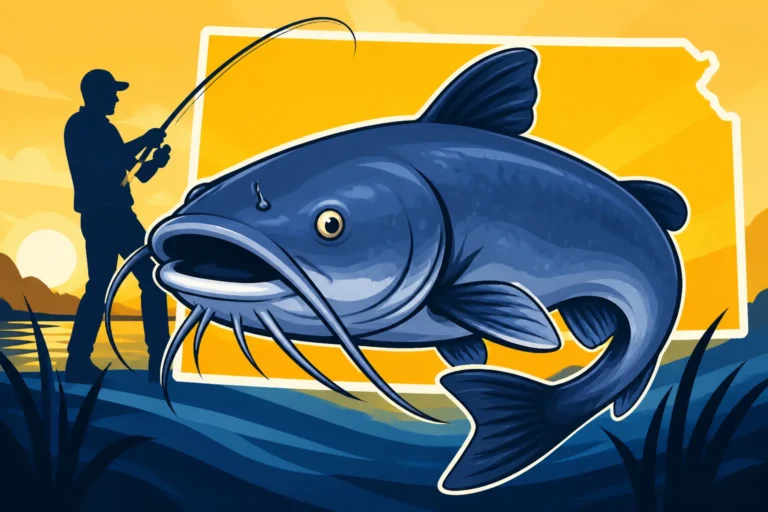
Catfish hold a special place in the hearts of many Kansas anglers, and for good reason—they grow big. The state boasts impressive records for all three major species: Channel Catfish, Blue Catfish, and Flathead Catfish. Each presents its own set of challenges and demands specific approaches.
- Channel Catfish: Often found in rivers, ponds, and reservoirs, channel cats are the most widespread catfish species in Kansas. They're aggressive eaters, and while trophy channels can be tough to find, they often fall for cut bait, stink bait, or even a simple worm. Chasing a record channel means targeting mature fish in well-established waters. The current state record for a channel cat is a fish of truly astonishing size, a testament to the growth potential in Kansas waters. These records are generally broken by anglers who consistently fish prime habitat with robust gear, often opting for bait available through retailers like Amazon.
- Blue Catfish: The true titans of Kansas waters, blue catfish are primarily found in the larger river systems and massive reservoirs like Milford Lake and Tuttle Creek. These fish can reach truly gargantuan sizes, often exceeding 100 pounds. Targeting state record blue cats requires heavy-duty gear, large cut bait (like shad or carp), and a deep understanding of river currents and deep-water structure. Imagine the fight a fish like that puts up! Anglers often rely on specialized knowledge of river bends, deep holes, and current breaks to find these monsters. For more on this impressive species, check out Kansas Blue Catfish Facts and Limits.
- Flathead Catfish: Known for their predatory nature and preference for live bait, flathead catfish are ambush predators that lurk in sunken timber and rocky cover. They're elusive and powerful, and a record-sized flathead is a prized catch. Large live bluegill or perch are often the bait of choice. Successfully targeting record flatheads means spending time patiently fishing submerged structure in rivers and reservoirs. These fish are often found where cover is dense and currents provide ample prey. Their solitary nature makes them challenging, but incredibly rewarding. The daily limits for flatheads can sometimes differ from other catfish, so always verify with Kansas Flathead Catfish Daily Limit.
Walleye and Wiper: Prestigious Predators
Walleye and Wiper are two other highly sought-after game fish in Kansas, prized for their challenging fight and excellent table fare. Both can reach impressive sizes, making them prime targets for state record aspirations.
- Walleye: These sharp-toothed predators are favorites among Kansas anglers, especially in large reservoirs like Wilson Lake, Cheney Reservoir, and Milford Lake. Chasing a record walleye often involves trolling with crankbaits, jigging blade baits, or using live bait like nightcrawlers or minnows, particularly around rocky points, humps, and submerged timber. They are notorious for being finicky, making a record catch even more significant. Understanding their seasonal movements and preferred depths is key. Many anglers turn to specialized lures and baits, which are readily available from online retailers like Amazon, to tempt these cunning fish. Learn more about effective methods in Kansas Walleye Fishing Techniques.
- Wiper (Hybrid Striped Bass): A cross between a white bass and a striped bass, wipers are incredibly hard-fighting, schooling fish found in many of Kansas's larger reservoirs. They grow much larger than white bass and provide an explosive fight. Record wipers are often caught by anglers trolling large crankbaits, casting swimbaits, or using live shad. They tend to follow baitfish schools, so locating those schools is often the first step to finding trophy wipers. The thrill of a wiper smashing a topwater lure is unmatched! If you're serious about targeting these powerful hybrids, reading up on Kansas Wiper Fishing Techniques will give you a significant advantage.
Bass and Crappie: Popular Pursuits
No discussion of Kansas fishing is complete without mentioning bass and crappie. These species are incredibly popular, offering exciting fishing opportunities and impressive record potential.
- Largemouth Bass: The king of freshwater sportfish for many, largemouth bass are abundant in Kansas ponds, lakes, and reservoirs. Chasing a record largemouth involves meticulous exploration of cover—lily pads, fallen trees, docks, and weed lines—and using a wide array of lures like plastic worms, jigs, spinnerbaits, and crankbaits. A truly massive largemouth is a rare and exciting catch. Understanding their seasonal patterns, particularly during the spawn and post-spawn periods, is crucial. For detailed insights into these aggressive fish, explore Kansas Largemouth Bass Facts.
- Smallmouth Bass: While less widespread than largemouths, smallmouth bass offer an incredible fight and are a favorite among anglers who target them in rocky reservoirs and clear-water streams. These "bronze backs" fight harder than their size suggests. Record smallmouths are often found around rocky shorelines, rip-rap, and main lake points, typically falling for crankbaits, jigs, or smallmouth-specific soft plastics. Their aggressive nature and stunning leaps make them a thrilling catch.
- White and Black Crappie: Beloved by anglers for their delicious meat and schooling behavior, crappie are found in virtually every body of water in Kansas. While many anglers target them for numbers, truly large, record-sized crappie are sought after by dedicated slab hunters. White crappie are more common in murkier water, while black crappie prefer clearer, vegetated environments. Both respond well to minnows, jigs, and small spoons fished around brush piles, submerged timber, and bridge pilings. Understanding the subtle differences between these species, as detailed in Kansas White Crappie Identification, can help you identify a potential record. Finding that monster crappie often involves working structure methodically and being at the right place at the right time, especially during their spring spawn.
Lesser-Known but Equally Impressive State Records
While the big game fish often steal the spotlight, Kansas offers state record opportunities for a host of other fascinating and challenging species. Don't underestimate the thrill of pursuing a record panfish or one of the state's more unique aquatic inhabitants. These categories prove that record fishing isn't just about massive weights; it's about pushing the boundaries of what's possible for any given species.
Panfish and Sunfish: Overlooked Contenders
Often considered "beginner" fish, panfish like bluegill, redear sunfish, and green sunfish can grow to surprisingly large sizes in Kansas, and dedicated anglers actively pursue records for these species. A record panfish might not weigh as much as a catfish, but it represents an equally impressive achievement given the typical size of these fish.
- Bluegill: The ubiquitous bluegill, with its vibrant colors and aggressive strikes, is a staple of Kansas fishing. While most are caught for fun, record bluegill are truly dinner-plate sized. They thrive in ponds and quiet coves, often found around submerged vegetation, docks, and brush. Targeting a record bluegill means using small baits like worms, crickets, or tiny jigs, but with gear stout enough to handle a surprisingly powerful tug. Finding areas with abundant forage and minimal fishing pressure can yield impressive results. Dive deeper into their characteristics with Kansas Bluegill Identification.
- Redear Sunfish: Known as "shellcrackers" for their ability to crush snails and other mollusks, redear sunfish are a prized panfish in many Kansas waters, especially those with good aquatic vegetation. They grow larger than bluegill on average and offer a tougher fight. Record redears are often found by anglers fishing beds during the spawn or targeting areas with abundant clam and snail populations. Small worms, crickets, or even fly-fishing nymphs can entice these beauties. Learning more about them in Kansas Redear Sunfish Identification can give you an edge.
- Green Sunfish: Another common sunfish, green sunfish are hardy and widespread. While typically smaller than bluegill or redear, a record green sunfish would be an exceptional catch. They are highly aggressive and will hit almost any small bait or lure, making them a fun target. Finding a body of water where they truly flourish and grow to exceptional sizes is the key to pursuing this record.
Trout and Other Stocked Species
Kansas isn't typically known for its trout fishing, but thanks to the KDWP's stocking programs, anglers have the opportunity to pursue impressive rainbow and golden rainbow trout, even setting records. These species offer a unique challenge in a state more associated with warm-water fishing.
- Rainbow Trout: During the cooler months, the KDWP stocks various urban and community lakes, as well as designated trout waters, with rainbow trout. While many are caught for recreation, some can grow to significant sizes. A record rainbow trout in Kansas would be an exceptionally large fish for a stocked environment. Anglers typically use power bait, corn, worms, or small spinners and flies. Understanding the stocking schedule and targeting recently stocked waters, or those where trout have had time to grow larger, is crucial. For information on permits and seasons, consult the Kansas Trout Permit Guide and for general tips, check out the Kansas Trout Fishing Guide.
- Golden Rainbow Trout: Occasionally, the KDWP includes "golden rainbow trout" in their stockings. These visually stunning, golden-orange fish are simply a color variant of the rainbow trout, but they add an extra layer of excitement to the winter trout season. Catching a record golden rainbow would be a truly memorable experience due to their unique appearance and relatively limited numbers.
Unique Records: Paddlefish, Gar, and Drum
Beyond the mainstream game fish, Kansas offers record categories for some truly unique and often ancient-looking species. These fish require specialized techniques and often attract anglers looking for a different kind of challenge.
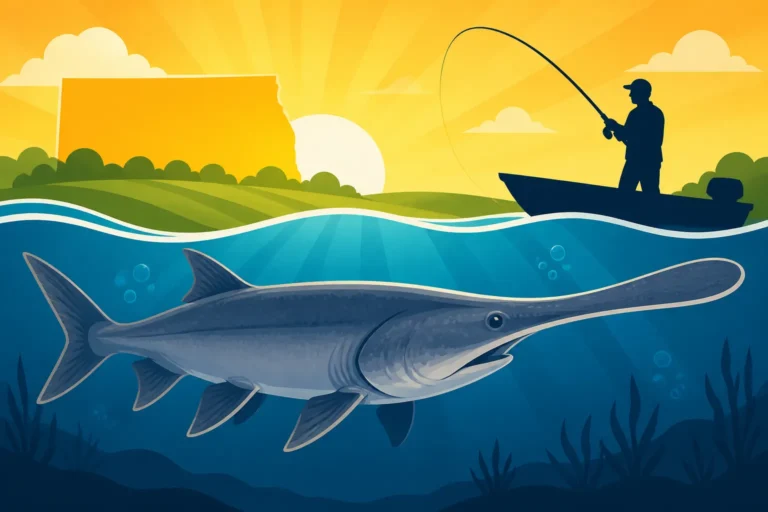
- Paddlefish: These ancient, plankton-feeding giants are truly unlike any other fish in Kansas. Found primarily in the Missouri River and its tributaries, paddlefish are caught by "snagging" during specific seasons. A record paddlefish is a truly immense creature, often weighing well over 100 pounds. Successfully snagging a record-contending paddlefish requires heavy-duty rods, stout line, and an understanding of where these fish congregate. You can learn more about these fascinating filter-feeders in Kansas Paddlefish Facts.
- Gar Species: Kansas is home to several species of gar, including longnose, shortnose, and spotted gar. These toothy predators are often overlooked but offer a formidable fight and can grow to impressive lengths. They are typically caught by bowfishing, or on heavy-duty conventional tackle using cut bait or even rope lures designed to entangle their teeth. A record gar, especially a longnose, would be a very long and powerful fish.
- Freshwater Drum: Also known as "sheepshead," freshwater drum are bottom-dwelling fish found in many Kansas lakes and rivers. While not always targeted, they can grow to substantial sizes and provide a surprisingly good fight. A record drum would be a thick, heavy fish often caught incidentally while targeting catfish or walleye, but dedicated anglers can pursue them using baits like crawfish, worms, or cut bait on the bottom. For a detailed look at their characteristics, see Kansas Drum Fish Identification.
Practical Tips for Aspiring Record Holders
Dreaming of a state record is one thing, but making it a reality requires a strategic approach. It's about combining knowledge, the right equipment, and an unwavering commitment to ethical angling. Without these elements, even the largest fish might remain just a good fishing story.
Researching Current Records and Hotspots
The first step in any record pursuit is thorough research. You need to know what you're up against. The KDWP website is the definitive source for current state records. Study the existing records for the species you intend to target: what's the weight? What body of water was it caught from? When was it caught? This information provides invaluable clues about where to focus your efforts and what size of fish you need to surpass. Understanding these benchmarks helps set realistic goals and identify potential hotspots.
Beyond official records, tap into local knowledge. Talk to experienced anglers at bait shops, attend fishing club meetings, or join online forums. Local expertise can offer insights into specific lakes or river stretches known for producing unusually large fish of a certain species. For instance, if you're targeting walleye, knowing which areas of Best Fishing Lakes in Kansas consistently produce bigger specimens can make all the difference. Sometimes, a lesser-known pond or a secluded river bend might hold a hidden giant that's been overlooked.
Gear Up for Success: Equipment Essentials
Chasing a record fish is not the time to skimp on your equipment. When that once-in-a-lifetime bite happens, you need gear that can withstand the immense pressure of battling a true leviathan.
- Heavy-Duty Rods and Reels: For species like blue catfish or large flatheads, you'll need rods with significant backbone and reels with smooth, powerful drags capable of handling heavy lines and furious runs. A sturdy saltwater spinning reel or a robust baitcasting reel paired with a strong, appropriately rated rod is essential. For panfish, while still needing sensitivity, a slightly stiffer ultralight rod can help you handle a bigger-than-average specimen. If you're targeting giant catfish, consider the recommendations in Best Rod and Reel Combo for Catfish.
- Strong Line: Braided line with a high pound test is often preferred for its strength and minimal stretch, giving you maximum power and sensitivity. For some species, a strong fluorocarbon leader might be necessary for abrasion resistance or stealth. Always use fresh line and check it regularly for nicks and abrasions.
- Reliable Scales and Measuring Tapes: As discussed, a certified scale is non-negotiable for official record submissions. Invest in one, or know exactly where you can access one quickly. A good quality, non-stretching measuring tape is also vital. You can find a wide range of reliable, certified scales and heavy-duty measuring tapes on Amazon, often at competitive prices, making it easier to acquire the necessary equipment beforehand.
- Large Landing Net or Gaff: Trying to land a monster fish by hand can be dangerous and could result in losing your record. A large, sturdy landing net with a wide hoop and deep mesh is ideal for most species. For truly massive catfish or paddlefish, a gaff might be a more appropriate tool, but know how to use it safely and ethically.
Patience, Persistence, and Ethical Angling
Record fishing is not for the faint of heart. It requires an immense amount of patience to wait for that one bite, and persistence to keep trying even after countless fruitless trips. You might spend days, weeks, or even years targeting a specific species in a specific location before your efforts pay off. Learning to read the water, understand fish patterns, and adapt to changing conditions are all part of the journey.
More importantly, always prioritize ethical angling practices. This includes respecting catch and release for fish that don't meet record criteria or those you don't intend to keep. Handle all fish gently, minimize their time out of water, and revive them properly. Know your Kansas Fishing Seasons and Limits for all species. If you do catch a potential record, ensure you have a plan to keep the fish alive and healthy until it can be officially weighed and measured, as this often means transporting it carefully. Your passion for breaking a record should never compromise the well-being of the fish or the health of the fishery.
The Journey of a State Record Submission: Step-by-Step
You’ve done it. The rod was nearly ripped from your hands, the fight was epic, and now you’re holding a fish that looks like it could shatter the existing state record. What next? The moments immediately following a potential record catch are crucial, and a precise, step-by-step approach is vital to ensure your catch is properly documented and submitted. Don’t let the excitement cause you to overlook these critical steps, which could mean the difference between a new state record and just a really great fish story.
The Immediate Aftermath: Preserving Your Catch
The clock starts ticking the moment that fish hits the deck or the bank. Weight loss due to dehydration is a real concern, so preserving your catch is paramount.
- Keep it Alive (if possible): If you intend to release the fish after weighing and measuring, or if you need time to get to a certified scale, keep the fish alive in a livewell or a large cooler filled with fresh, aerated water. This is especially important for species that are sensitive or where immediate weighing isn't possible. A large livewell with an aerator, which you can easily find on Amazon, can be a lifesaver for record pursuits.
- Keep it Cool: If keeping it alive isn't feasible, or if you plan to harvest the fish, immediately place it on ice or in a cooler with ice. This helps prevent weight loss due to dehydration and spoilage. Do not gut or clean the fish before it is officially weighed and measured, as this will alter its weight.
- Document Immediately: Take preliminary photos with the fish, yourself, and any witnesses. While official photos will be taken at the weigh station, these immediate shots serve as initial proof of your catch’s condition and dimensions. This initial documentation can be critical in establishing the validity of your claim, especially if there are any questions later on.
Finding an Official Weigh Station and Measurer
Once your fish is secured, the next urgent task is to locate an official weigh station and a KDWP representative or authorized measurer. This isn't something you can do at home with your kitchen scale.
- Contact KDWP: The best course of action is to immediately contact the Kansas Department of Wildlife and Parks (KDWP). They will guide you to the nearest certified scale and, if necessary, help arrange for an official to verify the species, weight, and measurements. Their phone number is usually available in the annual regulations guide or on their website.
- Certified Scales: Look for local businesses that possess certified scales. These often include reputable bait and tackle shops, some grocery stores or meat markets, and occasionally even sporting goods stores that are equipped for game weighing. Make sure the scale has been recently calibrated and sealed by the state’s Weights and Measures department. Businesses that handle game often understand the specific requirements for record submissions. For instance, many places Where to Buy a Kansas Fishing License might also have certified scales.
- Witness Presence: Ensure your witnesses accompany you to the weigh station. Their presence is vital to corroborate the weighing and measuring process. The more credible observers, the better for your claim. The weigh station operator and the KDWP representative (if present) will also serve as official witnesses.
Completing the Application and Follow-Up
With the fish officially weighed and measured, the final hurdle is completing the state record application and following through with the submission.
- Fill Out the Form Accurately: The KDWP state record application form is comprehensive. It requires details about the catch location, time, date, tackle used, bait, and specific details about the fish itself. Fill out every section thoroughly and accurately. Any discrepancies or missing information could delay or invalidate your submission. Don't be afraid to ask the KDWP representative or weigh station attendant for clarification if you're unsure about any section.
- Submit Documentation: Attach all required photos and witness statements to the application form. Ensure the photos are clear and show the fish distinctly. Make copies of everything for your own records before submitting.
- Species Verification: A KDWP biologist or authorized personnel will need to positively identify the species of your fish. This is crucial, especially for similar-looking species or hybrids, to ensure it's categorized correctly.
- Waiting Period and Confirmation: After submission, there will be a waiting period as the KDWP reviews your application and verifies all the details. This can take some time, so be patient. If everything is in order, you'll eventually receive official confirmation that your fish has been recognized as a new Kansas state record! It’s a moment of immense pride and the official culmination of your extraordinary effort.
The Legacy of Kansas State Record Anglers
Catching a state record fish is more than just a personal achievement; it contributes to a rich tapestry of angling history in Kansas. Each name in the record books represents a story of dedication, skill, and an unforgettable moment on the water. These records inspire current and future generations, demonstrating the incredible potential of Kansas's diverse fisheries and the passion of its angling community.
Honoring Past Record Holders
The anglers whose names grace the Kansas state record books are legends in their own right. Their accomplishments serve as benchmarks, reminding us of the incredible fish that swim in our waters. Think of the individual who caught the State Record Blue Catfish Weight, or the angler who landed the largest largemouth bass – their stories are often passed down through generations, fueling dreams of similar feats. These records aren't just numbers; they encapsulate the spirit of discovery and achievement that defines fishing. They highlight specific lakes, rivers, and even techniques that led to these monumental catches, offering valuable historical context for serious anglers today.
Furthermore, these record holders often become ambassadors for the sport. They share their experiences, offer advice, and embody the ethics of responsible angling. Their stories underscore the importance of conservation, reminding us that healthy ecosystems are essential for growing these trophy fish. By honoring them, we also celebrate the natural resources that make such achievements possible and inspire others to protect them.
Inspiring Future Generations
Perhaps the most significant impact of state records is their ability to inspire the next generation of anglers. When a child sees a photo of a colossal fish caught in their home state, it sparks imagination and ignites a passion. It shows them that with patience, effort, and respect for nature, they too can achieve extraordinary things on the water. Programs that highlight youth records, for example, directly encourage kids to get out fishing and set their own goals.
The pursuit of a state record also provides valuable lessons in perseverance, problem-solving, and environmental stewardship. It teaches aspiring anglers the importance of understanding fish biology, habitat, and regulations. It's about passing down not just techniques, but also a deep appreciation for the outdoors and a commitment to preserving our fisheries for future generations. Ultimately, state records are a living testament to the ongoing adventure of fishing in Kansas, constantly evolving and forever calling new anglers to the challenge.
Disclaimer
This article is for general informational purposes only and does not constitute professional advice. Laws, prices and regulations vary by location and change over time. Consult a qualified professional for guidance on your specific situation.