State Record Flathead Catfish Weight
For many anglers in Kansas, the dream of hooking into a truly monumental fish is what keeps them coming back to the water, season after season. And when it comes to sheer power, brute size, and an undeniable challenge, few fish capture the imagination quite like the flathead catfish. Chasing a state record flathead isn't just about the catch; it's about proving your skill, patience, and understanding of these river monsters. This guide is here to walk you through what it takes to pursue and, perhaps, even land a Kansas state record flathead catfish, offering insights into their habitat, the techniques to catch them, and the official process to get your name in the record books.
The Allure of the State Record Flathead Catfish
There’s something uniquely captivating about the flathead catfish. Unlike their scavenging channel cat cousins, flatheads are apex predators in their domain, preferring live bait and often lurking in the darkest, most secluded parts of our lakes and rivers. This makes them a true prize for any angler, and the state record represents the pinnacle of that challenge.
What Makes Flatheads So Special?
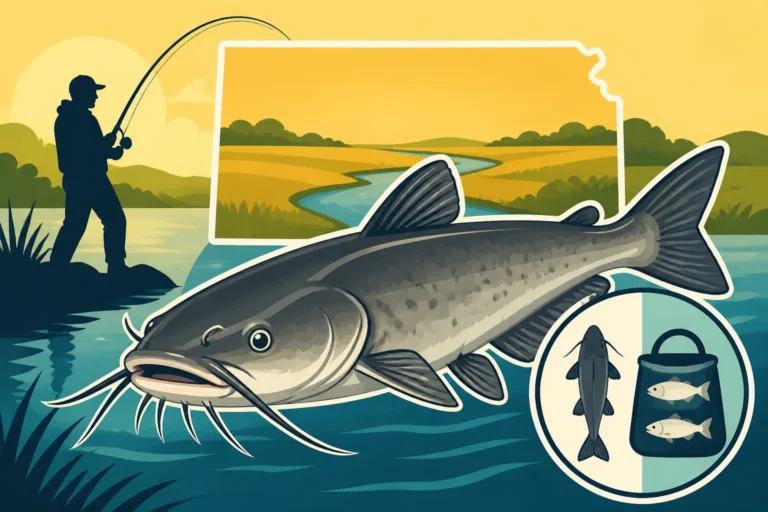
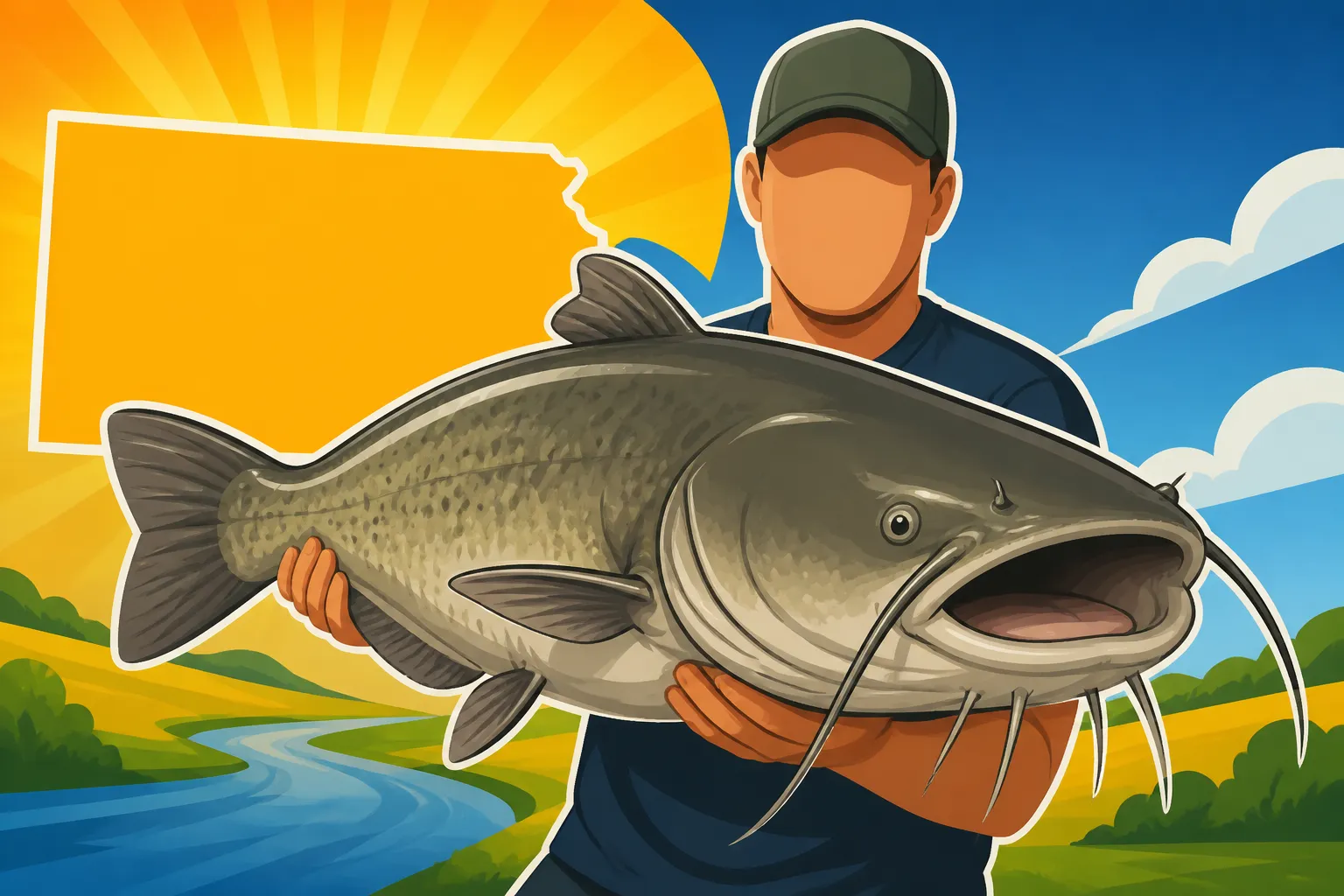
Flatheads are distinct among Kansas catfishes. They possess a broad, flattened head, a lower jaw that protrudes past the upper, and a mottled, olive-brown to yellow coloring that helps them blend perfectly with the rocky and woody structure they inhabit. But beyond their appearance, it's their behavior that truly sets them apart. These fish are ambush predators, often holding tight to submerged timber, rock piles, or deep scour holes, waiting for an unsuspecting meal to swim by.
The fight a big flathead puts up is legendary. They don't give up easily, often making powerful, stubborn runs and using their weight to their advantage. Hooking into a true trophy flathead often feels like trying to pull a submerged log out of the water, only that log fights back with incredible force. This raw power and the tactical challenge of finding and fooling them are precisely why the state record for a flathead catfish holds such a special place in the hearts of Kansas anglers. It's a testament to patience, skill, and the thrill of the chase.
The Current Kansas State Record Flathead Catfish
Kansas boasts an incredibly impressive state record flathead catfish, a true leviathan that stands as a testament to the potential of our waters. While the exact, current weight is always best confirmed directly with the Kansas Department of Wildlife and Parks (KDWP) through their official channels, it consistently represents a monumental catch, often pushing well past the double-digit mark and into truly incredible sizes. Imagine the sheer strength required to land a fish of that magnitude – it's a battle that demands the utmost from an angler and their gear.
Setting a state record isn't just about the numbers; it's about the legacy. The angler who holds that record has truly mastered their craft and understood the nuanced world of these impressive fish. It serves as an inspiration for all of us who cast a line, reminding us that with dedication and a bit of luck, one cast could change everything. For detailed information on this and other amazing catches, you'll want to check the official KDWP record listings, as these figures are meticulously maintained and updated. You can also explore Kansas State Record Fish Guide for other species.
Where to Find Trophy Flatheads in Kansas
To catch a record flathead, you first need to know where these giants call home. Flatheads thrive in environments that offer plenty of cover, deep water, and a robust supply of baitfish. Kansas is fortunate to have several water bodies renowned for producing enormous flatheads.
Top Kansas Reservoirs for Giant Flatheads
Kansas's large reservoirs are prime hunting grounds for trophy flathead catfish. Lakes like Milford, Tuttle Creek, and Melvern Lake consistently yield impressive flatheads year after year. These massive impoundments offer vast expanses of water with diverse structures that flatheads adore.
- Milford Lake: As the largest lake in Kansas, Milford offers countless acres of flathead habitat. Look for deep river channels, submerged timber, and rocky points, especially in the upper arms of the lake where riverine characteristics are more pronounced. The abundance of baitfish like shad makes it a prime feeding ground.
- Tuttle Creek Lake: Known for its often turbid waters and extensive timber, Tuttle Creek is a flathead haven. The channels, old creek beds, and countless submerged trees provide perfect ambush points for these predatory cats. Focusing on the areas where the Big Blue and Little Blue rivers feed into the lake can be particularly productive. For more specific insights, check out Tuttle Creek Lake Catfish Fishing.
- Melvern Lake: While perhaps not as vast as Milford or Tuttle Creek, Melvern Lake has a strong reputation for producing quality flatheads. Its deep holes, riprap along the dam, and submerged brush piles are all excellent spots to target. Remember, flatheads don't roam much; they find a good spot and stay there, waiting for food.
When fishing these reservoirs, focus your efforts on areas with sharp depth changes, large rock formations, or significant amounts of woody debris. These features provide the cover and current breaks that flatheads prefer for ambushing prey.
River Systems and Prime Flathead Habitat
While reservoirs get a lot of attention, Kansas's river systems are arguably even more iconic for trophy flathead catfish. Rivers like the Kansas River (also known as the Kaw), the Republican River, and the Marais des Cygnes offer dynamic environments that big flatheads thrive in.
- The Kansas River: The Kaw is legendary for its massive flatheads. Its constantly shifting sand and gravel bars, deep scour holes around bridge pilings, and extensive logjams create perfect homes for these river monsters. Anglers targeting the Kaw often look for the deepest holes adjacent to strong current breaks or massive brush piles. These areas concentrate baitfish and provide excellent cover for flatheads. Explore more about Kansas River Catfish Spots.
- Republican River: This river, particularly in its lower stretches before it merges to form the Kansas River, can be incredibly productive. Similar to the Kaw, look for deep outside bends, logjams, and any significant underwater structure.
- Marais des Cygnes River: Flowing through eastern Kansas, this river offers plenty of oxbows, deep pools, and snags where flatheads can grow to impressive sizes.
When fishing rivers, pay close attention to current. Flatheads often position themselves just out of the main current, in an eddy or behind a logjam, where they can ambush prey without expending too much energy. The banks often feature undercut areas where these fish hide during the day. Understanding the flow and finding those current seams is critical to success. For a broader overview of river fishing, see Kansas River Fishing Guide.
Techniques and Gear for Targeting Record Flatheads
Catching a flathead that challenges state record status is no small feat. It requires robust gear, the right bait, and a deep understanding of their behavior. This isn't a finesse game; it's about power and persistence.
Essential Gear for Monster Flatheads
When you're chasing a fish that could weigh as much as a small child, your gear needs to be up to the task. Skimping on tackle is a surefire way to end up with a broken heart and an empty hook.
- Rods and Reels: You'll need heavy-action rods, often in the 7 to 9-foot range, capable of handling significant weight and absorbing powerful runs. Pair these with robust baitcasting reels, preferably those designed for saltwater or heavy freshwater applications. Look for reels with a strong drag system and a high line capacity. Many anglers find great options on platforms like Amazon, offering a variety of brands suited for heavy catfish duty. For specific recommendations, check out Best Rod and Reel Combo for Catfish.
- Line: Braided line is almost a necessity for flathead fishing due to its incredible strength-to-diameter ratio and lack of stretch, which provides excellent sensitivity. Most trophy hunters use braid in the 50 to 100-pound test range. A heavy monofilament or fluorocarbon leader of 30 to 50 pounds can be used, especially in areas with abrasive structure. This combination helps you feel the slightest tap while having the backbone to pull a monster out of heavy cover. For a deep dive into line choices, consult Best Line Weight for Kansas Catfish.
- Terminal Tackle: Think big and strong. Use heavy-duty, corrosion-resistant hooks, typically in sizes 7/0 to 10/0, often circle hooks to ensure a solid hookset in the corner of the fish's mouth, which is healthier for catch and release. Sinkers will need to be heavy enough to hold your bait in place against current or wind, often 3 to 8 ounces, depending on conditions. Swivels, snaps, and other components should also be rated for heavy use.
Best Baits and Rigging Strategies
Flatheads are primarily piscivorous, meaning they eat other fish. While they will occasionally take cut bait, live bait is overwhelmingly the most effective presentation for big flatheads.
- Live Bait is King: Bluegill, sunfish, carp, and large suckers are all excellent choices. The key is to use baitfish that are legal to use in Kansas waters and are lively enough to attract attention. A good rule of thumb is to use baitfish that are 5 to 10 inches long; a state record flathead isn't going to bother with a tiny minnow. Keeping your bait alive and healthy is crucial, often requiring a good livewell or aerated bait bucket. For a more detailed look at bait, check out Best Bait for Kansas Catfish.
- Slip-Sinker Rig: This is perhaps the most popular and effective rig for flatheads. It involves a heavy slip-sinker above a swivel, with a strong leader (12-24 inches) tied to a large circle hook. The slip-sinker allows the fish to pick up the bait and move off without immediately feeling the weight of the sinker, giving you a better hookset.
- Trotlines and Jug Fishing: For serious flathead anglers, especially those targeting them in river systems, methods like trotlining and jug fishing can be highly effective. These methods involve setting multiple baited hooks along a main line or individual jugs. However, these techniques come with specific regulations regarding hook limits, line length, and identification. Always consult Kansas Fishing Regulations Explained before deploying these methods. For specific information, you can also look into Kansas Trotline Fishing License Rules or Kansas Jug Fishing License Rules.
Timing and Tactics for Success
Catching a state record flathead often comes down to understanding their behavior and timing your efforts.
- Night Fishing: Flatheads are predominantly nocturnal hunters. While they can be caught during the day, your chances of hooking into a truly large specimen skyrocket after dark. Their low-light vision gives them an advantage over prey, and they become much more active. Set up your gear before sunset, and be prepared for a long night of waiting. Headlamps are a must, and a powerful lantern can illuminate your setup. For more tips on fishing after dark, see Kansas Night Fishing Guide.
- Prime Seasons: Late spring through early fall are generally the best times to target flatheads in Kansas. As water temperatures rise, their metabolism increases, and they feed more aggressively. The peak of summer, especially during warm nights, can be incredibly productive.
- Understanding Flathead Behavior: Remember, flatheads are ambush predators. They typically don't chase bait over long distances. Your job is to put your live bait right in their living room. Fan cast around known structure, or use your boat's electronics to pinpoint submerged timber or deep holes where these fish might be lurking. Patience is paramount; a big flathead might take its time deciding to strike. For a deeper understanding of techniques, explore Kansas Catfish Fishing Techniques.
The Process of Certifying a State Record
So, you've battled a monster flathead and brought it to the boat – now what? The journey from a potential record-breaker to an official state record holder involves a precise process.
Catching and Handling Your Potential Record
Landing a potentially record-breaking flathead is an exhilarating moment, but the work isn't over. Proper handling immediately after the catch is crucial, especially if you intend to release the fish after weighing and documentation.
First and foremost, try to keep the fish alive if at all possible. This means having a large livewell, an enormous weigh bag, or even a bathtub on standby if you're close to home. A truly massive flathead will require a significant amount of water to stay healthy. Handle the fish with extreme care, supporting its belly to avoid internal organ damage. Avoid dragging it on rough surfaces or leaving it out of water for extended periods.
The most critical step is getting the fish weighed on a certified scale. This isn't just any old bathroom scale; it needs to be a scale certified for trade, often found at butcher shops, grocery stores, or feed stores. Contact your local KDWP office immediately after the catch, or as soon as you suspect you have a record, to get guidance on certified scales in your area and the next steps. They can often direct you to the nearest approved location.
Official Documentation and Reporting
Once you've got your potential record flathead safely contained and located a certified scale, the documentation process begins. This typically involves:
- Contacting KDWP: Call your regional KDWP office or the main office in Pratt as soon as possible. They will guide you through the specific requirements and help coordinate the weighing.
- Certified Weigh-In: The fish must be weighed on a certified scale in the presence of an official KDWP representative or a designated witness. Ensure the scale is zeroed out properly. The weight must be recorded accurately to the nearest ounce.
- Measurements: The length and girth of the fish will also need to be measured accurately.
- Photographs: Clear, well-lit photographs of the fish are essential. These should include shots of the fish being weighed, next to a measuring device, and potentially with the angler. These photos serve as crucial evidence.
- Witnesses: Typically, at least two credible witnesses (who are not immediate family members) must be present during the weigh-in and attest to the catch.
- Application Form: You'll need to fill out an official state record application form, providing all the details of your catch, including the date, time, location, bait used, and contact information.
- Species Verification: A KDWP biologist or fisheries expert will need to visually identify and verify the species of fish. This is important to distinguish flatheads from other catfish species. For details on different species, see Kansas Catfish Species Guide and Kansas Flathead Catfish Facts and Limits.
Understanding the rules and following them to the letter is paramount. Any deviation could jeopardize your claim. While thrilling, the process is rigorous to ensure the integrity of the state record books. Remember, understanding Kansas Fishing Law Enforcement and Penalties is good practice for all anglers.
The Thrill and the Responsibility
Landing a state record flathead catfish is an incredible achievement, a true highlight in any angler's life. The thrill of the catch, the battle, and the recognition are unforgettable. It places you among a select few who have truly mastered the art of targeting these magnificent creatures.
However, with such a feat comes responsibility. Many record holders, especially with fish as long-lived and impressive as flatheads, choose to release their catch after proper documentation. This catch-and-release philosophy helps ensure that these valuable genetics continue to contribute to the fishery, allowing future generations of anglers to also have a shot at a fish of a lifetime. The KDWP strongly supports the ethical treatment and conservation of our fish populations. This incredible fish, having brought you so much joy and recognition, deserves to go back and continue its life in the waters of Kansas.
| Catfish Species | Typical Habitat | Average Adult Size | State Record Potential | Primary Diet |
|---|---|---|---|---|
| Flathead | Rivers, large reservoirs; deep, woody cover, current breaks | 15-40 lbs (up to 100+ lbs) | High | Live fish, crayfish |
| Channel | Diverse; rivers, lakes, ponds; warmer, shallower water | 2-15 lbs (up to 40+ lbs) | Moderate | Omnivorous: insects, fish, crustaceans, vegetation |
| Blue | Large rivers, lower sections of reservoirs; deep channels | 20-60 lbs (up to 100+ lbs) | High | Fish, mussels, crayfish |
This table offers a quick comparison, but remember that individual fish vary greatly, and any of these species can surprise you with their size! Don't forget to secure your Kansas Fishing License Guide before heading out!
Disclaimer
This article is for general informational purposes only and does not constitute professional advice. Laws, prices and regulations vary by location and change over time. Consult a qualified professional for guidance on your specific situation.