Kansas Fishing Gear Guide
For many folks, the idea of fishing in Kansas sounds idyllic: tranquil lakes, winding rivers, and the promise of a big catch. But then you start thinking about the actual gear you need, and suddenly that peaceful image turns into a chaotic mental list of rods, reels, lines, lures, and a hundred other things. It's completely overwhelming trying to figure out what’s truly essential for Kansas waters, and what's just another gadget. This comprehensive guide is here to cut through the confusion, helping you assemble a practical, effective fishing kit tailored specifically for the diverse angling opportunities right here in the Sunflower State.
Understanding Your Kansas Fishing Environment
Before you even think about which rod to buy, it’s crucial to understand the unique characteristics of Kansas fishing. We're not talking about ocean fishing or fast-flowing mountain streams here. Our lakes are often reservoirs, sometimes vast and windy, sometimes smaller and more protected. Our rivers can range from slow, muddy giants like the Kansas River to clearer, faster-moving stretches. This variety means your gear needs to be versatile, or at least strategically chosen for the type of fishing you plan to do most often.
The Lay of the Land: Reservoirs, Rivers, and Ponds
Kansas offers a truly diverse angling landscape, which is both a blessing and a challenge when it comes to gear selection. Large reservoirs such as Milford Lake, Cheney Reservoir, and Wilson Lake are immense, often featuring deep water, significant structure, and can get incredibly windy. Fishing these requires different tactics and, consequently, different gear than quietly drifting a bobber in a small farm pond or casting into a community fishing lake.
Consider the prevailing conditions: on a big reservoir, you might be battling strong winds and waves, making a stable boat and appropriate anchoring systems crucial. The depths here often call for electronics like a fish finder to locate structure and schools of fish. Conversely, a quiet farm pond might only require a simple spinning rod, a handful of hooks, and a bucket of worms. Rivers, like the Kansas River, present their own set of challenges with current, snags, and specific species like massive blue catfish, demanding robust gear capable of handling powerful fights and heavy weights. Understanding where you'll spend most of your time will significantly narrow down your choices.
Key Species and Their Gear Demands
Kansas is home to an incredible array of fish, and what you’re targeting largely dictates your gear choices. Walleye, for instance, are often found in deeper, cooler waters of our major reservoirs and respond well to trolling with crankbaits or jigging spoons. This means a sensitive rod to detect subtle bites, appropriate line for trolling, and specific lures. Kansas Walleye Fishing Techniques delves deeper into these methods.
Catfish – channel, blue, and flathead – are a huge draw in Kansas. These powerful fish require heavy-duty rods, strong reels with plenty of line capacity, and stout hooks, especially if you're chasing trophy-sized blues in the Kansas River. You wouldn't want to bring a flimsy crappie rod to a flathead fight! Crappie and other panfish, on the other hand, are often found in brush piles or around docks, necessitating light, sensitive rods and tiny jigs or minnows. Kansas Crappie Fishing Techniques is a great resource for targeting these. Each species has its nuances, and understanding them will guide your gear purchases.
Rods and Reels for Every Kansas Catch
Choosing the right rod and reel can feel like navigating a maze, but it doesn't have to be. For Kansas anglers, versatility is often key, but so is having the right tool for the job. You'll want to think about the fish you're after and the techniques you'll be using.
The All-Around Workhorse: Spinning Combos
If you’re just starting out or only want to invest in one setup, a medium-action spinning rod and reel combo is your best bet for general Kansas fishing. It's incredibly versatile, capable of handling everything from panfish on lighter lines to respectable bass and even smaller catfish. A 6'6" to 7' medium-light or medium-power rod paired with a 2500-3000 series spinning reel is a fantastic starting point. This combo allows for comfortable casting of lighter lures and bait, while still having enough backbone to fight most common Kansas species.
For example, if you're spending a Saturday at a local community lake, this setup lets you cast a bobber and worm for bluegill, switch to a small spinner for a feisty white bass, or even toss a jig for crappie under a dock. It’s forgiving for beginners and effective for experienced anglers alike. When you're browsing at stores like Bass Pro Shops or looking online on Amazon, you'll find countless options in this category, often sold as ready-to-go combos which can save you some money.
Specialized Setups for Target Species
As you dive deeper into Kansas fishing, you'll quickly discover the need for more specialized gear. Chasing specific species often demands a rod and reel designed for particular techniques and the power of the fish.
Catfish Specific Gear
When it comes to Kansas catfish, especially those monster blue cats in our larger rivers and reservoirs, you need serious horsepower. A heavy-action casting or spinning rod, typically 7 to 9 feet long, paired with a robust baitcasting reel or a large spinning reel (4000 series or bigger) is ideal. Look for rods with a strong backbone that can handle heavy sinkers and powerful runs. Best Rod and Reel Combo for Catfish will give you more specific recommendations. You'll spool these reels with heavy monofilament or braided line, often in the 20-50 lb test range, to withstand abrasion and the incredible pulling power of a big flathead or blue. This setup allows you to throw heavy cut bait rigs or live bait into strong currents or deep holes and confidently battle a fish that could easily weigh over 40 pounds.
Walleye and Hybrid Striper Gear
Walleye are often more subtle biters and require a rod with a sensitive tip but good backbone. A medium-light to medium-action spinning rod, 6'6" to 7' long, paired with a 2500-3000 series reel is excellent for jigging, casting crankbaits, or slip-bobber fishing. For trolling on vast reservoirs like Milford or Cheney, many anglers opt for a medium-heavy baitcasting rod, often 7-8 feet, which handles the strain of pulling larger crankbaits and provides better control. Line choice is critical here; many walleye anglers prefer braided line with a fluorocarbon leader for sensitivity. Best Lures for Kansas Walleye explores more on bait and lure choices. Hybrid stripers and white bass, known for their aggressive strikes and powerful fights, often benefit from a slightly heavier setup than standard walleye gear, leaning towards a medium-heavy spinning or baitcasting rod that can handle the sheer force of these hard-fighting fish.
Crappie and Panfish Setups
For crappie, bluegill, and other panfish, a light or ultra-light action spinning rod, typically 5' to 6'6" in length, is the way to go. Paired with a small 1000-2000 series spinning reel, this setup maximizes sensitivity and the sporting experience. These rods allow you to feel the most delicate bites and cast tiny jigs or small minnows with precision around brush piles, dock pilings, or submerged timber. Many crappie anglers also use long, specialized "spider-rigging" rods when slow-trolling multiple lines, often 10-14 feet in length, to spread out baits and cover more water. This specialized approach, while effective, isn't necessary for a beginner but demonstrates the range of options available for serious panfish enthusiasts.
Essential Terminal Tackle and Baits
Once you have your rod and reel, the next layer of complexity (and fun!) is selecting your terminal tackle and baits. This is where the rubber meets the road, connecting you directly to the fish. Skimping here can lead to lost fish and frustration.
Hooks, Sinkers, and Swivels: The Foundation
Every angler needs a good selection of hooks, sinkers, and swivels. These are the unsung heroes of your tackle box.
Hook Selection for Kansas Fish
For general bait fishing, a variety of J-hooks (like Aberdeen or Kahle hooks) in sizes from #6 for panfish up to 4/0 for catfish will serve you well. However, for catfish in particular, many Kansas anglers swear by circle hooks. Circle hooks are designed to hook fish in the corner of the mouth, which is much better for the fish if you plan to release it, and often results in a more secure hookset. They significantly reduce gut-hooking, making them a responsible choice. Best Circle Hooks for Catfish discusses this in detail. For crappie, tiny jig heads in sizes 1/32 oz to 1/8 oz with small, sharp hooks are indispensable. The key is to match the hook size to your bait and the size of the fish's mouth.
Choosing the Right Sinkers
Sinkers vary widely, and you’ll need a few types. Slip sinkers (often called "egg sinkers" or "bullet weights") are fantastic for bottom fishing with bait, allowing the line to run freely through them so the fish doesn't feel resistance. Sizes from 1/2 oz to 2 oz are common for catfish. Split shots are perfect for adding small amounts of weight to a bobber rig or for finesse presentations. Bottom-walking sinkers (like slinky weights) are excellent for river fishing as they roll over snags more easily. And don't forget bank sinkers, which are great for holding bait in current. Having a range of weights, from tiny split shots to several-ounce pyramid or flat-bottomed sinkers for heavy current, will prepare you for diverse conditions across Kansas.
Swivels for Line Management
Swivels are small but mighty. Barrel swivels help prevent line twist, especially when using spinning lures or when your bait is prone to spinning. Ball bearing swivels offer even smoother rotation and are excellent for trolling or heavy-duty applications. Snap swivels add the convenience of quickly changing lures or leaders without retying. Use them strategically; while helpful, too many swivels can be a weak point in your line. For most Kansas fishing, a good selection of barrel swivels in sizes #7 to #10 will be sufficient.
Lures and Baits: Attracting the Bite
This is arguably the most exciting part of gear selection for many anglers – the colorful, shiny, and often smelly world of lures and baits!
Artificial Lures for Walleye, Bass, and White Bass
For walleye, crankbaits (both diving and shallow-running) are perennial favorites, especially when trolling. Colors mimicking shad or perch are often very effective. Jigs, tipped with soft plastics or live bait, are also highly productive. For bass, a tackle box isn't complete without spinnerbaits, crankbaits, jigs with various trailers, and a selection of soft plastics (worms, creature baits). White bass and hybrid stripers are aggressive and often respond well to spoons, inline spinners, and small crankbaits, especially during their famous spring runs. Kansas White Bass Run Timing is when these lures really shine. Consider the depth and clarity of the water you're fishing; darker lures for murky water, natural colors for clear.
Live and Cut Baits for Catfish and Panfish
When it comes to catfish, nothing beats natural bait. Stink baits, chicken livers, shad, and even hot dogs are go-to choices for channel catfish. For bigger blue cats and flatheads, fresh cut bait (like shad, carp, or drum) or live bait (like small sunfish or carp) are often irresistible. Always check regulations regarding the use of live bait, as rules can vary. For crappie and panfish, live minnows are hard to beat, fished under a bobber or on a small jig. Waxworms, mealworms, and crickets are also excellent choices for bluegill and other sunfish. Best Bait for Kansas Catfish explores popular options in depth.
| Species Targeted | Recommended Hook Types | Common Baits/Lures | Key Sinker Types |
|---|---|---|---|
| Catfish (Channel, Blue, Flathead) | Circle Hooks (1/0 to 8/0) | Cut bait, live bait, stink bait, chicken liver | Slip sinkers, Bank sinkers (1/2 oz – 4+ oz) |
| Walleye | J-hooks (sizes #4-#1) for bait, Jig heads (1/8 oz – 1/2 oz) | Crankbaits, Jigs (with soft plastic/live bait), Nightcrawlers | Bullet weights, Split shot |
| Crappie | Small J-hooks (#8-#4), Tiny jig heads (1/64 oz – 1/8 oz) | Live minnows, Small soft plastics, Hair jigs | Split shot |
| Bass (Largemouth, Smallmouth) | Worm hooks (EWG, offset), Jig hooks | Spinnerbaits, Crankbaits, Jigs, Soft plastics | Bullet weights, Drop shot weights |
| White Bass / Hybrid Striper | Treble hooks on lures, J-hooks for bait | Spoons, Inline spinners, Small crankbaits | Light split shot |
| Panfish (Bluegill, Sunfish) | Small J-hooks (#10-#6) | Worms, Crickets, Waxworms, Small poppers | Small split shot |
Boating and Watercraft Essentials for Kansas Anglers
Many of Kansas's best fishing opportunities are best accessed from the water. Whether you prefer the quiet glide of a kayak or the power of a bass boat, having the right watercraft and safety gear is paramount.
Kayaks and Smaller Watercraft
Kayaks have exploded in popularity for Kansas anglers, offering a quiet, low-cost way to access remote coves and shallow waters often unreachable by larger boats. They're fantastic for chasing crappie in flooded timber, sneaking up on bass in lily pads, or even trolling for walleye on smaller reservoirs. Look for fishing-specific kayaks that offer stability, storage for tackle, and comfortable seating for long hours on the water. Paddle kayaks are common, but pedal-drive kayaks are a game-changer, allowing you to "hands-free" fish while maintaining position.
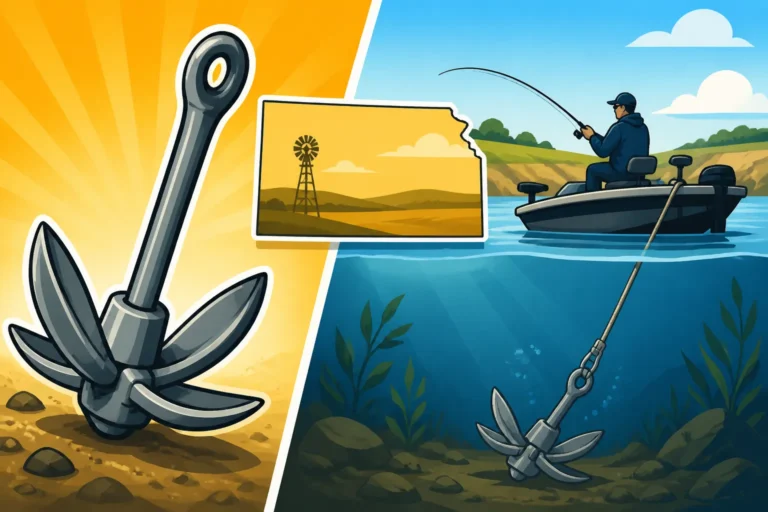
Even with a kayak, safety is key. A properly fitted personal flotation device (PFD) is non-negotiable, and a whistle or horn is often required. A small anchor system, like a drag chain or grapnel anchor, is incredibly useful for holding your position in the wind or current. Always check local regulations for required safety equipment and Kansas Kayak Fishing Gear Guide for more specific setup advice. A dry bag for your phone and essentials, and a reliable paddle leash, will also make your day on the water much more enjoyable.
Larger Boats: Bass Boats, Pontoons, and Jon Boats
For serious reservoir fishing, a larger boat provides space, speed, and comfort. Bass boats are designed for speed and casting platforms, ideal for tournament anglers or those covering vast areas for bass and walleye. Pontoon boats offer incredible stability and space, perfect for family fishing trips or group outings, allowing multiple lines in the water. Jon boats are robust, simple, and versatile, often favored for river fishing or smaller lakes due to their shallow draft and durability.
Regardless of the type, certain safety items are universal. Beyond a PFD for every person on board, you'll need a throwable flotation device, a sound-producing device (like a horn), navigation lights (if operating after sunset), and a fire extinguisher. Kansas Boat Registration Guide outlines all the requirements for registering your vessel and ensures you're compliant with state law. Always check your boat and trailer before heading out, especially tire pressure and trailer lights, to avoid roadside headaches. A good set of fenders and dock lines will also protect your investment when tying up at marinas or launching ramps.
Electronics and Navigation for Informed Angling
In today's fishing world, electronics can be the difference between a frustrating day and a successful one. While not strictly necessary for every outing, they dramatically increase your efficiency and understanding of the underwater world.
Fish Finders: Seeing What's Below
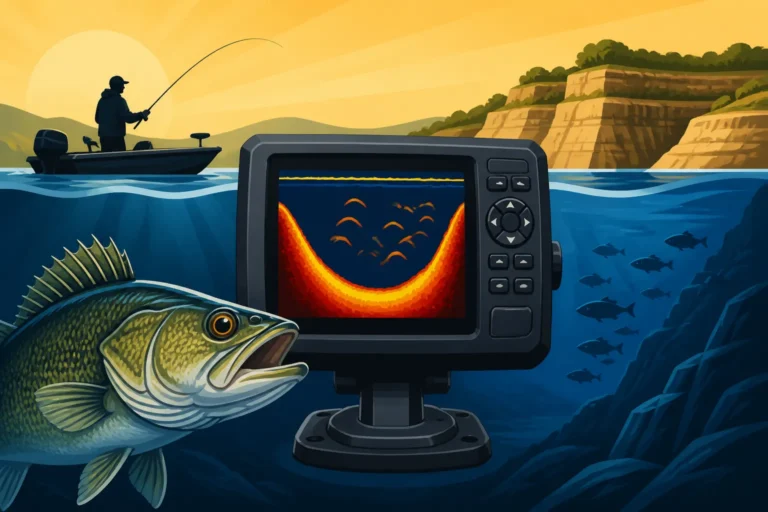
A fish finder, or sonar unit, is like having X-ray vision into the water. It displays the bottom contour, identifies structure (like brush piles, rock formations, or submerged humps), and most importantly, shows you schools of fish. For Kansas reservoirs, which often have vast, featureless stretches interspersed with prime structure, a good fish finder is invaluable for locating productive spots. Modern units offer a variety of sonar types:
- 2D Sonar: The traditional view, showing fish arches and bottom structure.
- Down Imaging: Provides a picture-like view directly below the boat, great for identifying specific objects.
- Side Imaging: Scans wide areas to either side of your boat, revealing structure and fish far from your direct path – incredibly useful for covering large flats or finding hidden creek channels.
Units range from basic, monochrome screens to high-definition, multi-function displays with GPS mapping. Brands like Humminbird, Lowrance, and Garmin offer excellent options across all price points. Consider screen size and resolution, as seeing detail clearly, especially in bright sunlight, makes a big difference. Best Fish Finder for Kansas Reservoirs offers a deep dive into choosing the right one for our waters. Knowing the depth of the thermocline (temperature layers) from your fish finder can also be key to finding actively feeding fish in warmer months.
GPS and Mapping: Finding Your Way and Marking Spots
Integrated GPS on your fish finder, or a separate handheld GPS unit, is crucial for navigation on large Kansas lakes. It allows you to:
- Navigate Safely: Plot courses, avoid hazards, and find your way back to the ramp, especially in fog or at night.
- Mark Waypoints: Save the exact location of productive brush piles, rock reefs, humps, or even where you caught a big fish. This data is invaluable for returning to hot spots later.
- Understand Structure: High-definition mapping cards provide detailed contour lines and underwater features that help you interpret the bottom and find potential fish-holding areas even before you drop a line.
Many units come pre-loaded with base maps, and you can often purchase more detailed mapping cards for specific Kansas lakes. Learning to use your GPS effectively, saving waypoints, and understanding contour lines will elevate your fishing game significantly. Imagine finding a submerged road bed on your map, then using your side imaging to confirm fish holding on it – that’s informed angling!
Apparel and Personal Comfort on the Water
Fishing in Kansas means dealing with all four seasons, sometimes all in one day! Being properly dressed and comfortable can make or break your trip, allowing you to focus on fishing instead of battling the elements.
All-Weather Gear for Kansas's Mood Swings
Kansas weather is notoriously unpredictable. A beautiful morning can quickly turn into a windy, rainy afternoon, or a calm evening can become surprisingly chilly. Layering is your best friend.
- Rain Gear: A good quality, waterproof and breathable rain jacket and pants are essential. There's nothing worse than being soaked and cold, and a cheap poncho won't cut it on a windy Kansas lake. Look for features like sealed seams, adjustable cuffs, and a hood that stays put.
- Insulating Layers: In cooler months, fleece jackets, thermal underwear, and warm hats are critical. Even in spring or fall, mornings can be frosty. Having layers you can add or shed as the day warms up or cools down is key.
- Wind Protection: A windbreaker or a jacket with wind-resistant properties can make a huge difference, especially on open reservoirs. Wind chill can make a 50-degree day feel much colder.
Always check the forecast, but pack for a wider range of conditions than predicted. It's better to have it and not need it than to need it and not have it!
Sun Protection: Staying Safe Under the Kansas Sun
The Kansas sun can be relentless, especially during spring and summer. Protecting yourself from harmful UV rays isn't just about comfort; it's about long-term health.
- Sunscreen: High SPF sunscreen is a non-negotiable. Apply liberally and reapply throughout the day, especially after sweating or getting wet. Don't forget often-missed spots like the tops of your ears, neck, and the backs of your hands.
- Headwear: A wide-brimmed hat or a baseball cap with a neck gaiter provides excellent protection for your face, ears, and neck. Many gaiters are made from moisture-wicking, breathable fabric that also keeps you cool.
- Sunglasses: Polarized sunglasses are not just for style; they significantly reduce glare off the water, allowing you to see deeper into the water, spot structure, and even see cruising fish. They also protect your eyes from UV damage and stray hooks.
- Long-Sleeve Shirts: Lightweight, long-sleeve fishing shirts made from UPF-rated fabric offer incredible protection from the sun without making you overheat. Many popular fishing apparel brands specialize in these types of garments, available at retailers like Bass Pro Shops or online at Amazon.
Remember, a sunburn on day one of a weekend trip can severely dampen the enjoyment of the rest of your outing. Prioritize sun protection.
Storage and Organization: Keeping Your Gear in Check
A cluttered boat or a disorganized tackle box leads to frustration, wasted time, and potentially lost fish when you can't find what you need. Good storage and organization are vital for efficient and enjoyable fishing.
Tackle Boxes and Bags: Your Mobile Command Center
Your tackle box or bag is your mobile command center, holding all your lures, hooks, weights, and tools. The key is to organize it logically so you can quickly find what you need.
- Hard vs. Soft Tackle Systems: Hard tackle boxes offer durability and often have built-in compartments, but can be bulky. Soft tackle bags, which typically hold multiple plastic utility boxes (like Plano 3600 or 3700 series), are incredibly versatile. They allow you to swap out boxes based on the species you're targeting or the type of water you're fishing. For example, you might have one box specifically for walleye crankbaits, another for catfish rigs, and a smaller one for panfish jigs.
- Dedicated Lure Storage: Soft plastics are best stored in their original bags or in dedicated plastic binders to prevent them from melting or reacting with other plastics. Hard baits like crankbaits and jerkbaits benefit from individual compartments to prevent hooks from tangling.
- Tools and Accessories: Keep essential tools like pliers (for hook removal), line cutters, a small first-aid kit, and a measuring tape easily accessible. Many tackle bags have external pockets for these items.
A well-organized system means less time rummaging and more time fishing. It also helps you keep track of what you have and what you need to restock.
Rod Storage and Bait Management
Beyond your tackle, consider how you store your rods and manage your bait.
- Rod Holders and Storage: On a boat, rod holders are essential for trolling, transporting rods safely, and keeping them out of the way when not in use. Many boats come with built-in rod lockers. For kayaks, flush-mount or rail-mount rod holders increase your capacity and convenience. Even for bank fishing, a simple spike rod holder can make a huge difference in keeping your rod secure and off the ground.
- Live Bait Containers: If you're using live bait like minnows or shad, a well-aerated bait bucket or livewell is crucial to keep them healthy. A portable aerator can be added to almost any bucket. For worms or crickets, breathable bait containers keep them fresh. Nothing spoils a bait fishing trip faster than dead bait!
- Coolers: A good cooler isn't just for drinks. It's essential for keeping your catch fresh, especially on warm Kansas days. Consider size based on your typical catch and trip length. Some anglers use a dedicated cooler just for fish to keep their "food and drink" cooler pristine. Best Coolers for Kansas Fishing Trips offers advice on selecting the right one.
Specialty Gear for Unique Kansas Fishing Adventures
While the core gear covers most scenarios, Kansas offers a few unique fishing opportunities that call for specialized equipment. Don't let these scare you off; they simply open up new possibilities!
Ice Fishing Gear for Winter Fun
When the temperatures drop and Kansas lakes freeze over, a whole new world of fishing opens up: ice fishing. This requires a distinct set of tools for safety and success.
- Ice Auger: You'll need a way to cut holes through inches, or even feet, of ice. Manual augers are great for portability and cost-effectiveness, while power augers (gas or electric) make quick work of thick ice.
- Ice Rods and Reels: Ice fishing rods are short, typically 24-36 inches, and designed for fishing in a small hole. They come in various actions suitable for panfish, walleye, or even bigger catfish through the ice. Small spinning reels are common.
- Ice Shelter: An ice shelter, or shanty, provides protection from the wind and cold, making your time on the ice much more comfortable. Pop-up shelters are popular for their portability and ease of setup.
- Safety Gear: Ice picks (worn around your neck), a spud bar (to test ice thickness), and good traction footwear (ice cleats) are vital safety items. Never venture onto unfamiliar ice without proper precautions. Kansas Ice Fishing Guide offers crucial information for safe and successful winter angling.
Trotlines and Jugs for Catfish Enthusiasts
For those truly dedicated to targeting Kansas catfish, trotlines and jug lines are traditional and highly effective methods. These passive fishing techniques require specific setups.
- Trotlines: A trotline is a long line (often heavy braided nylon) stretched across a river or lake, with multiple baited hooks attached at intervals. Regulations dictate how many hooks, line length, and where they can be set. Heavy-duty mainlines, snoods (short lines to the hook), and large circle hooks are necessary. You’ll also need strong anchors and floats to mark your line. Kansas Trotline Fishing License Rules is a must-read before deploying one.
- Jug Lines: Jug lines are individual floating devices (often plastic jugs or foam noodles) with a weighted line and hook attached. They drift freely or can be anchored, allowing you to cover more water. Again, sturdy line, weights, and large circle hooks are typical. Both trotlines and jug lines require regular checking and are most effective when baited with fresh cut bait or live bait. These methods are excellent for targeting larger catfish, particularly blue and flathead catfish.
Maintaining Your Kansas Fishing Gear
Investing in good fishing gear is just the first step. Proper maintenance ensures your equipment lasts longer, performs better, and is ready for action whenever you are.
Rod and Reel Care
After every trip, especially when fishing in muddy or silty water, or in the rain, take a few minutes to care for your rods and reels.
- Rinsing: Lightly rinse your reels and the guides of your rods with fresh water to remove any dirt, mud, or lake residue. Avoid high-pressure sprays that can force water into the reel's internal mechanisms.
- Drying: Allow everything to air dry thoroughly before storing. Moisture is the enemy of reels, leading to corrosion and rust.
- Lubrication: Periodically, reels benefit from light lubrication. A tiny drop of reel oil on moving parts and a thin layer of reel grease on gears can keep them operating smoothly. Consult your reel's manufacturer for specific lubrication points and recommended products. Over-lubricating can attract dirt, so a little goes a long way.
- Line Check: Inspect your fishing line for nicks, abrasions, or twists. Replace worn line promptly, as it's the weakest link in your setup. Consider replacing your main line once a year or more frequently if you fish often.
Proper care not only extends the life of your expensive rods and reels but also ensures they perform optimally when that trophy fish bites.
Boat and Trailer Maintenance
Your boat and trailer also demand regular attention, especially if you're frequently on the road or in the water.
- Boat Cleaning: Wash your boat after each use to remove algae, mud, and other debris. Pay special attention to the hull, which can accumulate grime that affects performance.
- Engine Flush: If you have an outboard motor, flush it with fresh water after each use, especially if you've been in silty or sandy areas. This prevents sediment buildup in the cooling system.
- Trailer Inspection: Regularly check your trailer tires for proper inflation and wear. Inspect wheel bearings, lights, and wiring. Blown trailer lights or a seized wheel bearing can quickly ruin a fishing trip. Greasing your wheel bearings is a common maintenance task that prevents costly repairs down the line.
- Winterization: If you're putting your boat away for the colder months, proper winterization is essential to protect the engine and other systems from freezing damage. This typically involves stabilizing the fuel, draining water from the engine, and protecting internal components.
A well-maintained boat and trailer are safer, more reliable, and hold their value better over time. Boat Registration Rules for Kansas Anglers provides more context on general boating responsibilities.
Tackle and Lure Upkeep
Don't forget your tackle!
- Rust Prevention: Keep tackle boxes dry. Consider adding moisture-absorbing packets (desiccants) to prevent rust on hooks and lures. If a lure or hook does rust, replace it. Rust weakens hooks and can deter fish.
- Hook Sharpening: Dull hooks miss fish. Carry a small hook sharpener and give your hooks a quick touch-up periodically. A sharp hook is one of the most critical factors for successful hooksets.
- Soft Plastic Care: Store soft plastics away from direct sunlight and extreme heat, which can cause them to melt or deform. Keep different brands and colors separate, as some plastics can react with each other and melt into a gooey mess.
Taking care of your gear means you're always prepared for that next cast, confident that your equipment will perform when it counts.
Disclaimer
This article is for general informational purposes only and does not constitute professional advice. Laws, prices and regulations vary by location and change over time. Consult a qualified professional for guidance on your specific situation.