Fish Species in Milford Lake
When you're planning a fishing trip to Milford Lake, often lauded as the "Fishing Capital of Kansas," it's completely natural to wonder what finned treasures you might encounter. This massive body of water, with its diverse habitats and expansive reach, holds a wide variety of fish that appeal to every type of angler. This comprehensive guide will take a deep dive into the specific species you're likely to find thriving in Milford Lake, helping you to understand their habits, preferred environments, and, most importantly, how to successfully target them during your next adventure.
Understanding Milford Lake's Unique Fishery
Milford Lake isn't just a big pond; it's a dynamic ecosystem, Milford Lake Is the Largest Lake in Kansas, offering a fascinating blend of deep open water, rocky points, submerged timber, and extensive creek arms. Its impressive size and varied structure create a perfect home for a multitude of fish species, making it a premier destination for anglers across the Midwest. The lake's connection to the Republican River also plays a significant role in its fishery, especially during spawning runs for certain species.
Understanding the contours of Milford Lake, knowing How Deep Is Milford Lake?, and appreciating its vastness is the first step in successful angling here. It's a lake that demands respect and a bit of homework, but the rewards can be truly outstanding. Whether you're a seasoned pro or just starting out, the diversity of fish here means there's always something new to learn and a different challenge to tackle.
The Ecological Factors Supporting Milford Lake's Fish Diversity
Milford Lake's environment is exceptionally rich, which directly contributes to the robust fish populations it sustains. The lake's nutrient-rich waters support a strong food chain, from microscopic organisms to baitfish, which in turn feed the larger game fish. The varied underwater topography provides ample hiding spots for prey and ambush points for predators. From the shallow, brushy coves to the deep, rocky main lake points, each area offers a distinct habitat.
Seasonal changes also play a huge role. Spring brings warming waters and spawning migrations into shallower areas, while summer sees fish moving to deeper, cooler oxygenated zones or becoming more active at night. Fall triggers a feeding frenzy as fish prepare for winter, and even winter, for those brave enough to ice fish, can be productive. This constant flux means that different species become more accessible at different times, rewarding anglers who adapt their approach.
Key Forage Fish and Their Importance
You can't talk about game fish without talking about their food source. Milford Lake has a healthy population of various forage fish, which are absolutely critical for sustaining the predator species. Shad, particularly gizzard shad and threadfin shad, are the backbone of the diet for many of Milford's most sought-after game fish, including walleye, white bass, and wipers. These baitfish schools migrate throughout the lake, and finding them is often the key to finding the larger fish that prey on them.
Beyond shad, smaller panfish like bluegill and young crappie also serve as an important food source for larger bass and catfish. Even insect larvae and crayfish contribute to the diverse diet of the lake's inhabitants. Anglers who pay attention to where and how these forage species are congregating often have a significant advantage in locating the game fish they're after. A good fish finder, readily available on platforms like Amazon, can be incredibly helpful in identifying these bait schools.
Milford Lake's Prized Game Fish: Your Main Targets
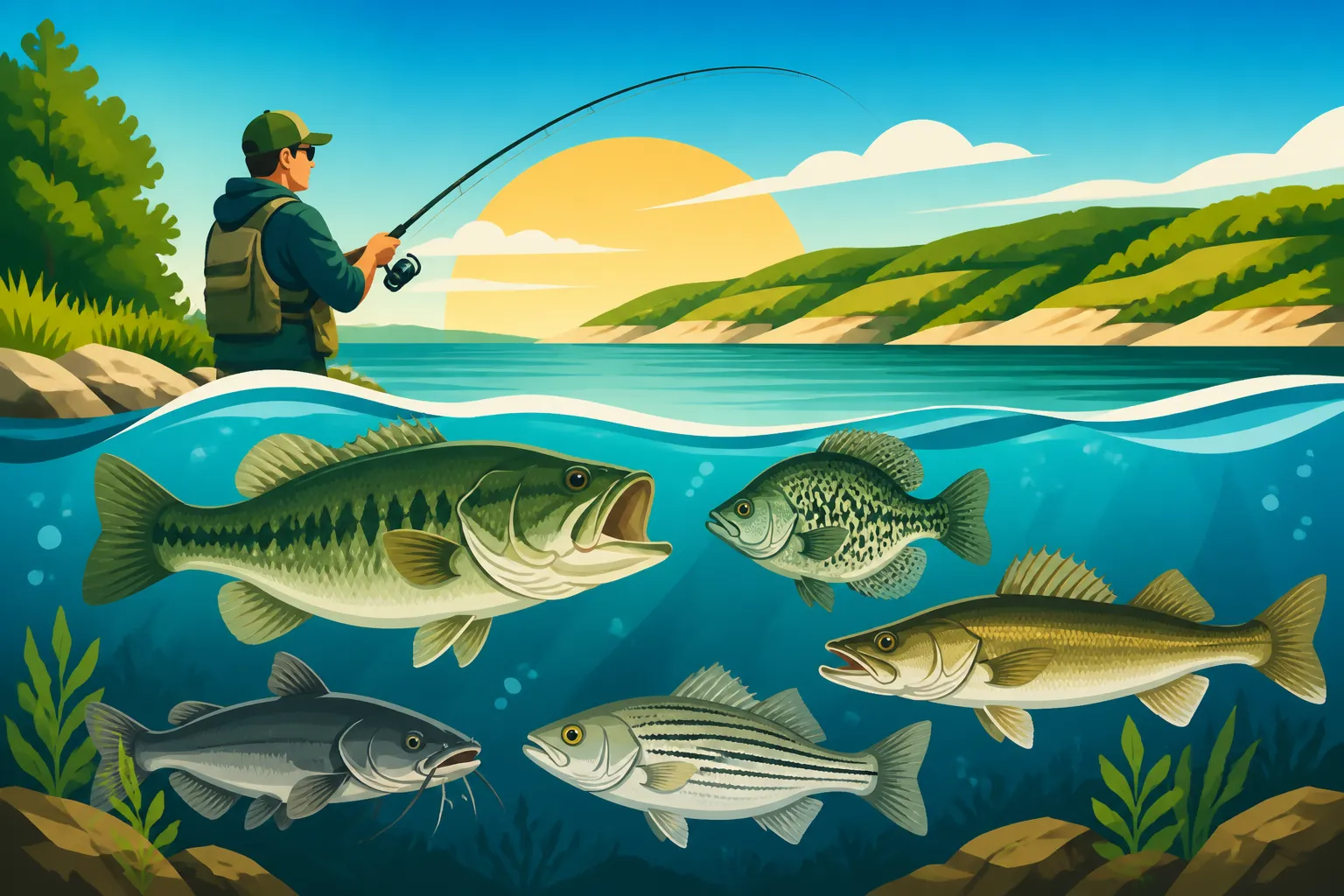
When you head to Milford Lake with a rod and reel, chances are you're dreaming of tangling with one of its legendary game fish. This lake truly shines with several species that offer fantastic angling opportunities, from light-tackle thrills to heavy-hitting battles. Each species has its own charm, its own preferred habitat, and its own set of techniques that make fishing for them a unique experience.
Walleye: The Trophy Seekers' Dream
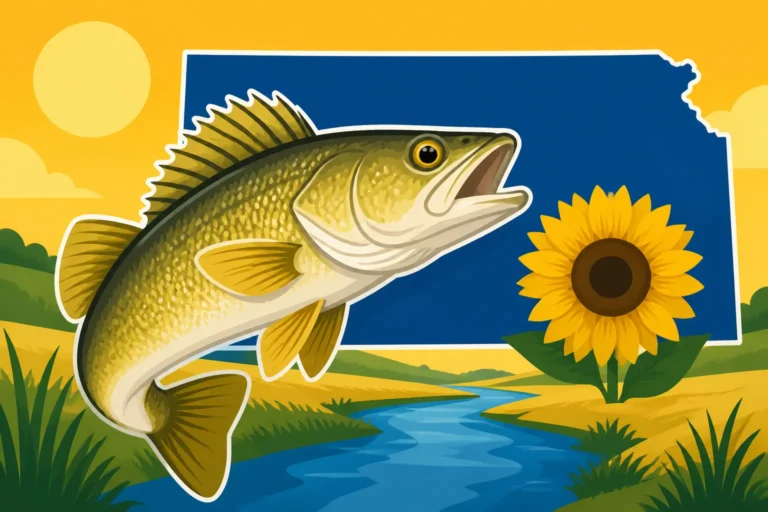
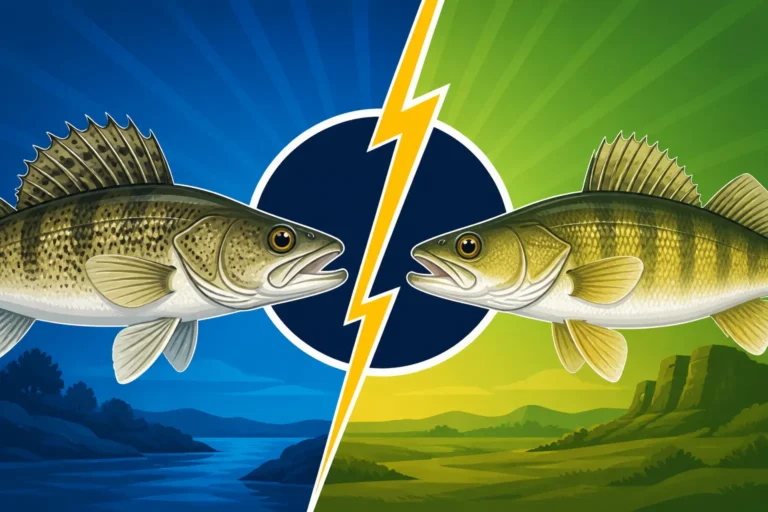
Milford Lake is renowned for its walleye fishery, drawing anglers from all over who crave the challenge and the delicious fillets these fish provide. These elusive predators love to hug the bottom, especially around rocky humps, points, and submerged structure. They're often most active during low light conditions – dawn, dusk, and even after dark. You'll find anglers patiently trolling crankbaits or bouncing jigs and bottom bouncers tipped with live bait like nightcrawlers or leeches in deeper water.
Catching a trophy walleye here is a serious accomplishment, and understanding their habits is key. During the spring spawn, they move shallower, often near rocky shorelines and river channels. As summer progresses, they retreat to deeper, cooler waters, often suspending over structure or lurking along ledges. Keep an eye on the regulations, as Kansas Walleye Length Limits are in place to help protect this valuable fishery, often focusing on a minimum length to ensure fish can spawn effectively before being harvested.
Catfish: Abundant and Diverse
Milford Lake is a true catfish paradise, boasting healthy populations of channel catfish, blue catfish, and flathead catfish. These powerful fish are incredibly popular, offering some of the most consistent action on the lake. Channel cats are the most widespread, found throughout the lake in various habitats, from shallow mud flats to rocky points, often biting on stink baits, cut bait, or even chicken livers. They are active year-round and provide excellent table fare.
Blue catfish are the big boys of Milford, capable of reaching truly impressive sizes. They prefer deeper, open water areas, often near old river channels or main lake points, and are best targeted with large chunks of fresh cut bait. Flathead catfish, on the other hand, are ambush predators that prefer live bait – think bluegill or shad – and tend to hang out in areas with heavy cover like submerged timber or rocky crevices. Night fishing for flatheads is particularly popular, offering an exciting challenge under the stars. For those wanting to learn more about these powerful fish, checking out the Kansas Catfish Species Guide can offer deeper insights.
Crappie: Panfish Paradise
If you love fast action and delicious fillets, Milford Lake's crappie fishery will not disappoint. Both white and black crappie thrive here, providing excellent fishing opportunities, especially in the spring and fall. These schooling fish love structure, whether it's submerged brush piles, standing timber, or the abundant rock structure scattered throughout the lake. Many anglers create their own brush piles, sinking cedar trees or other forms of cover to attract these popular panfish.
During the spring, crappie move into shallow coves and creek arms to spawn, often found around shoreline brush or docks. This is when they're most accessible to bank anglers. As the water warms, they move to deeper cover. Jigs (like tubes or curly tails) and live minnows are the go-to baits for crappie, often fished under a bobber or vertically jigged. Be sure to check Kansas Crappie Length and Bag Limits before you head out, as regulations help ensure sustainable populations. You can also explore Milford Lake Crappie Fishing for more specific tactics.
White Bass and Wipers: Action-Packed Angling
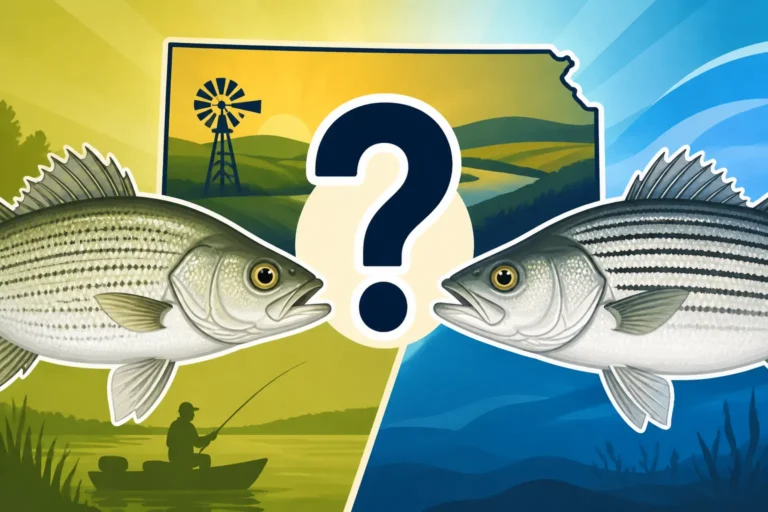
For sheer, non-stop action, it's hard to beat Milford Lake's white bass and wiper (hybrid striped bass) fishery. White bass are prolific, aggressive, and school in massive numbers, especially during their spring spawning run up the Republican River arm. This event, often called the Milford Lake White Bass Run, is legendary, attracting anglers who enjoy casting small spoons, spinners, or curly tail jigs into churning water. They're also active throughout the summer, often schooling on the surface in open water, chasing shad, making for exciting topwater action. Kansas White Bass Identification is useful for distinguishing them from wipers.
Wipers, a cross between white bass and striped bass, offer even more power and size. These hard-fighting hybrids grow large and strong, putting up an incredible battle on the line. They also follow schools of shad and can be found chasing bait on the surface or suspended in open water. Trolling deep-diving crankbaits or casting heavy spoons and swimbaits are effective tactics for targeting wipers. Both white bass and wipers are fantastic eating, providing excellent motivation for targeting these energetic fish. For those considering an extended stay, looking up Camping Near Milford Lake for Anglers might be a good idea, as these fish can be active throughout the day.
Largemouth and Smallmouth Bass: The Aggressive Biters
While Milford Lake might be more famous for its walleye and catfish, it also offers solid opportunities for both largemouth and smallmouth bass. Largemouth bass prefer the shallower, warmer, and often muddier waters of the lake's many creek arms, coves, and areas with submerged timber and vegetation. They are classic ambush predators, and targeting them with spinnerbaits, crankbaits, jigs, and soft plastics around cover is highly effective. The more extensive, woody cover in some of the lake's tributaries can hold some real bruisers.
Smallmouth bass, on the other hand, are lovers of clear, rocky environments. You'll find them around the main lake points, rocky shorelines, and riprap areas. They're known for their powerful fights and acrobatic jumps once hooked. Smallmouth often respond well to crankbaits, jerkbaits, and tube jigs fished along rocky bottoms. While perhaps not as abundant as in some dedicated bass lakes, Milford Lake offers a respectable challenge for bass anglers, especially for those who know where to look in its varied habitats. For precise tackle needs, browsing for options on Amazon can reveal a wide array of specialized bass lures.
Beyond the Big Bites: Panfish and Other Interesting Species
While the headline-grabbing game fish often get all the attention, Milford Lake's waters are teeming with many other fascinating and often overlooked species. These fish contribute significantly to the lake's ecological balance and can provide fantastic light-tackle fun, especially for families or anglers looking for a different kind of challenge. Don't underestimate the joy of a bent rod and a feisty fight from a lesser-known inhabitant!
Bluegill and Other Sunfish: Perfect for Family Fun
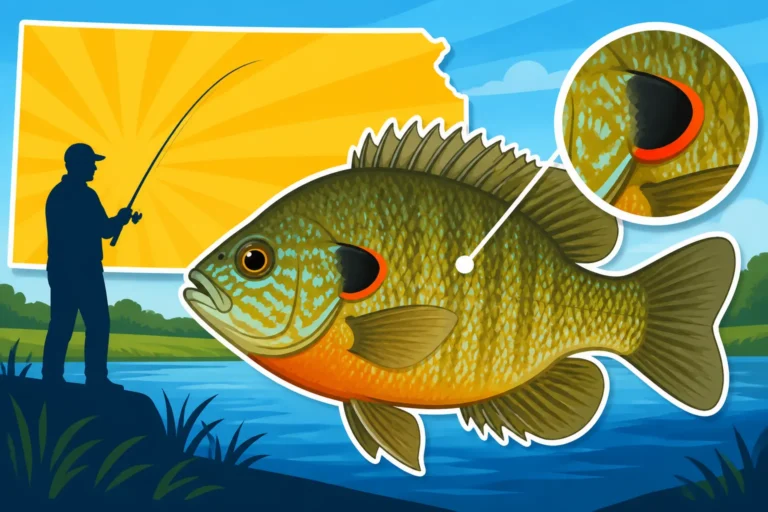
Bluegill are perhaps the most popular panfish in Milford Lake, and for good reason! They're abundant, relatively easy to catch, and provide fantastic fun for anglers of all ages, especially children. They congregate around docks, brush piles, lily pads, and other shallow-water cover, particularly in the warmer months. A simple setup with a small hook, a bobber, and live bait like a worm or cricket is often all it takes to catch a stringer full of these colorful sunfish.
Beyond bluegill, you might also encounter other sunfish varieties like green sunfish or redear sunfish, often found in similar habitats. While bluegill are the most common, these cousins offer similar opportunities for light-tackle sport. Many of these smaller species play a vital role in the food web, serving as forage for larger predators in the lake. For beginners, taking a look at Kansas Fishing Techniques for Beginners could offer a great starting point for tackling these easy-to-catch species.
Freshwater Drum: The Lake's Bottom Dwellers
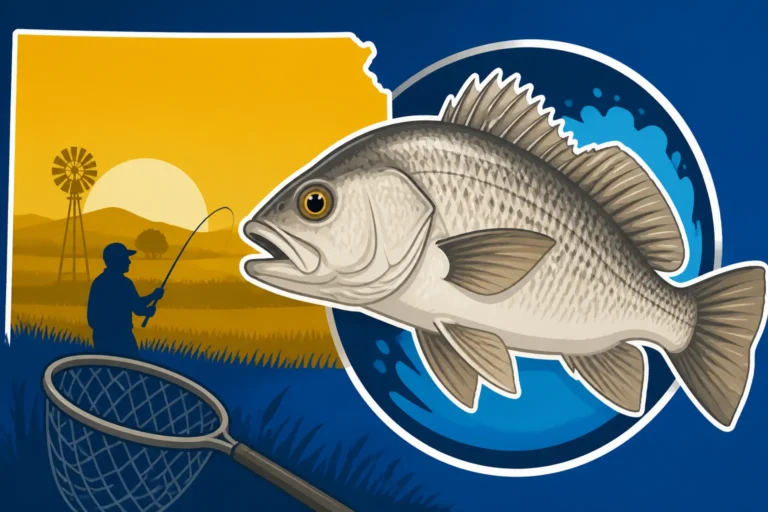
Often confused with carp due to their bottom-feeding habits, freshwater drum (also known as sheepshead) are a common and widespread species in Milford Lake. These fish are characterized by their deep bodies and silvery scales, and they can grow to a substantial size, offering a surprisingly strong fight. Drum are typically found over mud or gravel bottoms in deeper water, feeding on invertebrates like mussels, snails, and insect larvae.
They respond well to baits like nightcrawlers, cut bait, or even small jigs bounced along the bottom. While not typically targeted for their culinary qualities by most anglers, they are edible and can provide a fun, unexpected fight. They're a testament to the diverse aquatic life thriving beneath the surface of Milford Lake, often providing a pleasant surprise on an otherwise slow day for other species.
Gar and Bullhead Catfish: Unique Encounters
Milford Lake is also home to various species of gar, most commonly longnose gar and shortnose gar. These ancient-looking fish are unmistakable with their long, toothy snouts and armored bodies. They often cruise near the surface in shallow, weedy areas or along structure, especially in the warmer months. Gar are notoriously difficult to hook due to their bony mouths, but they put up a spectacular fight with powerful runs and aerial displays. Many anglers target them specifically for the challenge, often using frayed rope lures or specialized techniques.
Bullhead catfish, another species often overlooked, are smaller cousins to the channel and blue catfish. While they don't reach the same trophy sizes, they are incredibly hardy and abundant, particularly in shallower, muddier areas and backwater coves. They'll readily take worms, stink bait, or any small piece of cut bait. Bullheads are excellent for teaching kids how to fish, as they're almost always willing to bite, ensuring a memorable experience for young anglers. For those with a taste for adventure, a sturdy tackle box, perhaps one found on Amazon, could be useful for organizing specialized gear for these unique catches.
Responsible Angling and Conservation at Milford Lake
Milford Lake is a precious resource, and enjoying its abundant fish populations comes with the responsibility of ensuring its health for future generations. Adhering to regulations, practicing ethical angling, and being mindful of the lake's ecosystem are crucial aspects of any fishing trip. Every angler plays a role in conservation, whether through selective harvest or simply leaving the area cleaner than you found it.
Understanding and Following Regulations
Before you even cast a line, make sure you have the necessary permits. A valid Kansas Fishing License Guide is mandatory for most anglers, and understanding the specific rules for Milford Lake is vital. This includes knowing Kansas Fishing Seasons Guide, as well as length and creel limits for various species. These regulations are not arbitrary; they are carefully developed by wildlife biologists to manage fish populations, prevent overfishing, and maintain a healthy balance within the lake's ecosystem.
For instance, limits on the number and size of walleye or crappie you can keep directly impact their ability to reproduce and sustain their numbers. Ignorance of the rules is never an excuse, and game wardens regularly patrol the lake to ensure compliance. A quick check of the Kansas Department of Wildlife and Parks website before your trip can save you a lot of hassle and help protect the fishery.
Practicing Catch and Release Effectively
While many fish species in Milford Lake are excellent table fare, practicing catch and release, especially for larger breeding-size fish or species you don't intend to eat, is a cornerstone of responsible angling. When you do release a fish, handle it with care. Minimize its time out of the water, use wet hands to protect its slime coat, and avoid squeezing internal organs. Consider using circle hooks, especially for catfish, as they often result in hooks set in the corner of the mouth, reducing gut hooking and improving survival rates.
For species like trophy walleye or large bass, releasing them ensures they can continue to contribute to the gene pool and provide future angling opportunities. Taking a quick photo and then gently returning the fish to the water allows others to enjoy the thrill of catching a big one down the line. It's a small effort that has a huge impact on the long-term health of the fishery.
Protecting Milford Lake's Habitat
The health of Milford Lake's fish populations is directly tied to the health of its habitat. This means being mindful of what you leave behind. Always pack out all your trash, including fishing line, bait containers, and food wrappers. Monofilament line, in particular, can be deadly to wildlife if left in the water or on shore. Avoid disturbing nesting areas during spawning seasons, and be conscious of aquatic vegetation, which provides critical cover and food for many species.
Additionally, preventing the spread of aquatic invasive species is paramount. Always clean, drain, and dry your boat, trailer, and fishing gear thoroughly after each outing. Invasive species like zebra mussels can wreak havoc on an ecosystem, altering the food chain and impacting native fish. By taking these simple steps, you're not just being a good angler; you're being a good steward of one of Kansas's most cherished natural resources.
| Fish Species | Average Size (Milford Lake) | Preferred Habitat (Milford Lake) | Best Season for Activity | Common Lures/Baits |
|---|---|---|---|---|
| Walleye | 15-22 inches (can exceed 30) | Rocky points, humps, old river channels | Spring, Fall, Summer nights | Jigs, crankbaits, bottom bouncers, live minnows, nightcrawlers |
| Channel Catfish | 1-5 lbs (can exceed 15) | Throughout, coves, river arms, mud flats | Spring, Summer, Fall | Cut bait, stink bait, worms, chicken liver |
| Blue Catfish | 5-20 lbs (can exceed 50) | Deep river channels, main lake points | Spring, Summer, Fall | Large cut bait (shad) |
| Flathead Catfish | 5-30 lbs (can exceed 60+) | Heavy timber, rocky crevices, snags | Summer nights, Fall | Live bait (bluegill, shad) |
| White Crappie | 8-12 inches (can exceed 15) | Brush piles, submerged timber, coves | Spring, Fall | Small jigs, live minnows |
| Black Crappie | 8-12 inches (can exceed 15) | Brush piles, submerged timber, coves | Spring, Fall | Small jigs, live minnows |
| White Bass | 10-14 inches (can exceed 2 lbs) | Open water, river arm, main lake | Spring (run), Summer | Spoons, spinners, small crankbaits, jigs |
| Wiper (Hybrid Striper) | 15-25 inches (can exceed 10 lbs) | Open water, main lake, chasing shad | Spring, Summer, Fall | Heavy spoons, swimbaits, large crankbaits |
| Largemouth Bass | 1-4 lbs (can exceed 7) | Shallow coves, timber, vegetation | Spring, Summer | Spinnerbaits, jigs, plastics, crankbaits |
| Smallmouth Bass | 1-3 lbs (can exceed 5) | Rocky main lake points, riprap | Spring, Summer | Crankbaits, jerkbaits, tube jigs |
| Bluegill | 6-9 inches | Shallow cover, docks, brush | Spring, Summer | Worms, crickets, small jigs |
| Freshwater Drum | 1-5 lbs (can exceed 10) | Deep mud/gravel bottoms, open water | Spring, Summer, Fall | Worms, cut bait |
Disclaimer
This article is for general informational purposes only and does not constitute professional advice. Laws, prices and regulations vary by location and change over time. Consult a qualified professional for guidance on your specific situation.