Best Boat Ramps on Kansas Reservoirs
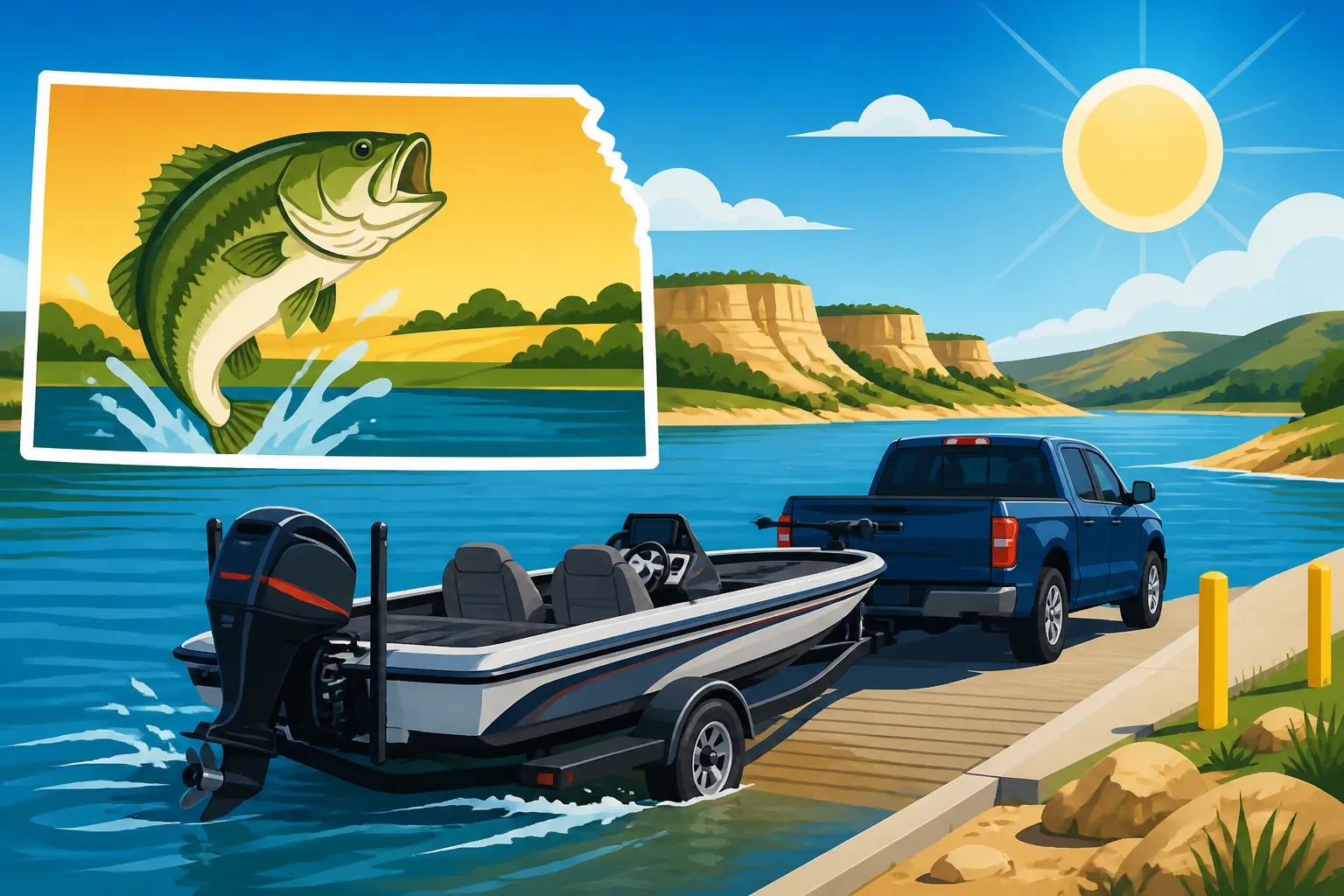
Oh, the quest for the perfect boat ramp in Kansas! It’s a struggle many of us anglers know all too well. You've got your boat hitched up, tackle box loaded, and a full tank of gas, only to arrive at a ramp that's either too shallow, too crowded, or just plain tricky to navigate. This guide is all about cutting through that frustration, offering a deep dive into some of the best and most reliable boat ramps across our fantastic Kansas reservoirs, helping you launch smoothly and get to the fish faster.
The Importance of a Good Boat Ramp on Kansas Reservoirs
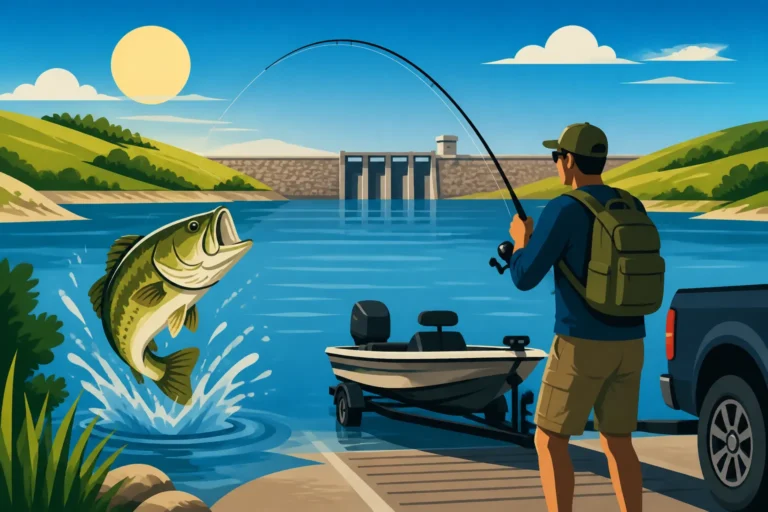
Before we even talk about specific locations, let’s be real for a moment: the quality of your launch can make or break your fishing day. There’s nothing worse than backing up a long distance, only to find the ramp is too steep, too slick with algae, or the water level is so low your prop hits the bottom before your boat floats free. Kansas reservoirs, with their fluctuating water levels and diverse shorelines, present unique challenges. A well-maintained, easily accessible boat ramp isn't just a convenience; it's a necessity for a stress-free start to your angling adventure.
Navigating Different Water Levels
Kansas reservoirs are, by their very nature, flood control projects. This means their water levels can fluctuate significantly throughout the year, especially after heavy rains in the spring or during dry spells in late summer and fall. What was a perfectly good, deep ramp in May might be a mud flat or an impassable obstacle in August. It’s crucial to check current lake levels before you head out. Websites for the Kansas Department of Wildlife, Parks and Tourism (KDWPT) or the U.S. Army Corps of Engineers often provide this data. Don't rely on memory from last season; those conditions can change overnight! Some ramps are designed with longer concrete sections to accommodate lower levels, while others become unusable much quicker.
Avoiding Congestion and Bottlenecks
Picture this: it’s a beautiful Saturday morning, the fish are biting, and everyone else in Kansas has the same idea as you. You arrive at the ramp only to find a line of boats stretching back to the parking lot. Congestion is a real problem, particularly at popular ramps on major holidays or during peak fishing seasons. Knowing which ramps are larger, have more lanes, or offer more parking can save you a ton of headache. Sometimes, a slightly less convenient ramp on the same lake can provide a much smoother experience. Planning your trip for off-peak hours, if possible, can also make a huge difference. If you're looking to hit the water when it's less crowded, considering a weekday trip can often be a game-changer.
Milford Lake: Unrivaled Access to Kansas' Largest Lake
Milford Lake, often touted as the "Fishing Capital of Kansas," is our largest reservoir, and with that title comes a variety of boat ramps designed to handle its immense size and popularity. Located near Junction City and Manhattan, it's a massive body of water, meaning you’ll find ramps suited for everything from small jon boats to large offshore-style fishing vessels.
Milford State Park Ramps
The ramps within Milford State Park are arguably the most popular and well-maintained on the entire lake. You’ll find multiple lanes, ample paved parking, and usually deep water, even during moderate drawdowns. The North Access and South Access areas, particularly, offer excellent facilities. The concrete extends far enough into the water that most boats can launch without a hitch, and the wide turnaround areas make maneuvering a breeze. You’ll often find clean restrooms and even fish cleaning stations nearby, which is a huge plus after a successful day on the water. These ramps are perfect for those targeting walleye, crappie, or giant catfish. Remember to have your Kansas State Park Vehicle Permit Rules in mind when accessing these areas.
However, precisely because they are so good, these ramps can get incredibly busy, especially on weekends and during the famous white bass run in the spring. If you're launching a larger boat or simply prefer a bit more elbow room, consider arriving early. You can often find a fishing guide service on FishingBooker that might use these ramps and can offer current conditions and tips. For an in-depth look at this fantastic fishery, check out our Milford Lake Fishing Guide.
Farnum Creek and Curtis Creek Ramps
For those who want to explore different arms of Milford Lake or avoid the main state park crowds, Farnum Creek and Curtis Creek offer viable alternatives. The Farnum Creek ramp, located on the western side of the lake, provides good access to the upper reaches of the reservoir, known for excellent channel catfishing and crappie fishing in the spring. It's generally less crowded than the state park ramps, though the facilities might be a bit more rustic.
Curtis Creek, on the other hand, is closer to the dam and offers access to deeper water, making it a good choice for targeting walleye or striped bass. While still good, these ramps might not always have the same extensive concrete and parking as the main state park areas, so a little reconnaissance before you go, especially if you have a larger boat or are launching at odd hours, is always a smart move. When planning your trip, consider what gear you’ll need; our Best Boats for Kansas Reservoirs guide might offer some helpful insights.
Cheney Reservoir: Mastering the Winds of the Prairie
Cheney Reservoir, located west of Wichita, is famous for its excellent walleye and wiper fishing, but it's equally notorious for its winds. Choosing the right boat ramp here can significantly impact your launch experience, especially on blustery days.
West Shore Ramps
Many local anglers swear by the West Shore ramps at Cheney, particularly the Kingman County Park ramps or the West Boat Ramp at the Cheney State Park Sailboat Cove. These ramps tend to offer a bit more shelter from the prevailing southerly or westerly winds that often howl across the prairie. This can make launching and retrieving much safer and less stressful, preventing your boat from getting slammed against the dock or pushing you sideways into shallow water. The water depths at these ramps are generally good, and the parking is sufficient.
Accessing these ramps also places you strategically for some of the reservoir’s best fishing grounds for walleye and wiper. They are generally well-maintained, providing a reliable concrete launch. If you're thinking about targeting walleye here, our Cheney Reservoir Fishing Guide has some excellent tips. Even if you're not planning to use a full boat, these areas can also offer Best Bank Fishing Spots at Cheney Reservoir for those who prefer shore angling.
East Shore Ramps and Marina Access
The East Shore of Cheney Reservoir, while beautiful, can be a challenging place to launch a boat on windy days. Ramps like the East Boat Ramp, though well-maintained, are very exposed to strong westerly winds. This can make backing down the ramp and holding your boat steady a real challenge. However, if the winds are calm, or if they are blowing from the east (a less common but not unheard-of occurrence), these ramps offer direct access to the main body of the lake and are often less crowded than the west side.
The Cheney State Park Marina also offers launch facilities, sometimes with the added convenience of fuel and supplies. While marinas typically cater to larger boats, smaller craft and kayaks can often find good access here too. If you’re looking to find a fishing charter on FishingBooker for a guided trip on Cheney, they might launch from one of these more protected or fully serviced locations, especially if the weather is iffy.
Wilson Lake: The Clearest Waters, Steepest Ramps
Wilson Lake, often called "Kansas' Clearest Lake," is a stunning reservoir known for its striped bass, smallmouth bass, and walleye fishing. However, its rugged, rocky shoreline and deep, clear waters mean that some of its boat ramps can be quite steep.
Lucas Park and Hell Creek Ramps
Lucas Park, on the south side of Wilson Lake, offers some of the most popular and reliable boat ramps. These ramps are typically deep and well-maintained, with good concrete pads that extend well into the water. The parking areas are usually paved and spacious. However, be prepared for some steep inclines, both on the ramps themselves and the approach roads. This isn't necessarily a bad thing, as it means good depth for launching, but it requires a careful hand on the throttle and good trailer brakes. Lucas Park is a fantastic starting point for exploring the main body of the lake or targeting the rocky points and humps that hold smallmouth and stripers.
Hell Creek, located on the north side, offers another excellent set of ramps. These are also generally deep and well-maintained, providing access to a different part of the lake, often favored by those targeting walleye or seeking out the numerous coves and inlets. Like Lucas Park, these ramps can be steep, so proper boat trailer technique is key. For more details on fishing this challenging yet rewarding lake, check out our comprehensive Wilson Lake Fishing Guide. You can also find additional information on specific launch points through resources like Public Boat Ramps at Wilson Lake.
Minooka Park and Cedar Ridge Ramps
Minooka Park and Cedar Ridge, also on the north side of Wilson Lake, provide further options for anglers. Minooka Park offers solid ramps and typically good water depth. It’s a bit further west than Hell Creek, which can be advantageous for accessing the western reaches of the lake. Cedar Ridge is another well-regarded access point, often used by those who frequent that particular section of the reservoir.
When using any of Wilson’s ramps, always double-check your trailer lights and tires, as some of the roads leading to these ramps can be a bit rough. Having a good set of Best Boat Ramps and Trailer Tips in Kansas handy can save you a lot of grief. The clear water here means fish can be spooky, so early morning or late evening launches often coincide with the best fishing times.
Tuttle Creek Lake: The Mighty River and Reservoir Blend
Tuttle Creek Lake, near Manhattan, is unique among Kansas reservoirs as it’s largely river-fed by the Big Blue and Little Blue rivers, giving it a more turbid, riverine character compared to the clearer waters of Wilson or Cheney. This impacts fishing, and also boat ramp conditions, especially during high water events or after heavy rains.
Tuttle Creek State Park Ramps
Within Tuttle Creek State Park, you’ll find some of the most reliable access points. The Fancy Creek Area and River Pond Area ramps are excellent choices. Fancy Creek offers several concrete ramps with good parking and generally sufficient depth. This area gives you great access to both the main body of the lake and the more river-like sections further north, which are prime for catfish and crappie. The River Pond Area, while technically a separate pond, offers a calm launching environment that’s great for smaller boats or kayaks, especially on very windy days on the main lake. It also serves as an access point to the main lake through a channel.
These state park ramps, like those at Milford, are well-maintained and typically have good facilities. However, because of the lake's river influence, water levels can fluctuate dramatically. It's always a good idea to check conditions before heading out, especially if there have been recent heavy rains upstream. Exploring the lake’s diverse fishing opportunities is easy from these spots; for more details, refer to our Tuttle Creek Lake Fishing Guide. If you're planning to chase channel cats or flatheads, our Tuttle Creek Lake Catfish Fishing guide will be invaluable.
Carnahan Creek and Other Northern Ramps
Further north on Tuttle Creek, you’ll find ramps like Carnahan Creek. These ramps offer access to the upper reaches of the reservoir and the areas where the Big Blue River flows in. These spots can be fantastic for catfishing, particularly during periods of higher flow, and crappie in the flooded timber. The ramps here might be a bit more basic than the state park facilities, sometimes offering gravel rather than concrete, and parking might be less extensive. They are, however, often less crowded and provide a different fishing experience, letting you get closer to the river environment.
When navigating these areas, especially during higher water, be aware of submerged timber and debris. Safety is paramount, and understanding Kansas Boating Safety Equipment Requirements is crucial for all anglers, especially on a dynamic body of water like Tuttle Creek. For those interested in river fishing generally, our Kansas River Fishing Guide offers broader context on what to expect.
El Dorado Lake: A Diverse Fishery with Accessible Ramps
El Dorado Lake, situated northeast of Wichita, is a popular destination known for its excellent bass fishing, striped bass, crappie, and walleye. Its ramps are generally well-designed to accommodate a variety of boats and anglers, with good infrastructure around the state park areas.
El Dorado State Park Ramps
The ramps within El Dorado State Park are some of the best-equipped and most accessible on the lake. The Walnut River Area and Bluestem Point Area both offer multiple lane concrete ramps, extensive paved parking, and usually good water depth. The Walnut River ramp, in particular, is a favorite for many anglers due to its easy access and proximity to excellent fishing spots. These ramps are well-suited for all types of fishing boats, from bass boats to pontoon boats.
You'll often find amenities like restrooms, picnic areas, and sometimes even fish cleaning stations nearby, making for a comfortable day on the water. These areas are excellent starting points whether you're targeting largemouth bass in the standing timber or chasing wipers in the open water. Our El Dorado Lake Bass Fishing guide provides specific tactics for the area, and for those specifically after stripers, the El Dorado Lake Striped Bass Fishing resource is a must-read.
Boulder Bluff and Other Coves
Beyond the main state park areas, ramps like Boulder Bluff also provide good access. Boulder Bluff is located on the eastern side of the lake and offers another reliable concrete ramp with decent parking. It’s a bit more exposed to westerly winds than some of the more sheltered coves, but it typically offers good water depth and quick access to fishing areas.
El Dorado Lake also boasts numerous smaller coves and points that can be accessed from these main ramps, providing endless opportunities for exploration. If you’re a kayak angler, many of these ramps are perfectly suited for launching a kayak as well, and you might find our Kansas Kayak Fishing Gear Guide helpful for maximizing your setup.
Best Boat Ramps on Kansas Reservoirs Comparison Table
To help you quickly compare some of these excellent access points, here’s a handy table summarizing their key features and considerations.
| Reservoir | Area / Ramp Name | Key Features | Primary Species (Typical) | Potential Challenge | Recommended Boat Types |
|---|---|---|---|---|---|
| Milford Lake | Milford State Park (North/South) | Multiple concrete lanes, extensive paved parking, amenities | Walleye, Crappie, White Bass, Catfish | Can be very crowded, especially on weekends | All boat types |
| Milford Lake | Farnum Creek | Concrete ramp, good access to upper lake, less crowded | Catfish, Crappie, White Bass | Limited amenities, can be affected by low water | Smaller boats, multi-species boats |
| Cheney Reservoir | West Shore Ramps (Kingman Co. Park) | Concrete ramps, often sheltered from westerly winds, good parking | Walleye, Wiper, Crappie | Can be rough with strong easterly winds | All boat types, especially those with good rough water handling |
| Cheney Reservoir | East Shore Ramps | Concrete ramps, direct access to open water | Walleye, Wiper | Very exposed to prevailing westerly winds | All boat types, but can be challenging in wind |
| Wilson Lake | Lucas Park | Deep concrete ramps, paved parking, good access to main lake | Striped Bass, Smallmouth Bass, Walleye | Steep ramps, can be busy | Larger boats, bass boats, deep-V |
| Wilson Lake | Hell Creek | Deep concrete ramps, good access to north side, scenic | Walleye, Striped Bass, Smallmouth Bass | Steep ramps, can be busy | Larger boats, bass boats, deep-V |
| Tuttle Creek Lake | Fancy Creek (State Park) | Concrete ramps, good access to lake and river sections, amenities | Catfish, Crappie, White Bass, Walleye | Water levels can fluctuate significantly | All boat types, particularly those for river fishing |
| Tuttle Creek Lake | Carnahan Creek | Concrete/gravel ramp, access to upper riverine section | Catfish, Crappie | More rustic, can be affected by water levels | Smaller boats, jon boats |
| El Dorado Lake | Walnut River (State Park) | Multiple concrete lanes, extensive paved parking, amenities | Largemouth Bass, Striped Bass, Crappie, Walleye | Can get crowded, especially bass tournament days | All boat types |
| El Dorado Lake | Boulder Bluff | Concrete ramp, decent parking, access to eastern lake | Largemouth Bass, Crappie | Exposed to winds, fewer amenities | All boat types |
Essential Tips for Launching and Retrieving Your Boat
Even with the best boat ramps, there’s an art to launching and retrieving your boat efficiently and safely. A little preparation goes a long way, not just for your own peace of mind but also out of courtesy to other anglers waiting to use the ramp.
Pre-Launch Preparation
Before you even get to the water's edge, do your homework in the staging area. This means removing your boat cover, attaching your bow and stern lines, installing your drain plug (this is crucial and often forgotten!), securing all your gear, and testing your trolling motor or electronics. If you’re using live bait, make sure your livewell is ready to fill. Having everything squared away before you back down the ramp saves precious minutes and avoids holding up the line. Think about it: nobody wants to be "that person" fumbling around while a dozen other boats are waiting behind them.
It's also a great time to ensure your Kansas Boat Registration Guide documents are in order and easily accessible, just in case a KDWPT officer checks during your outing. This proactive approach ensures a smooth transition from land to water.
Master the Back-Up
Backing a boat trailer can be intimidating, especially for beginners or in crowded conditions. The key is slow and steady. Small adjustments to your steering wheel will have a big impact on the trailer's direction. Practice in an empty parking lot if you're new to it. Remember, when backing, turn the steering wheel in the opposite direction you want the trailer to go. Once the boat is in the water and floating, it's time to smoothly detach, park your vehicle and trailer, and head out to those prime Kansas Fishing Seasons Guide spots!
And don't forget to consider a fishing guide from FishingBooker for a stress-free day. They'll handle all the launching and retrieving, letting you focus purely on the fishing. Plus, they know all the best spots and techniques.
Disclaimer
The information provided in this guide is for general informational purposes only and is subject to change. Water levels, ramp conditions, and regulations can vary. Always check current conditions with the Kansas Department of Wildlife, Parks and Tourism or the U.S. Army Corps of Engineers before planning your trip. Practice safe boating and always wear a life jacket.